
Understanding Your Metabolism: How Nutrition Affects Energy Use
[post_date]
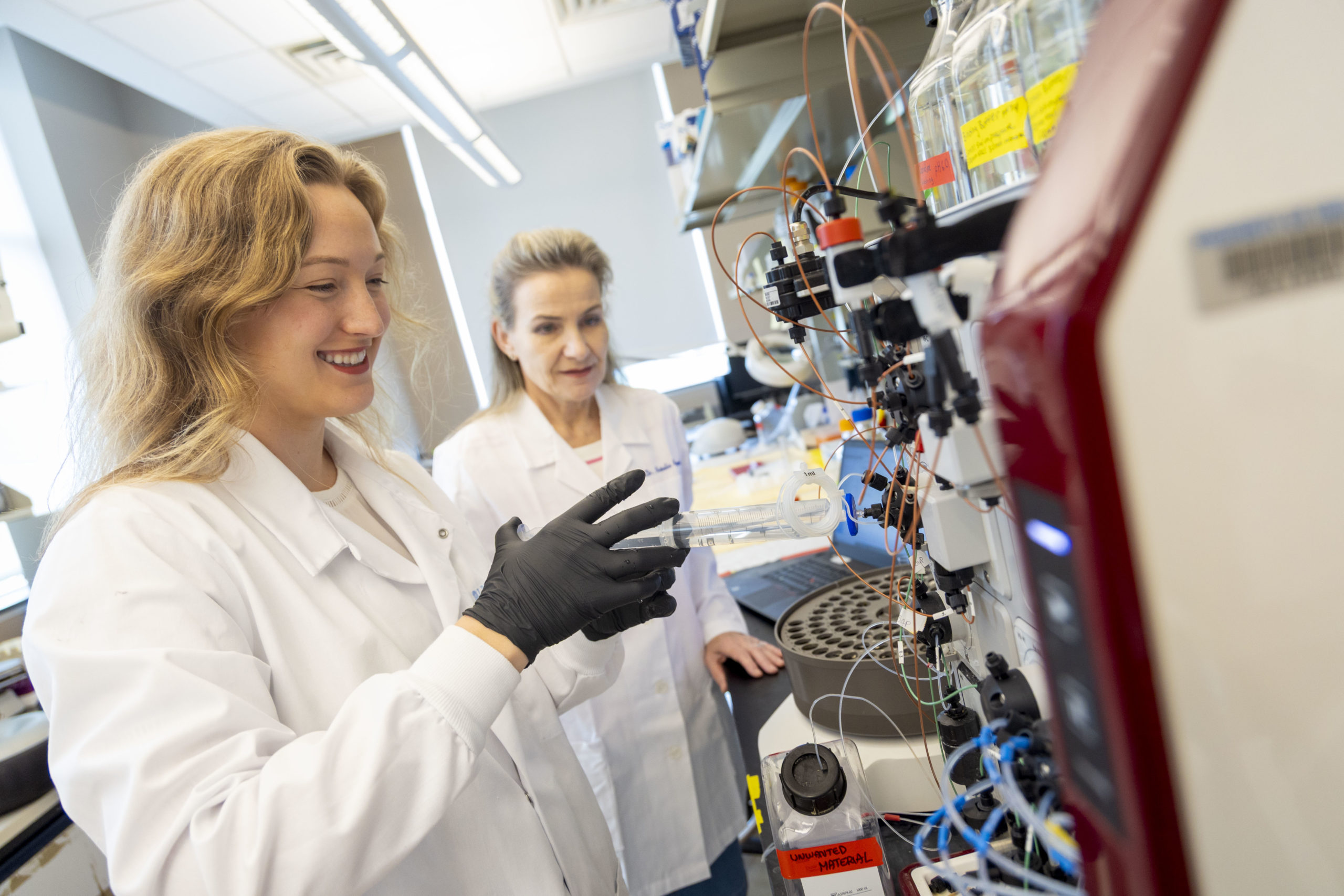
Blake Rushing, PhD, is an Assistant Professor at the University of North Carolina at Chapel Hill’s Nutrition Research Institute (NRI), where his lab applies multi-omics approaches to investigate the metabolic mechanisms underlying cancer and other chronic, age-related diseases.
As summer winds down and routines fall back into place, it’s the perfect time to reset your approach to nutrition and wellness. Good news: we've got simple science to help you start strong.
Join us for a free virtual Appetite for Life event at 12:00 PM on Wednesday, August 20, featuring Blake Rushing, PhD, Assistant Professor of Nutrition at UNC Chapel Hill and researcher at the UNC Nutrition Research Institute.
In this practical and easy-to-understand session, Rushing will explore:
- What is metabolism, really – and why does it matter for your everyday energy?
- How does your body burn energy throughout the day?
- Why do certain foods leave you feeling full and energized, while others leave you crashing?
- What are scientists at the NRI learning about metabolism that could change the way we eat?
You’ll leave with simple, science-backed knowledge about how your body uses energy and how simple nutrition choices can help you feel your best.
Dig Deeper
💡 This glowing effect helps scientists visually confirm when two specific proteins interact inside a living cell—bringing abstract molecular activity to light.
Figure A: Depiction of the Bimolecular Fluorescence Complementation mechanism used to visualize the interaction between p53 and the lipid molecule, CerS6.
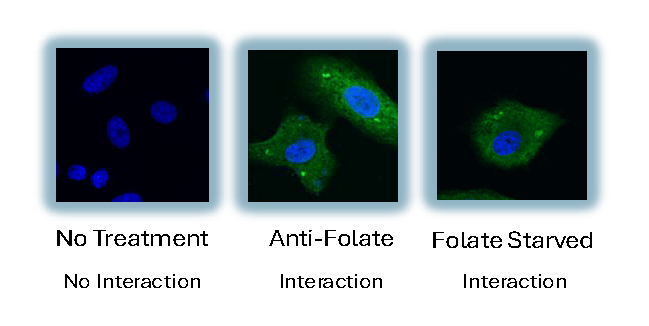
Figure B: Visualization of real fluorescent interactions under different treatment conditions.
Images provided by UNC NRI N. Krupenko Lab.
Figure A
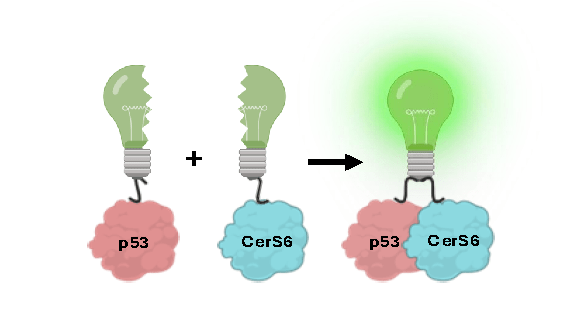
Figure B
Share on Socials
Inspired
By What You Read?
NRI scientists are discovering how genes, environment, and microbiome affect our individual requirements for nutrients so that, soon, medical practitioners will be able to guide people in their health from childhood through old age without adding to these tragic numbers. Our critical research depends on the generosity of people like you.