
Cyclospora and Fresh Produce: What You Need to Know
August 14, 2026
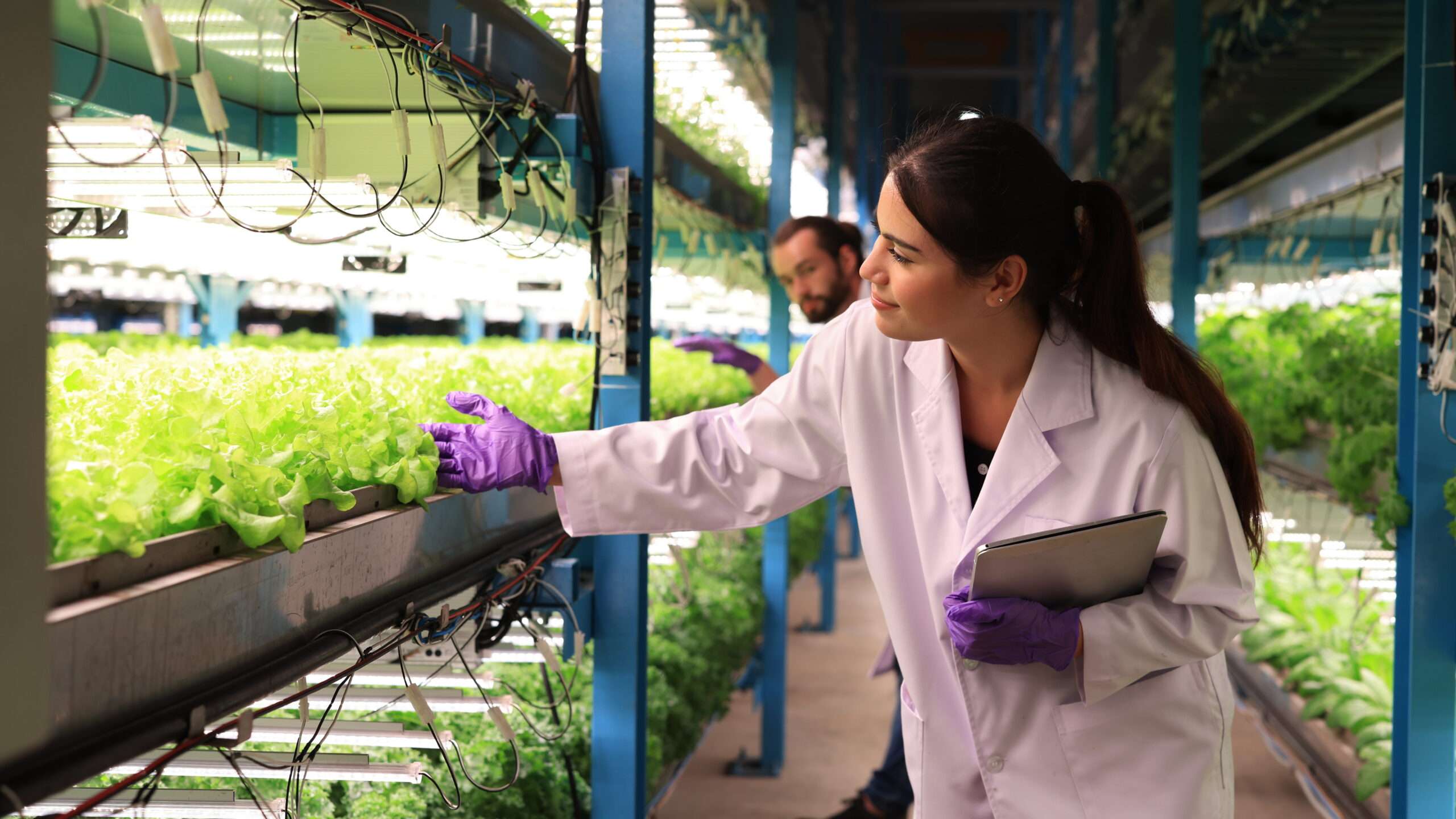
Cyclospora is a microscopic parasite that can contaminate food or water and cause a gastrointestinal illness called cyclosporiasis. Often linked to fresh produce, the infection can lead to prolonged diarrhea, stomach cramps, nausea, and fatigue. Learn what scientists know about Cyclospora, how infections occur, and the steps you can take to reduce your risk.
Should you eat the lettuce?
The short answer: absolutely, yes.
News of a foodborne illness outbreak can make even the most devoted salad eater hesitate. However, avoiding fresh produce altogether would mean missing out on foods that provide essential vitamins, minerals, fiber, and beneficial plant compounds.
Fruits and vegetables support digestion, heart health, immune function, and healthy weight management. Rather than eliminating produce when concerns arise, consumers can make informed choices about what they buy, where it comes from, and how they prepare it.
Fresh Produce at a Glance
- Bananas, sweet potatoes, spinach, and cantaloupe provide potassium, while many fruits and vegetables contribute fiber that supports heart health.
- Artichokes, broccoli, raspberries, and apples provide fiber that supports digestion, helps prevent constipation, and nourishes beneficial gut bacteria.
- Blueberries, cabbage, kale, and tomatoes contain antioxidants and other plant compounds that help protect cells from damage.
- Mangoes, carrots, and red bell peppers provide vitamins A and C, which support immune function and other essential processes throughout the body.
- Many fruits and vegetables are naturally low in calories and high in water and fiber, helping meals feel filling and satisfying.
Look Closer to Home
A recent Cyclospora outbreak linked to certain recalled iceberg lettuce has raised questions about fresh produce. Consumers should avoid products included in an active recall, but the outbreak does not mean that all lettuce—or all fresh produce—is unsafe.
It can also be an opportunity to explore produce grown closer to home.
Farmers markets, roadside stands, community-supported agriculture programs, and local farms offer fresh, seasonal foods while helping consumers connect with the people who grow them. When you buy directly from a farmer, you may be able to ask where the produce was grown, when it was harvested, and how it should be stored or prepared.
Local produce often travels a shorter distance from the field to the consumer. It may be harvested closer to peak ripeness, and local growers can offer varieties selected for flavor rather than their ability to withstand long transportation and storage.
Shopping locally also keeps more food dollars within the community, supports nearby farms and small businesses, and helps strengthen the regional food system. Farmers markets can become gathering places where families discover unfamiliar fruits and vegetables, learn what is in season, and develop a stronger connection to their food.
“Local” does not automatically mean risk-free, however. Fresh produce can become contaminated at different points between the farm and the table, regardless of where it was grown. Consumers should continue to follow recall notices and practice safe food handling.
- Before eating or preparing produce:
- Wash your hands with soap and water.
- Rinse fruits and vegetables thoroughly under clean, running water.
- Scrub firm produce, such as melons and cucumbers, with a clean produce brush.
- Remove bruised or damaged portions.
- Refrigerate cut, peeled, or cooked produce within two hours.
Washing produce can reduce dirt and some contaminants, although routine washing and sanitizing may not completely remove Cyclospora. Avoiding products identified in an active recall remains important.
Fresh produce remains an essential part of a nutritious diet. By paying attention to recalls, handling food safely, and getting to know local growers, you can continue filling your plate with fruits and vegetables with greater confidence.
Use the USDA Local Food Directories to find farmers markets, community-supported agriculture programs, and local food sources near you.
Share on Socials
Inspired By What You Read?
NRI scientists are discovering how genes, environment, and microbiome affect our individual requirements for nutrients so that, soon, medical practitioners will be able to guide people in their health from childhood through old age without adding to these tragic numbers. Our critical research depends on the generosity of people like you.