
AN ESSENTIAL NUTRIENT • VITAMIN B9
FOLATE
Folate helps your body to make DNA, regulate genes and divide cells – it matters every day. During pregnancy, these processes are especially important as a baby develops.
START WITH THE BASICS
What is folate?
Folate is the natural form of vitamin B9 found in food. Folic acid is the synthetic form added to fortified foods and used in most supplements. It is best known for preventing serious brain and spine birth defects during early pregnancy, known as neural tube defects. Folate is also important for red blood cells and vascular health.
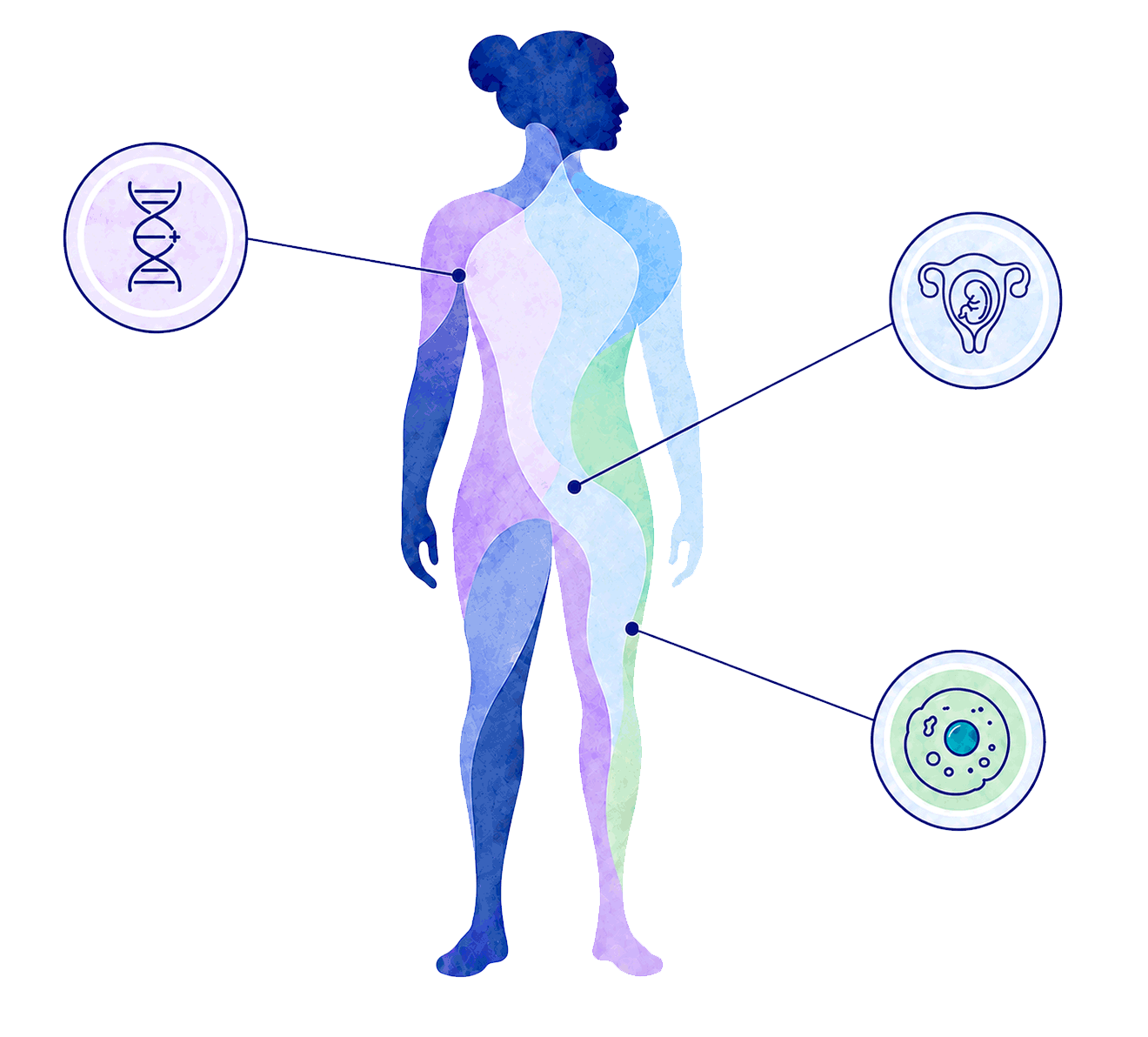
Builds DNA
Needed to make and repair DNA, the instruction manual inside every cell.

Makes New Cells
Supports rapid cell division, including red blood cell production.

Supports development
Helps the neural tube develop early in pregnancy, often before pregnancy is known.

Folate vs. Folic Acid
DAILY NEEDS
How much folate do you need?
Amounts use dietary folate equivalents (DFE), which account for absorption differences.
Adults 19+
400 mcg DFE
Pregnancy
600 mcg DFE
Breastfeeding
500 mcg DFE
Folate Facts
- Leafy greens and legumes naturally contain folate. Enriched grain foods often contain added folic acid.
- Folate assists in building key brain chemical messengers like serotonin, dopamine, and norepinephrine.
- Folate helps to maintain glutathione, the primary antioxidant that neutralizes systemic inflammation and defends brain cells from oxidative stress during periods of heavy emotional anxiety.
Folate-Rich Foods
Compare the folate in common foods with the recommended Daily Value.
Spinach
½ cup cooked
131 mcg DFE
33%
Black-eyed peas
½ cup cooked
105 mcg DFE
26%
Asparagus
4 spears cooked
89 mcg DFE
22%
Brussels sprouts
½ cup cooked
78 mcg DFE
20%
Avocado
½ cup
59 mcg DFE
15%
Approximate values. Daily Value is based on 400 mcg DFE. Source: NIH Office of Dietary Supplements.
ESSENTIAL QUESTIONS
Folate Q&A
Straightforward answers about daily needs, food sources, safety, and the role folate plays in your health.
Why is folic acid important for pregnancy?
Folate supports DNA production and rapid cell division, which are especially important as a baby develops. Folic acid is best known for helping prevent serious brain and spine birth defects called neural tube defects, and the neural tube develops very early in pregnancy, often before someone knows they are pregnant.
Should I take it if I am not planning a pregnancy?
Yes, health experts recommend it for all people of childbearing age because many pregnancies are unplanned. Always talk with a healthcare professional before taking a high-dose supplement.
What is a neural tube defect?
A neural tube defect is a serious birth defect of the brain or spine that develops very early in pregnancy. Folic acid can help reduce the risk of these defects when taken before and during early pregnancy.
Can I get enough from food alone?
Individual needs vary, so some people may need a supplement to meet recommended amounts. Please consult a physician to find your unique needs.
Which foods are fortified with folic acid?
Enriched grain foods and fortified cereals are common sources.
Which foods contain natural folate?
Natural folate is found in foods such as leafy greens, beans, asparagus, Brussels sprouts, liver, spinach, black-eyed peas, and avocado.
Can you take too much folic acid?
Yes. For adults, the upper limit is 1,000 mcg per day from supplements and fortified foods. This limit does not include folate naturally present in food. High supplemental doses may hide signs of vitamin B12 deficiency, allow related nerve damage to continue, and interact with methotrexate and certain antiseizure medications.
MEET THE EXPERTS
NRI Researchers

Sergey A. Krupenko, PhD
Professor of Nutrition
Dr. Sergey Krupenko, PhD, is a professor and researcher at the UNC Nutrition Research Institute. His work explores folate’s role in liver health and cancer, with a focus on how diet and nutrient supplementation may help prevent or slow tumor development. He holds a PhD in Biochemistry and joined UNC in 2014.

Natalia Krupenko, PhD
Associate Professor of Nutrition
Dr. Natalia Krupenko, PhD, is an associate professor and researcher at the UNC Nutrition Research Institute. Her work examines folate’s role in promoting health and preventing conditions such as neural tube defects, cardiovascular disease, and cancer. She studies how to maximize folate’s protective benefits while reducing the potential risks of excessive supplementation.
WHAT THE SCIENCE SAYS
Insights from the NRI
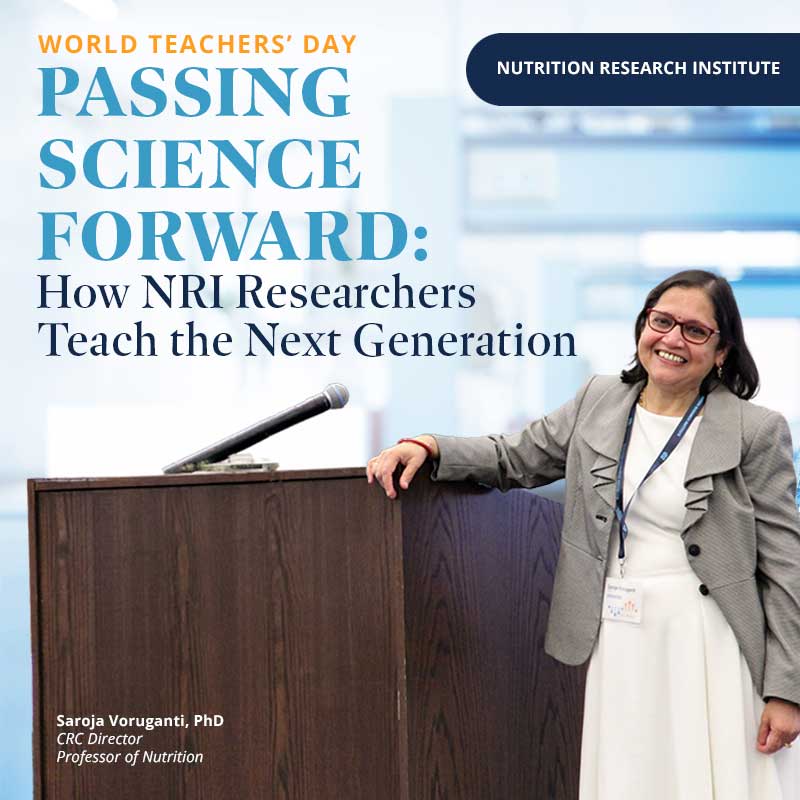
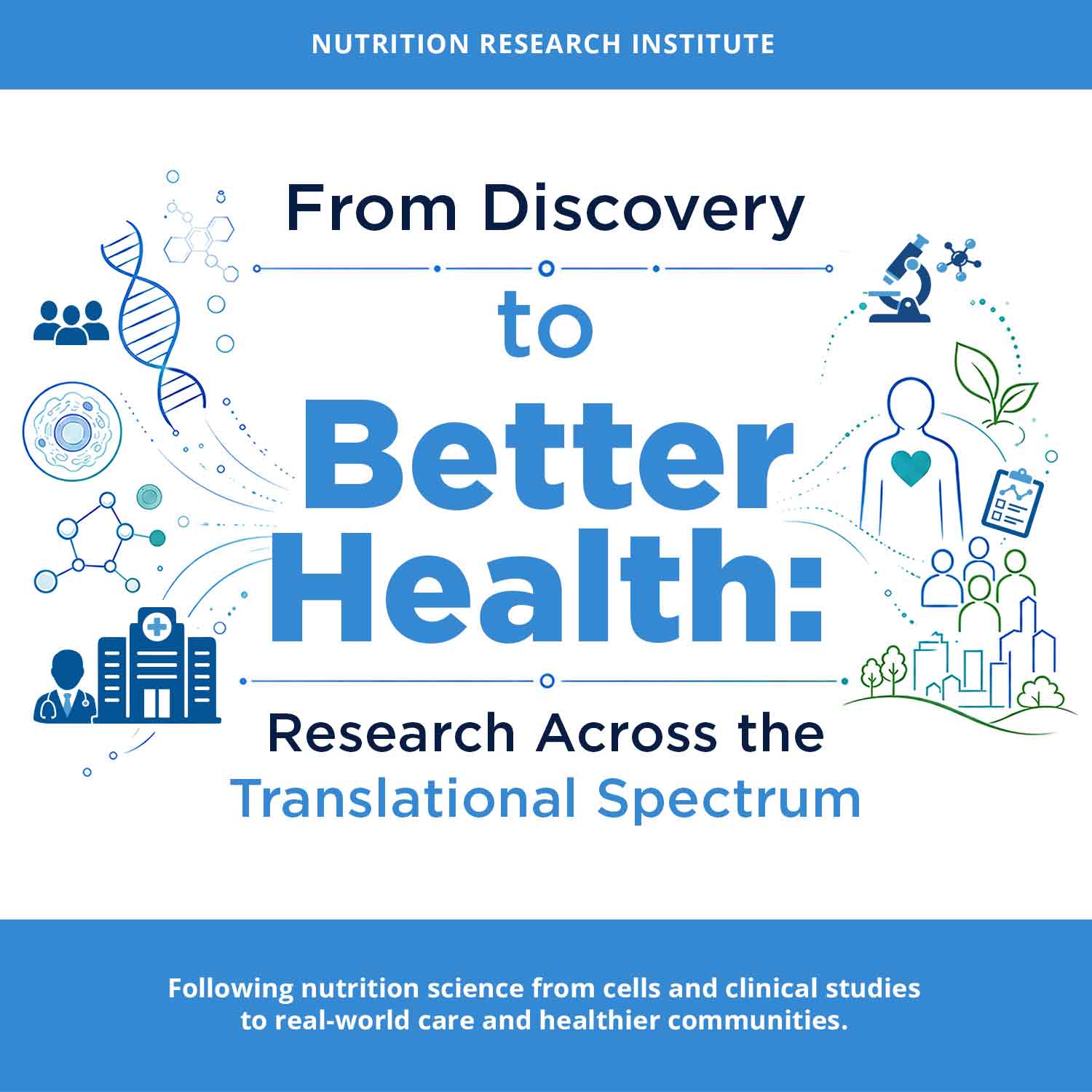
Explore the articles below to learn how NRI researchers are advancing our understanding of folate and its role in human health.

KNOW THE SIGNS
Possible signs of low folate.
Low folate can develop gradually. Possible signs include:
• Persistent fatigue or weakness
• Trouble concentrating, irritability, or headaches
• Shortness of breath or heart palpitations
• A sore tongue, mouth ulcers, or digestive changes
Symptoms alone cannot confirm low folate. Vitamin B12 deficiency and other conditions can cause similar symptoms.
A blood test and clinical assessment can help identify the cause.
SUPPLEMENTS AND SAFETY
Can you get too much?
Yes. For adults, the daily upper limit is 1,000 mcg from supplements and fortified foods. This limit does not include folate naturally found in food.
High supplemental doses may:
• Hide signs of vitamin B12 deficiency
• Allow related nerve damage to continue
• Interact with methotrexate and certain antiseizure medications
Check Before You Supplement
Talk with a healthcare professional before taking a high-dose supplement, especially if you take medication.
WHY IT MATTERS
Why Precision Nutrition Matters
Everyone responds to food differently. Genetics, metabolism, lifestyle, environment, and the microbiome all influence how nutrients affect our health. Precision nutrition helps researchers move beyond one-size-fits-all advice toward approaches designed around the individual.
Stay Connected to NRI Research
Get the latest research news, expert insights,
and upcoming events delivered to your inbox.