
The Invisible Middle of Research
June 17, 2026
Research stories are often told from two points on a timeline.
The first is the question.
Why do two people respond differently to the same diet? How does nutrition shape health before symptoms appear? What can we learn about the relationship between food, genes, environment, and disease that could help people live healthier lives?
The second point is the publication.
A peer-reviewed paper appears in a scientific journal. Findings are shared. A result becomes part of the larger body of knowledge. The work enters the conversation and begins to inform what scientists ask next.
But between the first question and the final publication is where much of discovery actually happens.
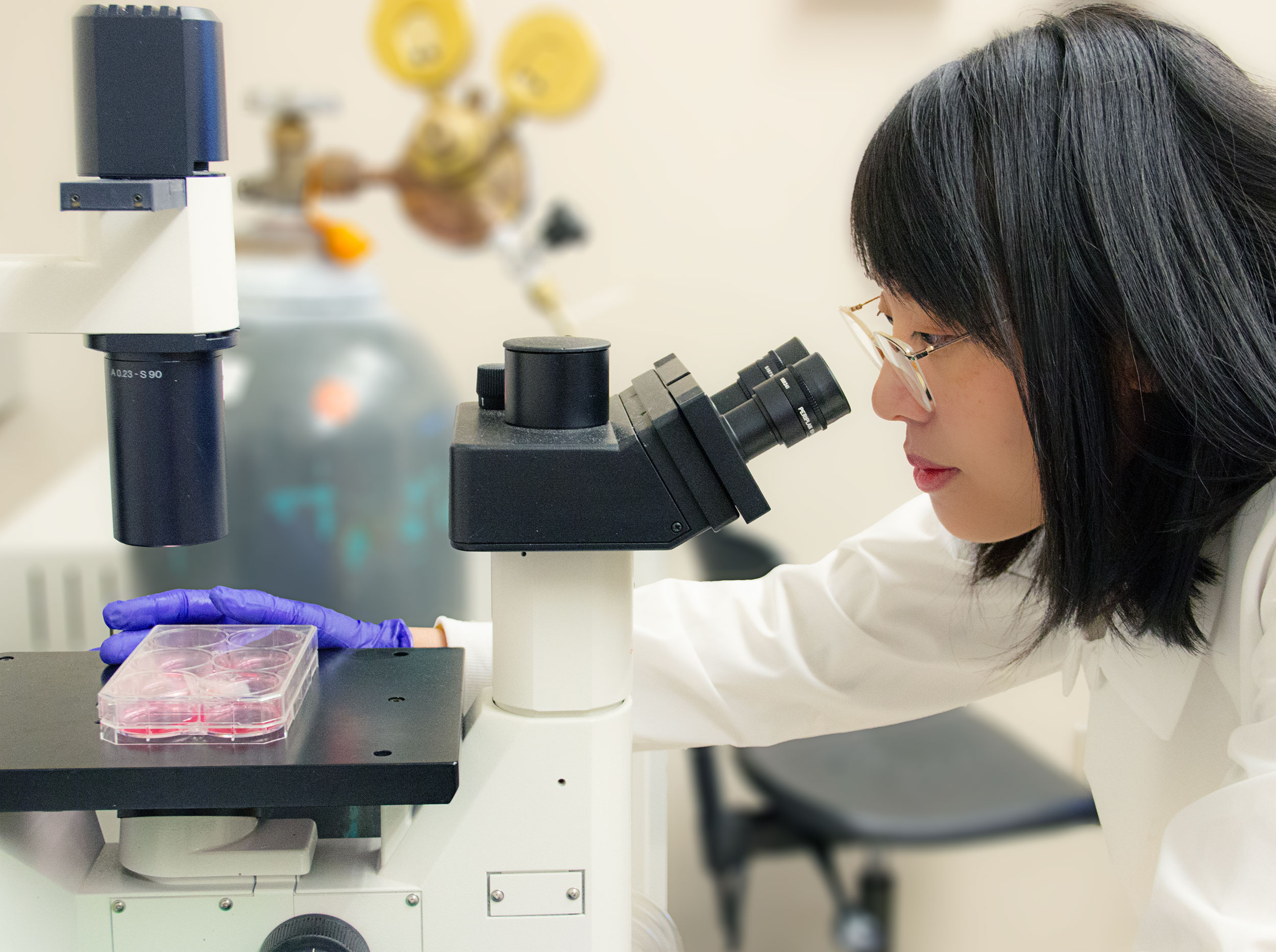
At the UNC Nutrition Research Institute, this “invisible middle” is not a pause between idea and outcome. It is the process of science itself. It is where questions are sharpened, studies are built, participants are welcomed, data is gathered, and teams work carefully toward answers that are strong enough to share.
In a world accustomed to quick information, research can seem slow. Nutrition research, especially, asks for patience. Food is personal. Health is complex. The same meal, nutrient, or behavior may affect people differently depending on genetics, metabolism, age, environment, culture, access, and lived experience. A meaningful study has to account for that complexity.
That is why the middle matters.
Before a study begins, researchers spend time refining the question. They review what is already known and identify what still needs to be understood. They decide who should participate, what should be measured, how data should be collected, and what methods will give the clearest picture. They build protocols, seek approvals, plan recruitment, and prepare for the many details that will determine whether the study can succeed.
This work may happen before there is anything public to announce, but it is not preliminary in the sense of being less important. It is the foundation.
The middle is also where many people become part of the story.
Faculty bring scientific expertise and a deep understanding of the questions that matter most. Research staff coordinate the day-to-day work that keeps studies moving. Students learn how discovery is built, not just in lectures or textbooks, but through careful practice. Participants give their time, their trust, and pieces of their own health story. Collaborators bring new tools, perspectives, and disciplines to the table.
A study does not move forward because of one person alone. It moves because a team forms around a question.
Sometimes that team is recruiting participants. Sometimes it is preparing materials for a study visit, managing samples, checking data, refining a survey, reviewing early results, troubleshooting a protocol, or meeting with collaborators to decide what the next step should be. Sometimes the work leads directly to a publication. Sometimes it leads to a pilot study, a stronger grant proposal, a new partnership, or a better question.
Each of those steps is progress.
The publication may be the clearest marker of scientific achievement, but it is not the moment discovery begins. By the time a paper is published, months or even years of work may have already taken place. The study has been planned, adjusted, carried out, analyzed, questioned, and interpreted. The final result is visible because of all the careful work that came before it.
This is especially important in nutrition science, where simple answers are easy to find but harder to trust. The NRI’s work is rooted in the understanding that health is not one-size-fits-all. Discovering how nutrition can be more precise, more personal, and more effective requires time, rigor, and collaboration.
The invisible middle gives that work its strength.
It is where researchers resist rushing to conclusions. It is where data is checked and rechecked. It is where early findings are examined with care. It is where an unexpected result may lead to a new question. It is where science becomes more reliable because it has been tested, refined, and challenged along the way.
At the NRI, discovery is not a single moment. It is a process built step by step by scientists, staff, students, participants, and collaborators who understand that meaningful answers take time.
The question may be where research begins. The publication may be where the world sees the result.
But the middle is where discovery takes shape.
Share on Socials
Inspired By What You Read?
NRI scientists are discovering how genes, environment, and microbiome affect our individual requirements for nutrients so that, soon, medical practitioners will be able to guide people in their health from childhood through old age without adding to these tragic numbers. Our critical research depends on the generosity of people like you.