
Effects of Inadequate Hydration on Kidney Disease
December 21, 2015 • While drinking at least eight glasses of water a day may not be necessary under normal conditions, maintaining adequate hydration, especially during physical exertion in warm weather, is essential for optimal health.
Preventing Fetal Alcohol Spectrum Disorders (FASD)
November 24, 2015 • From the desk of: David Horita, Ph.D.
THE STUDY
In a recently published paper1, NRI investigator Phil May and colleagues showed that the prevalence of fetal alcohol syndrome (FAS) and partial fetal alcohol syndrome (PFAS) is two to three times higher than previously estimated.
Dr. May’s study differs from most FAS prevalence studies in its use of active case ascertainment testing methods to estimate prevalence. This technique includes developmental testing of the child and detailed one-on-one interviews of the mother. The interview questions covered alcohol use during pregnancy, but also asked questions related to secondary factors, such as overall drinking history, marital status; socioeconomic status, and diet/nutrition. This approach is much more labor-intensive than the more common survey approach that relies on self-reported alcohol use information. However, it is also more accurate: self-reported alcohol usage surveys often underestimate FAS because of the stigma of drinking during pregnancy.
Healthy Brain Function Tied to Nutrition
November 24, 2015 • The research in Dr. Carol L. Cheatham’s Nutrition and Cognition lab focuses on effects of nutrition on brain development and function throughout the lifespan. In her work, she is exploring the importance of certain nutrients and foods to the development, maintenance, and lifelong integrity of the hippocampus and frontal brain areas. Nutrition is integral to fetal and infant brain development, which sets the stage for lifelong learning. At the other end of the spectrum, it is beginning to be evident that nutrition is also important in senescence in that certain nutrients coupled with other healthy lifestyle choices can slow the progression of age-related cognitive decline. Dr. Cheatham has active studies in four age groups; some of that work is summarized here.
A Paper on Choline
by Sumayyah Elkhouly The NRI’s fourth annual Virtual Internship Program (VIP) concluded on July 20 with 21 high school students from around the country presenting their research on the nutrients of their choice. Their research papers have been compiled into a journal,...
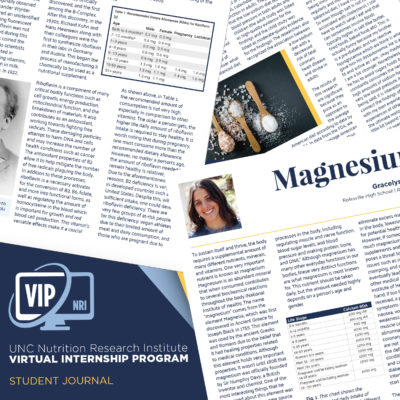
VIP Student Journal: 2023
Our Virtual Internship Program is offered to high school students (those entering 9th grade through recent graduates entering their freshman year of college in the fall of 2023. This four-week program provides opportunities to learn from NRI principal investigators, participate in group mentoring sessions, and complete an independent nutrition research paper and presentation.
A Paper on Vitamin E
by Caroline Johnson The NRI’s fourth annual Virtual Internship Program (VIP) concluded on July 20 with 21 high school students from around the country presenting their research on the nutrients of their choice. Caroline Johnson, a rising ninth grader at Pine Lake...
About the NRI

Deborah F. Tate, PhD
Interim Director
Professor of Nutrition

As a trailblazer in precision nutrition research, the UNC Nutrition Research Institute investigates the intricate interplay between nutrients, lifestyle behaviors, environmental influences, genetic and other biological factors. We’re dedicated to unraveling the mysteries of nutritional diversity among individuals. By leveraging top-tier scientific minds and cutting-edge genetic, metabolic, and digital tools, we’re poised to revolutionize personalized nutrition recommendations and the behavioral support tools needed for realizing healthier futures.
Building upon our legacy as a leader in fundamental and translational science, we’re expanding our reach into human clinical and community trials. I am determined to further this expansion, ensuring that we remain at the forefront of cutting-edge research both in our laboratories and within our communities.
The NRI is forging a path towards a healthier tomorrow for generations to come. Through this website, we aim to keep you informed about our fantastic people, latest developments, participation opportunities, milestones, and community engagements.
Deborah F. Tate, PhD
Core Values
Our Core Values are the shared values to which we commit ourselves for how we conduct our work at the NRI and the way we approach our mission and vision.
Collaboration
We work together to achieve collective and individual goals because we believe that multiple perspectives promote better outcomes.
Innovation
We are innovative and compassionate in our approach to complex issues in precision nutrition.
Cultural Stewardship
We seek to respect the unique qualities of each individual and to foster an environment where open inquiry and expression by all members of this institute are embraced.
Dedication
We are determined to excel in every aspect of our research enterprise.
Integrity
We conduct ourselves with integrity in all our scientific, business and community endeavors.
Research Excellence
We are responsible for conducting publicly and privately funded innovative research with excellence.
We Develop Precision Nutrition
The UNC Nutrition Research Institute is an internationally recognized center that conducts innovative basic and translational science studying how individual differences in requirements and responses to diet affect our individual nutritional needs. We believe that our advances in nutrition science are leading to successes in preventing or mitigating the negative effects of chronic diseases and aging and in improving human development, even prior to conception. → Learn more about Precision Nutrition
UNC-Chapel Hill
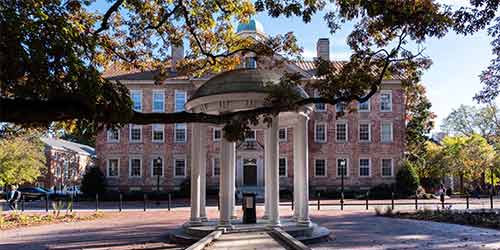
The Nutrition Research Institute is part of the University of North Carolina at Chapel Hill. We’re proud of our Carolina heritage and to represent UNC on the North Carolina Research Campus in Kannapolis.
NC Research Campus

Located in Kannapolis just north of Charlotte, the North Carolina Research Campus brings together eight university research centers along with industry, government, and nonprofit partners to advance human health through nutrition. Together, scientists study precision nutrition and work to develop safer, more nutritious crops and foods.
Kannapolis, NC

Kannapolis, North Carolina, just north of Charlotte, is a growing city with deep roots in textile history and a strong focus on the future. Home to the North Carolina Research Campus, Kannapolis brings together universities, innovators, and community partners in a walkable downtown setting with parks, local dining, and year-round events.
Where We Are
UNC Nutrition Research Institute
500 Laureate Way
Kannapolis, NC 28081
704-250-5000
UNC Nutrition Research Institute
Research Spotlight
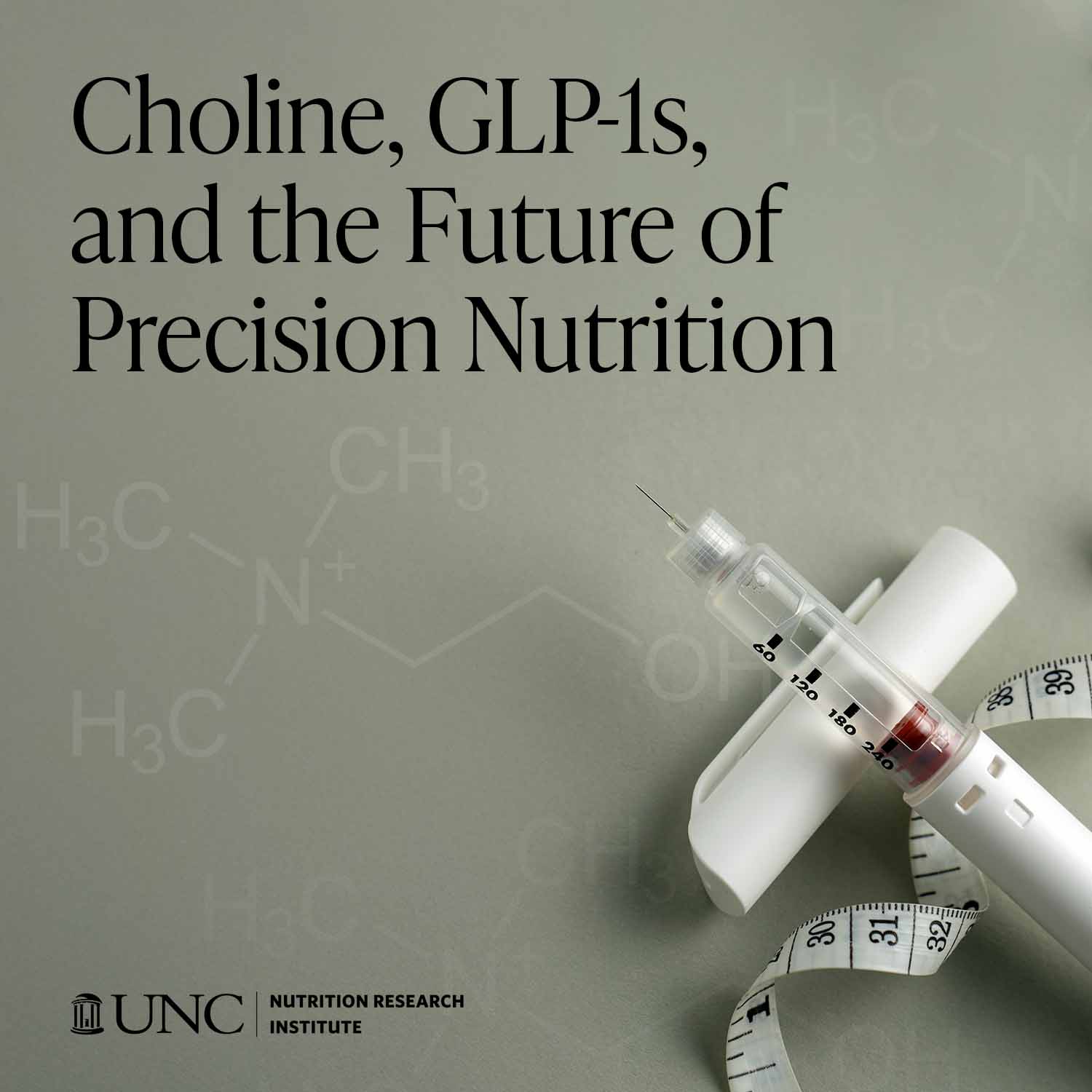
“GLP-1 medications don’t just change your appetite. They also change how your body absorbs and handles nutrients,” noted Evan Paules, PhD, postdoctoral research fellow. “As these medications become more widely used, we need to understand how they might shift nutrient needs, including choline, so we can keep people healthy while they are on them.”
Research that transforms lives.
PUBLICATIONS FROM OUR RESEARCHERS




Precision Nutrition Training and Mentoring
Research Spotlight
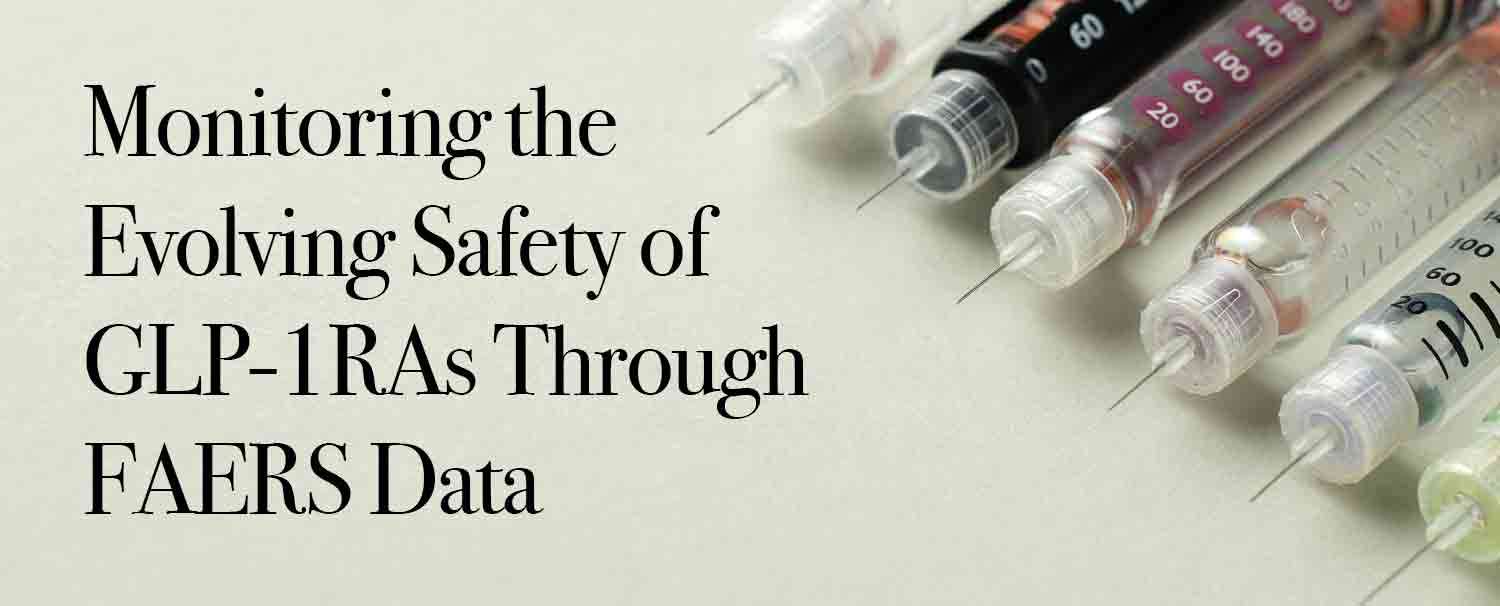
Evaluating the Evolving Real-World Adverse Events of GLP-1RAs Using FDA Adverse Event Reporting System (FAERS)
NRI Contributor: Stephen D. Hursting, PhD, MPH
Obesity remains one of the most urgent public health challenges of our time, contributing to conditions such as type 2 diabetes, cardiovascular disease, and cancer.
GLP-1 receptor agonists have emerged as promising tools for obesity and weight management, offering new opportunities to improve cardiometabolic health. But as their use grows, so does the need to better understand their safety in real-world settings.
Research that transforms lives.
PUBLICATIONS FROM OUR RESEARCHERS
Nutri-epigenetics of Mitochondrial Function and Energy Homeostasis in Obesity
How nutrition-related epigenetic changes may disrupt mitochondrial function and energy homeostasis, helping drive obesity beyond the effects of genetics, diet, and physical activity alone.
Choline, Lipidomics, and MASLD: Insights From the CARDIA Study
Certain blood lipids and choline-related metabolites were linked to fatty liver disease, suggesting they may help explain risk and serve as possible biomarkers.
Holding the Line: Preventing Weight Gain in Emotional Eaters
Weight gain prevention is a critical component of comprehensive obesity care. Emotional eating may contribute to unwanted weight gain, increasing cardiometabolic risk factors among adults with obesity.