
UNDERSTANDING
Healthy
Aging
Supporting strength.
Preserving independence.
At the UNC Nutrition Research Institute (NRI), scientists study how nutrition, body composition, movement, and technology help older adults stay strong, mobile, and independent.
Discover what helps us age well.
At the UNC Nutrition Research Institute (NRI), scientists study how nutrition, body composition, movement, and technology help older adults stay strong, mobile, and independent.
Discover what helps us age well.
UNDERSTANDING THE BASICS
What shapes how we age
Why can muscle loss matter more than weight?
Two people can weigh the same and have very different amounts of muscle and fat. Muscle supports balance, walking, and getting up from a chair, so strength and mobility often predict independence better than the number on the scale.
Is it too late to start exercising?
No. Federal guidelines recommend that older adults get about 150 minutes of moderate activity a week, muscle-strengthening activity on at least 2 days, and balance exercises. People with health conditions or who are new to exercise should start gradually and check with a clinician first.
Do older adults need to eat differently than younger adults?
Calorie needs often drop with age, but needs for protein, vitamin B12, vitamin D, and calcium generally do not. Health conditions, medications, and appetite changes can also affect what a person needs, so nutrition advice works best when tailored.
Can technology help?
Telemedicine, remote monitoring, and wearable devices may bring healthy-aging programs to people at home, including those in rural areas.
MAKE IT MEANINGFUL
What matters most to you?
Choose a goal to explore questions you can bring to your care team.
Stay strong and mobile
Keep doing the activities
Nourish my body
Connect nutrition with muscle health
Understand weight and health
Look beyond the number on the scale
Stay connected
Build support and meaningful routines
YOUR CONVERSATION STARTER
Keep doing the activities you enjoy
Everyday abilities can be meaningful goals. Think about the movement that matters to you, then discuss how to support it with your care team.
- What would help me keep walking, climbing stairs, or getting up from a chair?
- How can I combine aerobic, strength, and balance activities safely?
- Would a physical therapist or community program be helpful?
YOUR CONVERSATION STARTER
Support the body behind your daily life
A nutrition plan should reflect your health conditions, appetite, and personal goals. Diet and exercise belong in the same conversation about muscle health.
- Does my eating pattern support my nutrition needs?
- How should my meals change if my appetite or weight changes?
- Would it help to meet with a registered dietitian?
YOUR CONVERSATION STARTER
Look at health beyond body weight
Treatment decisions deserve an individual conversation. Discuss strength, nutrition, physical function, and quality of life alongside any weight goal.
- Would weight-loss treatment benefit my health and daily function?
- How will we monitor muscle health and nutrition during treatment?
- What benefits, risks, and alternatives should I consider?
YOUR CONVERSATION STARTER
Make support part of your routine
Relationships and meaningful activities are part of healthy aging. Think about what helps you feel connected, supported, and engaged.
- What local programs could help me stay socially engaged?
- Could a shared meal, walking group, or regular call fit my week?
- Are there remote care options that would make support easier to access?
ACROSS THE LIFESPAN
Start where you are
Healthy aging is a lifelong process. The right approach changes as your health, abilities, and priorities change.
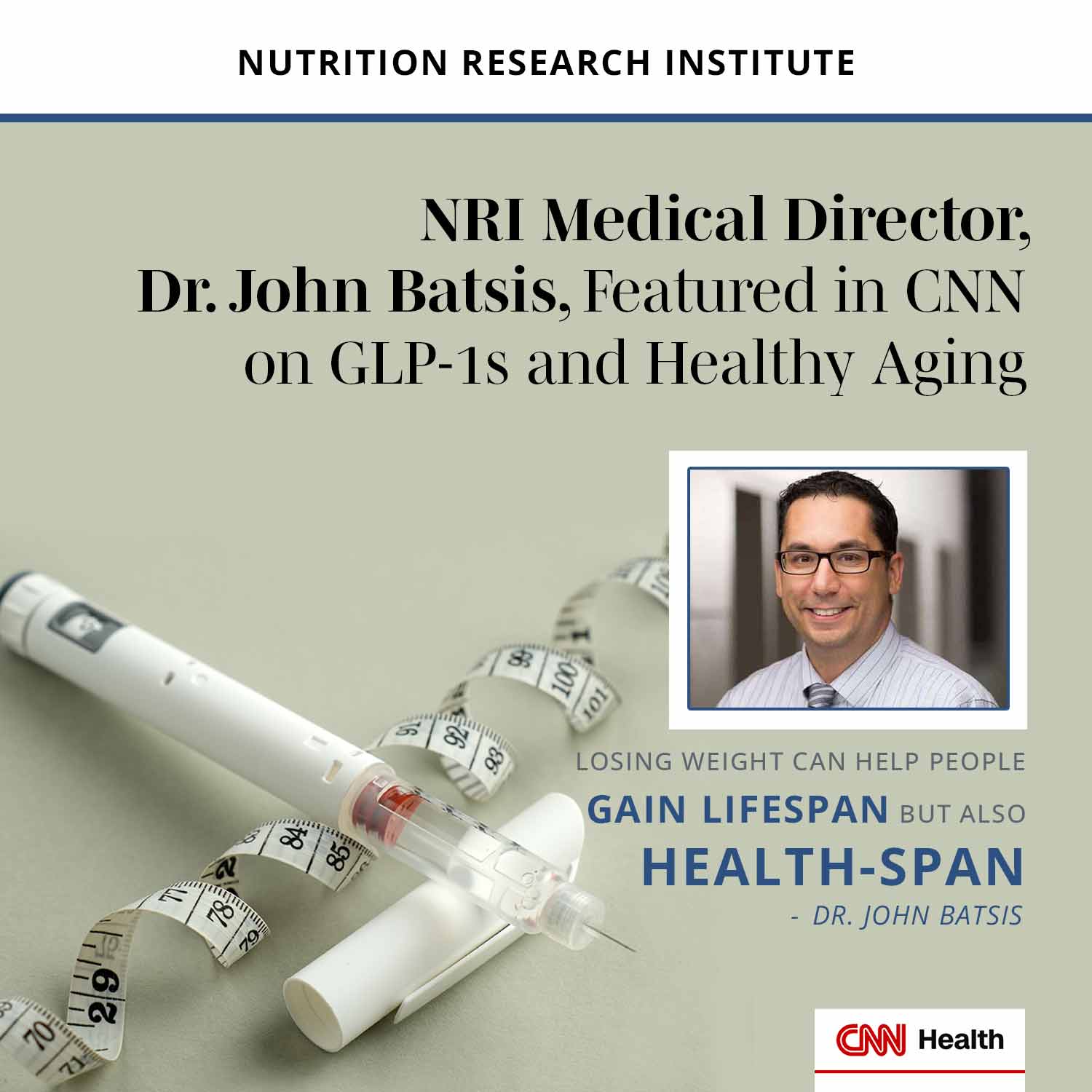
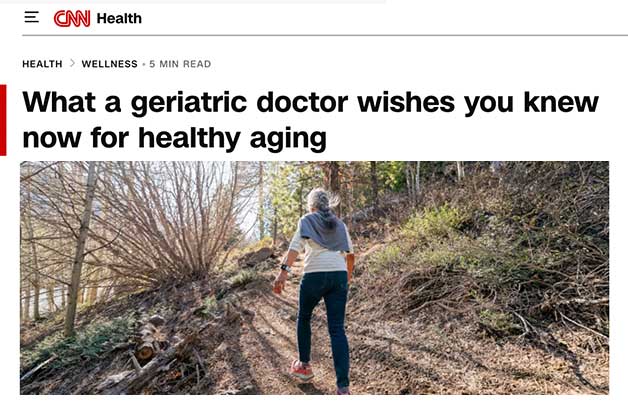
Explore NIA’s healthy aging guidance and Dr. Batsis’s CNN interview.
EARLIER ADULTHOOD
Build habits you can carry forward
Make nourishment, movement, and social connection part of everyday life. These habits give you a foundation that supports you as circumstances change.
MIDLIFE
Pay attention to function
Think beyond body weight. Work to maintain strength, including your grip, and keep your brain active with learning, puzzles, or activities that challenge you. Discuss health and strength changes with your care team, and keep doing what you enjoy.
LATER LIFE
Shape care around your goals
Adapt nutrition and movement to your abilities and medical needs. Staying engaged in meaningful activities remains a worthwhile goal at any age.
COMMON QUESTIONS
Questions people ask the most
A general guide to answer common questions about nutrition, movement, and aging well.
01. What is mild cognitive decline?
Mild cognitive decline (MCD) is NOT a diagnosis. In fact, we use this term specifically because it is not a diagnosis. Mild cognitive impairment is the diagnosis. MCD is our way of studying cognitive issues before they are diagnosable. Clinicians diagnose it, and research studies often screen with tests such as the Montreal Cognitive Assessment (MoCA). If you notice changes, talk with a doctor.
02. Will a “brain health” supplement improve my memory as I age?
The short answer is probably not. Most of the “brain health” supplements on the market have very little data to back up their claims. Most certainly, one cannot expect that a supplement will overcome an otherwise suboptimal lifestyle. Thus, a daily diet that contains all the foods known to be important to brain health will show more results than a supplement, but patience is key. It takes 30-60 days for a lifestyle change in nutrition to show a noticeable effect. Of course, if you do choose to add supplements, always consult your primary care physician first as supplements interact with pharmaceuticals and may render them ineffective.
Looking for ways to support brain health as you age? Download our handout for older adults with information on Mediterranean and MIND eating patterns, games and puzzles, and staying physically active.
Sources:
ConsumerLab.org
Interactions Between Nutritional Supplements and Prescription Medications
03. Does what I eat matter for my brain as an adult?
It may. Researchers are studying how dietary patterns relate to memory and thinking over time. Brain health is also influenced by factors such as physical activity, sleep, and cardiovascular health.
Source: National Institute on Aging
04. What is sarcopenia?
Sarcopenia is the loss of muscle mass and strength with aging.
05. Is losing weight always healthy for older adults?
It depends. Weight loss can benefit some older adults, but it can also reduce muscle and bone mass along with fat. Although BMI is widely used, it does not distinguish between fat and muscle or fully capture an individual’s health. Some studies have linked higher BMI in later life with lower dementia risk and lower risk of certain fractures, particularly hip fractures. These findings do not establish that a higher BMI is protective or identify an ideal weight for everyone. That is why this research looks beyond the scale to body composition, strength, and mobility, and why weight goals should be individualized with a clinician.
Sources: Unintended risks of sarcopenic obesity during weight-loss interventions in older people; Tailoring obesity management to support physical function
06. Can exercise enhance the effects of nutrition on the aging brain?
Researchers are studying whether nutrition and physical activity work together to support cognitive health. One connection is the gut, where food is broken down and nutrients are absorbed. Exercise helps keep the digestive system moving, making the gut an important link to explore.
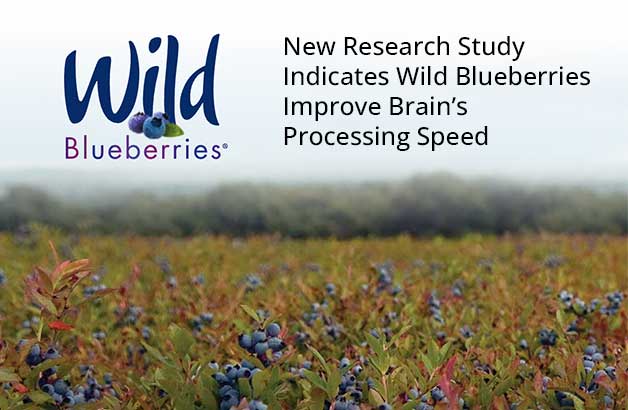
An NIH-funded study involving Dr. Cheatham compares blueberries with a placebo, each paired with either moderate walking or stretching, over 12 weeks in older adults with age-related cognitive changes. The goal is to learn whether combining blueberries and walking offers greater cognitive benefits than either approach alone.
Source: ClinicalTrials.gov
07. Can my medications affect my weight?
Yes. Some medications can contribute to weight gain by affecting appetite, energy levels, or fluid retention, but the effects vary from person to person. If you notice weight changes after starting a medication, talk with your prescriber. They can review possible causes and discuss alternatives when appropriate. Do not stop or change a medication on your own.
Source: UNC Health: Dealing with Medication-Related Weight Gain
MEET THE EXPERTS
NRI Researchers
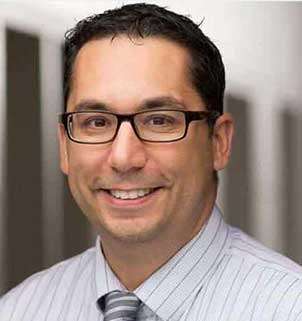
John A. Batsis, MD
CRC Medical Director, Associate Professor of Medicine
Dr. Batsis studies how obesity, muscle health, and aging affect physical function and quality of life. His work develops approaches that combine nutrition, exercise, and technology to help older adults maintain independence.
His research emphasizes care shaped around each person’s health, needs, and goals.
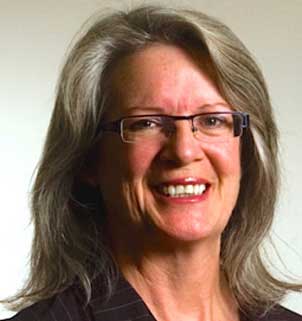
Carol L. Cheatham, Ph.D.
Associate Professor of Psychology & Neuroscience
Dr. Cheatham's research focuses on how nutrients affect brain development and function across the lifespan using brain imaging and behavioral assessments.
NRI Articles
Brain research from the NRI
Research news and expert perspectives from the institute.

FURTHER READING
Where to look next

Wild Blueberries

About this guide
This resource provides general information about current research on nutrition, physical activity, and healthy aging. It is not a substitute for personalized medical advice. Consult a qualified healthcare professional before making changes to your diet, exercise routine, or medical care.
Last reviewed: October 2026
WHY IT MATTERS
Why Precision Nutrition Matters
Everyone responds to food differently. Genetics, metabolism, lifestyle, environment, and the microbiome all influence how nutrients affect our health. Precision nutrition helps researchers move beyond one-size-fits-all advice toward approaches designed around the individual.
Stay Connected to NRI Research
Get the latest research news, expert insights,
and upcoming events delivered to your inbox.