

John.Batsis@unc.edu
919-966-5945
John A. Batsis, MD
CRC Medical Director, Associate Professor of Medicine
Dr. Batsis has dedicated his professional career to caring for older adults through clinical care, research and education. The privilege of helping older adults maximize their physical function and quality of life through patient-centered, compassionate care serves as a daily motivation in his work. His role as a clinician-researcher allows him to apply scientific principles of inquiry to enhance clinical care for an older adult population. Through learning and discovery, he aims to advance healthy aging by improving goal-directed care and healthcare delivery for older adults.
Dr. Batsis’s academic work focuses on three main areas: (a) understanding the relationships between obesity and sarcopenia (loss of muscle mass, strength and/or function with aging) and important outcomes for older adults; (b) developing multicomponent interventions (diet and exercise) to improve physical function in older adults; and (c) using novel technologies (telemedicine, remote monitoring, Internet-of-Things devices) and collaborating with transdisciplinary scientists (engineers and computer scientists) to improve the health and well-being of older adults.
Read: Dr. John Batsis Presents Keynote at AI Technology Center Consensus Guidelines Workshop
Read: Dr. Batsis Presents at American Diabetes Association Annual Meeting
Read: Dr. Batsis talks to Stat about new weight loss drugs
Watch: Dr Batsis – ‘Everyone has their own secret sauce’
Read: Doctors Assess Opportunities Gained, Lost through Medicare’s Annual Wellness Visits
Read: Batsis Discusses Five Common Medications That Can Cause Weight Gain
In the News
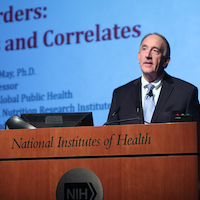
NRI Faculty Member Receives Prestigious NIAAA Award
December 17, 2018 – Philip A. May, PhD, has received the 2018 Mark Keller Award bestowed by the National Institute on Alcohol Abuse and Alcoholism (NIAAA) at the National Institutes of Health (NIH).

Starving Cells May Lead to New Cancer Treatments
November 20, 2018 – Nutrient availability regulates cell metabolism, growth, and survival. When nutrients are in short supply, cells can pause their growth or even eliminate themselves through a process known as programmed cell death, thereby protecting the health of the organism as a whole. If nutrient deprivation happens at certain critical periods, such as during the rapid growth of the embryonic brain, severe developmental consequences can arise (this is why proper maternal nutrition is so important). In contrast, harnessing the innate ability of cells to enter programmed cell death is an important strategy in cancer treatment.
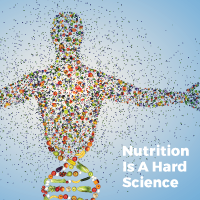
Nutrition Is a Hard Science
November 20, 2018 – There have been a lot of questions about the reliability of nutritional science. We should respond with an assertive statement: Nutrition is a hard science. By just about any comparison, much of what is known about nutrition and the methods that have built that knowledge is as robust as classical physics, biochemistry and other basic sciences generally recognized as rigorous.

Choline, Cognition and You: The Essential Nutrient for Maximum Brain Power
ESCONDIDO, Calif., June, 23, 2015 /PRNewswire/ -- Choline is critical to overall health and healthy cognitive function. This essential nutrient has an impact on the brain throughout our lives. ...
Publications
2026
2025
The Relationship Between a Mediterranean Diet and Frailty in Older Adults: NHANES 2007-2017.
Changes in senescence markers after a weight loss intervention in older adults with obesity.
Editorial: Clinical uses and alternative approaches of frailty determination.
Tailoring Obesity Management to Support Physical Function in Older Adults.
Treating Sarcopenic Obesity in the Era of Incretin Therapies: Perspectives and Challenges.
New Drugs and Same Blind Spots-Rethinking Obesity Care in Later Life.