

John.Batsis@unc.edu
919-966-5945
John A. Batsis, MD
CRC Medical Director, Associate Professor of Medicine
Dr. Batsis has dedicated his professional career to caring for older adults through clinical care, research and education. The privilege of helping older adults maximize their physical function and quality of life through patient-centered, compassionate care serves as a daily motivation in his work. His role as a clinician-researcher allows him to apply scientific principles of inquiry to enhance clinical care for an older adult population. Through learning and discovery, he aims to advance healthy aging by improving goal-directed care and healthcare delivery for older adults.
Dr. Batsis’s academic work focuses on three main areas: (a) understanding the relationships between obesity and sarcopenia (loss of muscle mass, strength and/or function with aging) and important outcomes for older adults; (b) developing multicomponent interventions (diet and exercise) to improve physical function in older adults; and (c) using novel technologies (telemedicine, remote monitoring, Internet-of-Things devices) and collaborating with transdisciplinary scientists (engineers and computer scientists) to improve the health and well-being of older adults.
Read: Dr. John Batsis Presents Keynote at AI Technology Center Consensus Guidelines Workshop
Read: Dr. Batsis Presents at American Diabetes Association Annual Meeting
Read: Dr. Batsis talks to Stat about new weight loss drugs
Watch: Dr Batsis – ‘Everyone has their own secret sauce’
Read: Doctors Assess Opportunities Gained, Lost through Medicare’s Annual Wellness Visits
Read: Batsis Discusses Five Common Medications That Can Cause Weight Gain
In the News
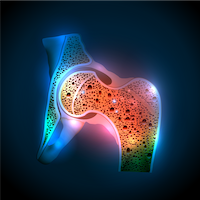
Genetic Factors in Determining Bone Mass
June 29, 2018 – Osteoporosis is a serious public health concern and causes significant economic burden. Currently, about 54 million people in the United States have osteoporosis or low bone mass. It is projected that by 2025, the incidences of bone fracture will be 3 million, resulting in about $25 billion in medical costs each year. Among different ethnicities, Hispanics are estimated to have the most rapid increase in osteoporosis burden by 2025.

New Grant to Study Nutrition and Chemotherapeutic Response
May 30, 2018 – Delisha Stewart, PhD, Assistant Professor of Nutrition at the UNC Nutrition Research Institute, has been awarded a two year grant to study the impact of diet on chemotherapeutic treatment resistance in obesity-driven, aggressive breast cancer. This award builds from the research Dr. Stewart has conducted over the last ten years.

NRI Included in UNC Creativity Hubs Inaugural Award to Study Obesity
May 14, 2018 – Five NRI faculty members are among a team of UNC researchers receiving an award to study one of the world’s most pressing issues: the obesity epidemic. The cross-disciplinary team, known as the Heterogeneity in Obesity Creativity Hub, will leverage the strengths of Carolina’s schools of medical and health sciences, affiliated research centers and institutes, and prowess in big data management to take a novel approach to assess the underlying causes of obesity to unlock new, targeted ways to treat the disease.
The connection between diet, obesity, and cancer: Nutrition experts explore the evidence
April 26, 2018 -About one third of cancer cases are estimated to be linked to dietary and other modifiable risk factors, especially for obesity-related cancers such as breast, colorectal, ovarian, endometrial, kidney, gallbladder, esophageal, and pancreatic cancers. In this special theme issue of the Journal of the Academy of Nutrition and Dietetics, food and nutrition practitioners and other health professionals take an in-depth look at the relationship between nutrition, obesity, and cancer prevention, treatment, and survival and identify research gaps for future prevention research efforts.
Publications
2026
2025
The Relationship Between a Mediterranean Diet and Frailty in Older Adults: NHANES 2007-2017.
Changes in senescence markers after a weight loss intervention in older adults with obesity.
Editorial: Clinical uses and alternative approaches of frailty determination.
Tailoring Obesity Management to Support Physical Function in Older Adults.
Treating Sarcopenic Obesity in the Era of Incretin Therapies: Perspectives and Challenges.
New Drugs and Same Blind Spots-Rethinking Obesity Care in Later Life.