
Be part of the
NRI community.
Get involved with the UNC Nutrition Research Institute
and help us become a global leader in scientific discovery.
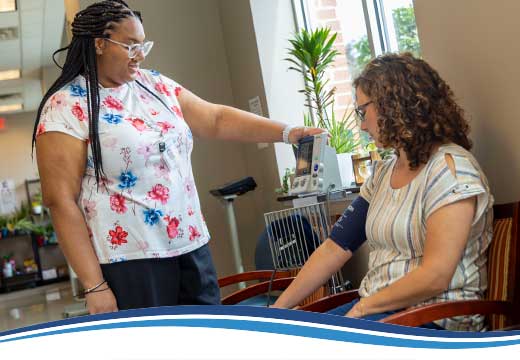
Join a Research Study
Help advance nutrition science. By participating in an NRI research study, you can contribute to discoveries that may improve health for generations to come.

NRI Exclusive Updates
Get the latest nutrition research, scientific discoveries, and NRI news delivered to your inbox. Be the first to hear about upcoming events and opportunities.

Appetite for Life
Explore nutrition science at our free community events featuring engaging talks, demonstrations, and conversations with NRI researchers.

Researchers uncovered a possible connection between
fat tissue and colon cancer.
Now, can we find a way to stop it?

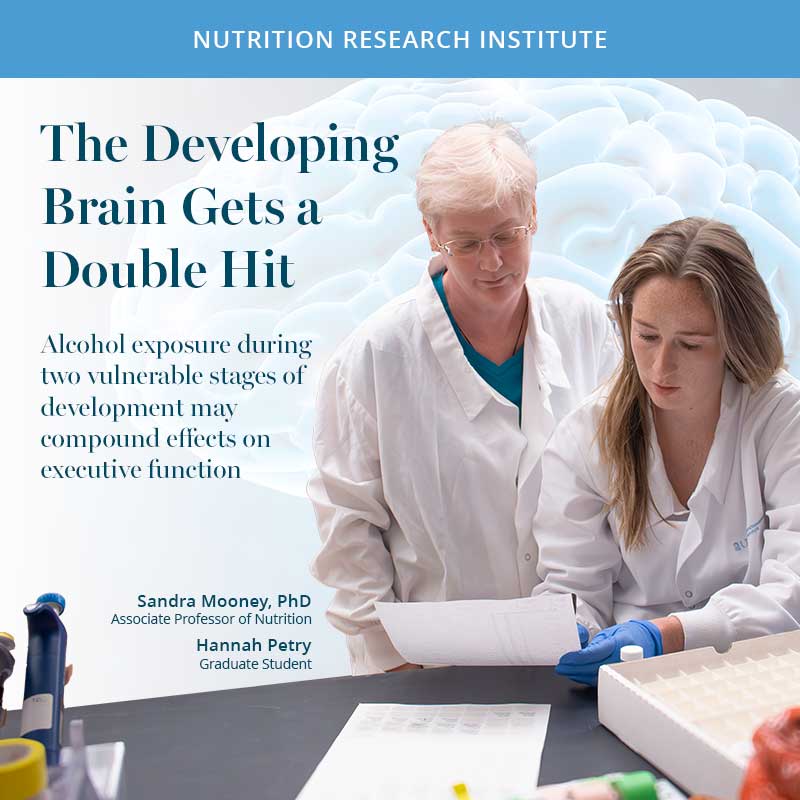
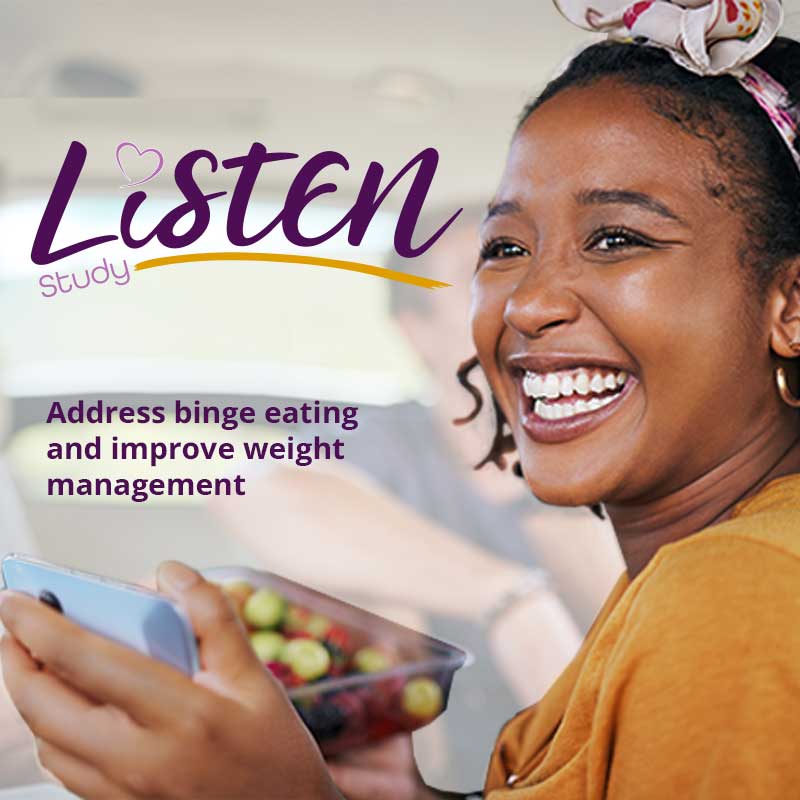
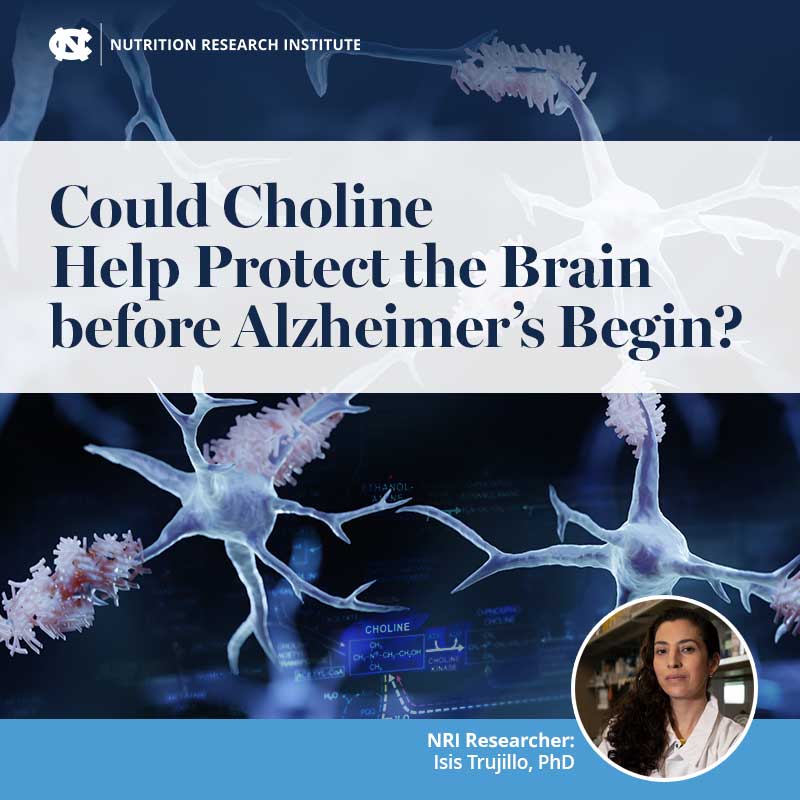
IMPORTANT DATES
IMPORTANT DATES
NOV
12
12 PM
DEC
4
8 PM
DEC
12
6 PM
DEC
12
6 PM

More strength.
More independence.
What helps us keep doing the things we love as we age?
Explore how NRI scientists study nutrition, movement, and technology to support strength, mobility, and independence.
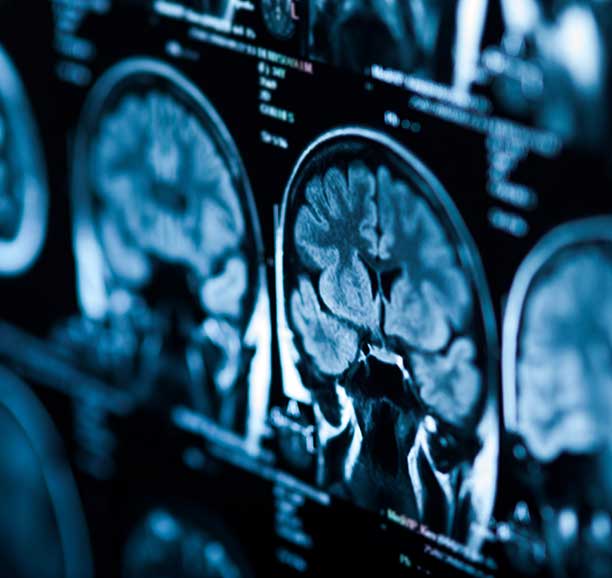
From nutrients to neurons.
Understanding the brain.
How does nutrition shape the way we think, learn, and remember?
Explore how NRI scientists study the connections between food, genes, and brain health, from before birth through later life.
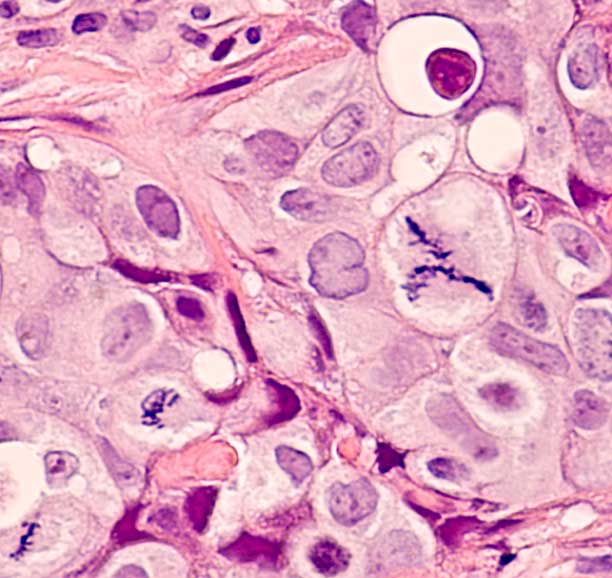
Connecting nutrition.
Advancing cancer research.
How might nutrition influence cancer risk?
Discover the questions NRI scientists are asking about nutrients, metabolism, and new possibilities for prevention.
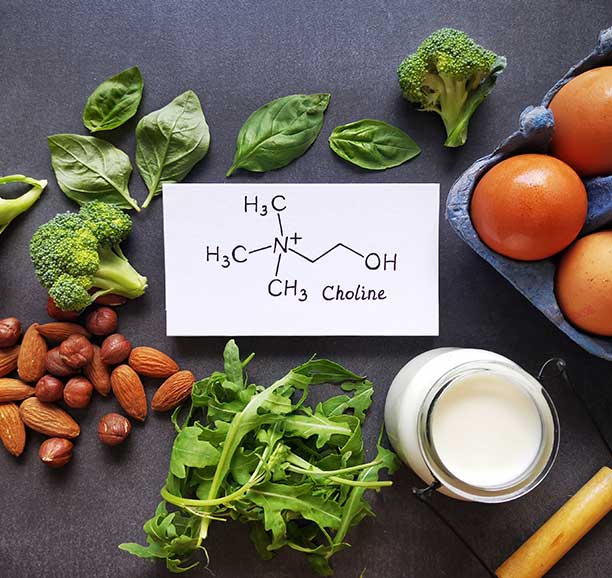
One essential nutrient.
Different needs in every body.
Why do choline needs vary from person to person?
Discover how NRI scientists explore the role of genetics in how our bodies make and use this essential nutrient.
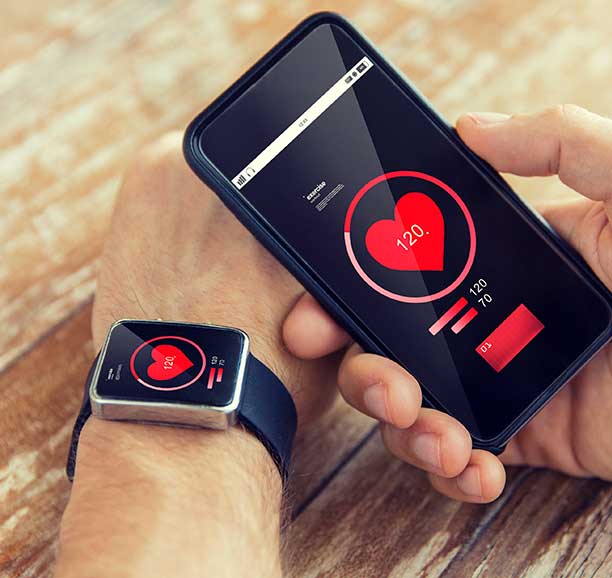
Everyday patterns.
New research possibilities.
Can understanding daily patterns help researchers develop more personalized support?
Explore how wearable devices and digital tools help researchers understand behavior and study support in everyday life.
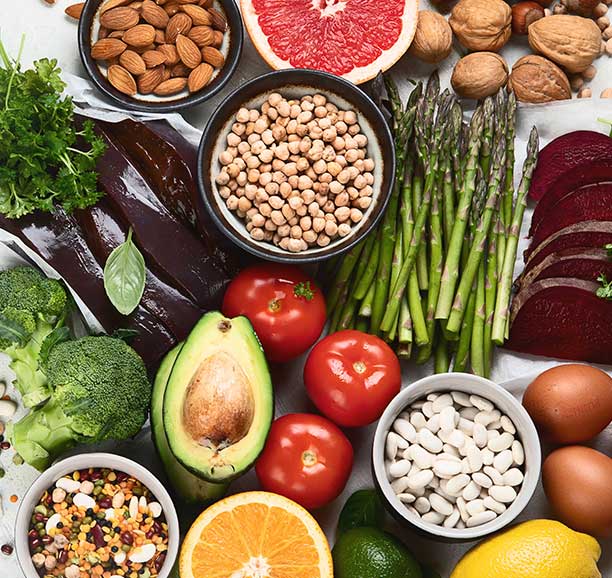
One nutrient.
Countless connections.
What can the way our bodies use a nutrient tell us about health?
Take a closer look at folate and discover how studying nutrient metabolism can open new paths in nutrition research.

Beyond weight loss.
Inside the science.
How does nutrition fit into the conversation about GLP-1 medications?
Explore the research and nutrition questions surrounding GLP-1 medications, beyond the buzz and headlines.
The science behind your everyday health.
Explore how nutrition connects to your brain, your body, and the way you age, through the questions NRI scientists are working to answer.
- 01 Aging
- 02 Brain Health
- 03 Cancer Research
- 04 Choline
- 05 Digital Health
- 06 Folate
- 07 GLP-1s
A LIFETIME OF POSSIBILITIES
More strength.
More independence.
What helps us keep doing the things we love as we age?
Explore how NRI scientists study nutrition, movement, and technology to support strength, mobility, and independence.
NUTRITION THROUGH LIFE
From nutrients to neurons.
Understanding the brain.
How does nutrition shape the way we think, learn, and remember?
Explore how NRI scientists study the connections between food, genes, and brain health, from before birth through later life.
THE SCIENCE OF PREVENTION
Connecting nutrition.
Advancing cancer research.
How might nutrition influence cancer risk?
Discover the questions NRI scientists are asking about nutrients, metabolism, and new possibilities for prevention.
ESSENTIAL NUTRIENTS
One essential nutrient.
Different needs in every body.
Why do choline needs vary from person to person?
Discover how NRI scientists explore the role of genetics in how our bodies make and use this essential nutrient.
ESSENTIAL FOR LIFE AND GROWTH
Building cells.
Supporting life.
How can one B vitamin influence growth, development, and lifelong health?
Explore how NRI scientists study folate and one-carbon metabolism to understand their roles in DNA synthesis, cell function, and healthy development.
WHERE TECHNOLOGY MEETS HEALTH
Smarter tools.
Healthier futures.
Can technology help us build healthier habits and improve our well-being?
Explore how NRI scientists use digital tools, personalized feedback, and behavioral science to better understand health behaviors and help people make lasting, meaningful changes.
BEYOND THE WEIGHT LOSS HEADLINES
More than appetite.
More to discover.
What happens when hormones, hunger, and metabolism intersect?
Explore the science behind GLP-1s, how these hormones help regulate appetite and blood sugar, and what researchers are learning about their role in metabolic health.
An important member of the UNC Nutrition Research Institute’s research team, Carol L. Cheatham, PhD, focuses on how nutrition can improve children’s brain function. Specifically, her team studies the importance of nutrients for the development of memory and attention abilities.
Broadly defined, Dr. Cheatham’s research focuses on the relationship between an individual’s genome and the metabolism of nutrients, and how this leads to differences in cognitive and social development. Specifically, she is interested in the development of memory and attention as they are the basis for learning, and therefore school readiness. For example, her research asks if the supplementation of children’s diets with omega-3 fatty acids have an effect on their memory abilities over a determined period of time. Many different methods and tools are used in the Cheatham lab to assess abilities, including taking turns with the children building unique toys and the use of special equipment to read their brain activity while they are watching pictures on a computer screen.
“Dr. Cheatham is an expert on the importance of omega-3 fatty acids (fish oils) for normal brain development,” said NRI Founding Director Steven Zeisel, MD, PhD, “This is an exciting and promising area of research that is changing the way women eat during pregnancy and lactation.”
A graduate of the University of Minnesota’s Institute of Child Development, Cheatham earned her PhD in Child Psychology and Neuroscience in 2004. She then specialized in nutrition and pediatric brain development in the Kansas University Medical Center’s Department of Dietetics and Nutrition before joining UNC. She has published research on memory recall in infants born preterm, the role of fatty acids in neonatal brains, and how stress impacts brain development, as well as other topics.
Cheatham is the recipient of several honors and awards, most recently receiving the Distinguished Alumna of Northwest College Award and the New Investigator Award from the International Society for Study of Fatty Acids & Lipids. In addition to her position at the NRI, Dr. Cheatham holds an appointment as an assistant professor in UNC’s Department of Psychology.
“I am very excited about the research being conducted at the UNC Nutrition Research Institute because it will advance the field significantly,” Cheatham said. “I look forward to the day when we will look out across a productive, bustling research campus and know that we were successful in our mission.”
For more information about Dr. Cheatham or to schedule an interview, please contact the UNC Nutrition Research Institute, 704-250-5008.
UNDERSTANDING THE BASICS
How technology connects to everyday health
Explore the tools researchers use to understand daily behavior and test more personal support.
What can blood choline tell us about heart health?
Researchers found that higher blood choline levels were linked to a greater risk of cardiovascular disease.
Two related compounds, betaine and TMAO, were not linked to risk overall. Among people with lower kidney function, however, higher TMAO was associated with greater risk, while higher betaine was associated with lower risk.
Why it matters: Kidney function may help explain why these compounds have different relationships with heart health.
Does this mean choline-rich foods cause heart disease?
No. This study measured blood levels and observed health outcomes. It did not show that eating choline-rich foods causes heart disease. Blood choline levels are not the same as dietary choline intake.
Do choline-related compounds tell different stories?
Researchers followed adults who did not have diabetes at the start of the study. They found that:
- Higher blood betaine was linked to a lower risk of developing diabetes.
- Higher blood TMAO was linked to a higher risk.
- Blood choline itself showed no clear association with diabetes risk.
Why it matters: Compounds connected to the same nutrient can have different relationships with health.
What are betaine and TMAO?
Both are connected to choline metabolism, the processes your body uses to transform and use choline. Your body can convert choline into betaine. Gut bacteria and the liver help produce TMAO from choline and other dietary compounds. These findings do not establish that taking betaine supplements prevents diabetes.
Can blood samples reveal more than a food diary?
Researchers compared reported diets with patterns of small molecules in the blood called metabolites.
Blood patterns associated with less healthy diets generally showed stronger links to future diabetes and cardiovascular disease than food questionnaires alone.
Why it matters: These patterns may help researchers understand both what people eat and how their bodies process it.
Was this study specifically about choline?
No. It examined broader dietary and metabolic patterns. It complements choline research by exploring how metabolism may help explain connections between food and long-term health.
EXPLORE THE RESEARCH
What happens to choline in your body?
Eating a nutrient is only part of the story. How your body processes it may also matter for your long-term health.
What can blood choline tell us about heart health?
Researchers found that higher blood choline levels were linked to a greater risk of cardiovascular disease.
Two related compounds, betaine and TMAO, were not linked to risk overall. Among people with lower kidney function, however, higher TMAO was associated with greater risk, while higher betaine was associated with lower risk.
Why it matters: Kidney function may help explain why these compounds have different relationships with heart health.
Does this mean choline-rich foods cause heart disease?
No. This study measured blood levels and observed health outcomes. It did not show that eating choline-rich foods causes heart disease. Blood choline levels are not the same as dietary choline intake.
Do choline-related compounds tell different stories?
Researchers followed adults who did not have diabetes at the start of the study. They found that:
- Higher blood betaine was linked to a lower risk of developing diabetes.
- Higher blood TMAO was linked to a higher risk.
- Blood choline itself showed no clear association with diabetes risk.
Why it matters: Compounds connected to the same nutrient can have different relationships with health.
What are betaine and TMAO?
Both are connected to choline metabolism, the processes your body uses to transform and use choline. Your body can convert choline into betaine. Gut bacteria and the liver help produce TMAO from choline and other dietary compounds. These findings do not establish that taking betaine supplements prevents diabetes.
Can blood samples reveal more than a food diary?
Researchers compared reported diets with patterns of small molecules in the blood called metabolites.
Blood patterns associated with less healthy diets generally showed stronger links to future diabetes and cardiovascular disease than food questionnaires alone.
Why it matters: These patterns may help researchers understand both what people eat and how their bodies process it.
Was this study specifically about choline?
No. It examined broader dietary and metabolic patterns. It complements choline research by exploring how metabolism may help explain connections between food and long-term health.
APPETITE FOR LIFE · FREE COMMUNITY EVENT
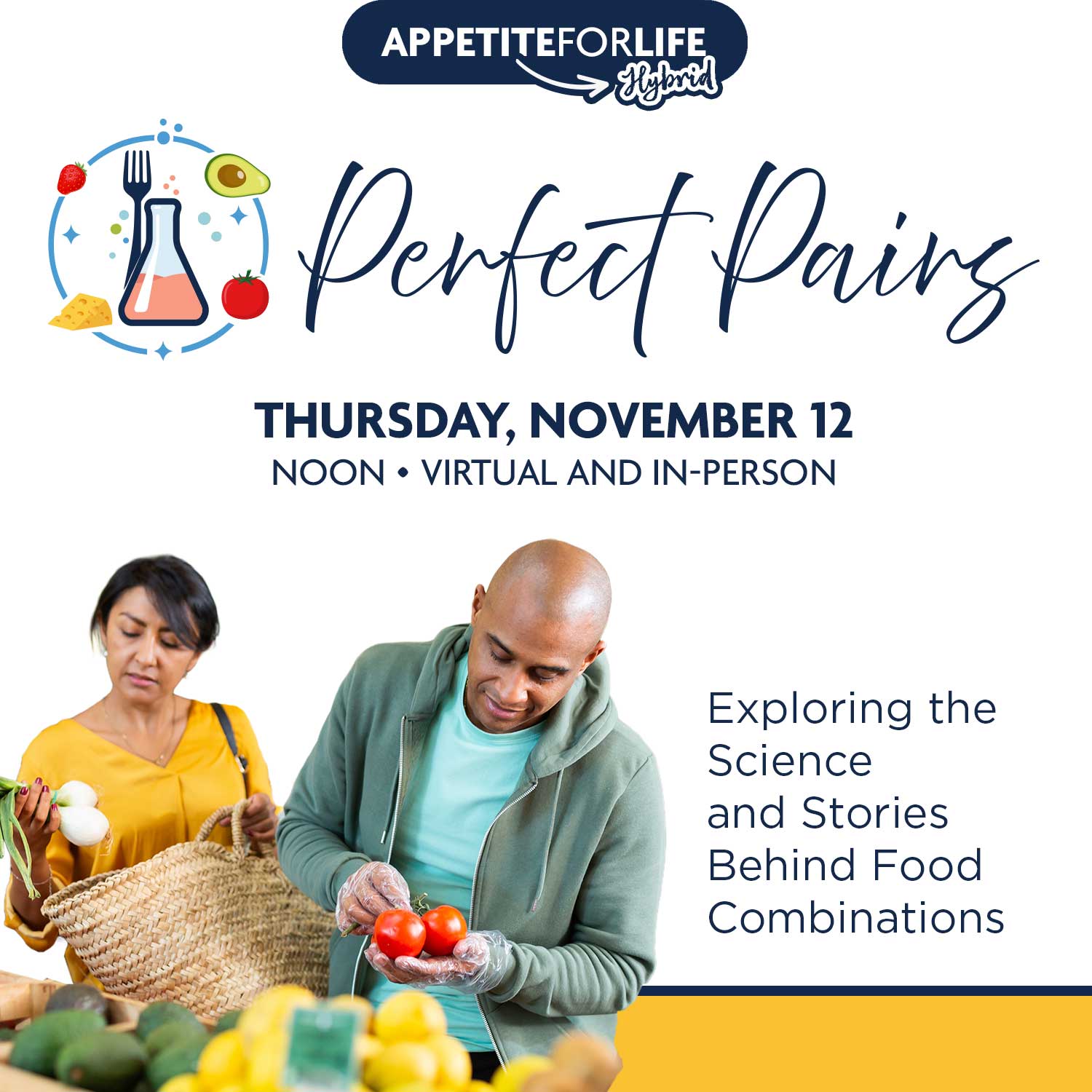
Perfect Pairs:
Exploring the Science and Stories Behind Food Combinations
Thursday, November 12, 2026
12 PM ET / Virtual + In-person
Join us for Appetite for Life as Carol L. Cheatham, PhD, explores the science of nutrient synergy: how certain foods and nutrients work better together to support absorption, brain health, and overall wellness.
This engaging talk will look at popular pairings, vitamin partnerships, and the value of eating a variety of whole foods — showing why, when it comes to nutrition, no nutrient plays a solo.