
Understanding
Nutrition & Cancer
how diet, body weight, and metabolism shape cancer risk
Cancer and excess body fat can both rewire metabolism.
NRI researchers study where they intersect and how to intervene.
Real questions.
Research-based answers.
UNDERSTANDING THE BASICS
How obesity and diet influence cancer
What is the connection?
Excess body fat is not inert tissue. It changes the levels of hormones and inflammatory signals circulating through the body, and those signals reach cells everywhere — including cells that are on the path to becoming a tumor. An expert panel convened by the International Agency for Research on Cancer in 2016 concluded that obesity is linked to 13 different cancers.
Which signals carry the message?
Work in the Hursting laboratory at the NRI has established causal links between obesity and a set of systemic factors, and traced how those factors act inside cells.
- Insulin and IGF-1, which rise with insulin resistance
- Leptin, released in proportion to fat mass
- Inflammatory signals such as IL-6
- Downstream pathways including IGF1/Akt/mTOR and NF-κB
Can the link be broken?
That is the central question of the research. Preclinical work at the institute shows that weight loss through calorie restriction or exercise reduces tumor growth in several cancer types, and evidence from bariatric surgery studies points the same way in people. Current work asks whether the newer anti-obesity medications produce the same protective effect.
Why does this belong at a nutrition institute?
Because the exposure is diet and the mechanism is metabolism. Understanding who is at risk, and which intervention will work for which person, is a precision nutrition problem before it is an oncology one.
COMMON QUESTIONS
Questions people ask the most
General answers to guide your own conversation with an oncologist, physician, or registered dietitian, not a substitute for one.
01. How is obesity linked to cancer?
Excess body fat can affect hormones, insulin signaling, inflammation, and cell growth, creating conditions that may help some cancers develop.
Source: National Cancer Institute
02. Will losing weight lower my risk?
Some studies associate intentional, sustained weight loss with lower risk of certain cancers, but researchers are still determining how much benefit comes from weight loss itself.
Source: National Cancer Institute
03. Which cancers are associated with obesity?
Higher body fat is associated with at least 13 cancers, including colorectal, kidney, liver, pancreatic, endometrial, and postmenopausal breast cancer.
Source: National Cancer Institute
04. Is there a diet that prevents cancer?
No single food or diet prevents cancer. Diets high in vegetables, fruit, whole grains, and fiber, and low in processed meat, alcohol, and excess calories, are associated with lower risk across many studies. The size of the benefit varies between people, which is the part precision nutrition research is trying to explain.
Source: National Cancer Institute
05. Why do researchers study metabolism?
Cancer cells change how they obtain and use energy. Researchers study how those changes interact with obesity-related hormones, inflammation, and nutrients.
Source: National Cancer Institute
06. Can exercise help even without weight loss?
Yes. Physical activity may improve insulin regulation, reduce inflammation, support immune function, and lower the risk of several cancers.
Source: National Cancer Institute
07. What are NRI researchers trying to discover?
They study how nutrition, obesity, and metabolism affect cancer, and whether diet, exercise, or other interventions can improve prevention and treatment.
Source: UNC Nutrition Research Institute
MEET THE EXPERTS
NRI Researchers
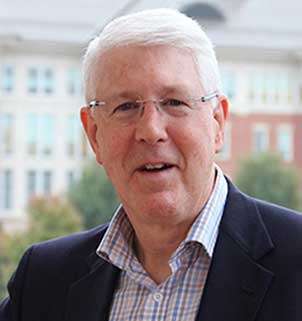
Stephen D. Hursting PhD, MPH
Associate Professor of Medicine
As a professor at the UNC Nutrition Research Institute and UNC-Chapel Hill, his research explores how obesity, diet, exercise, and metabolism influence cancer development, treatment, and recovery.

Sergey A. Krupenko, PhD
Professor of Nutrition
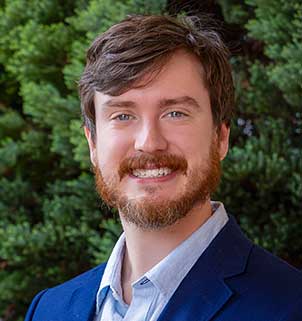
Blake Rushing, PhD
Associate Professor of Nutrition
Dr. Rushing's studies how nutrient metabolism and genetics shape cancer to advance personalized prevention and care. He is also a UNC Lineberger Comprehensive Cancer Center member.
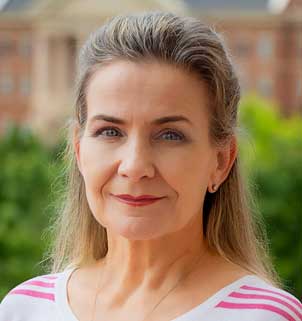
Natalia Krupenko, PhD
Associate Professor of Nutrition
Natalia Krupenko, PhD, is an Associate Professor at the UNC Nutrition Research Institute. She studies how folate (vitamin B9) affects health, including its role in cancer risk. Her research aims to identify ways to benefit from folate while avoiding potential harms from excessive supplementation.
NRI Articles
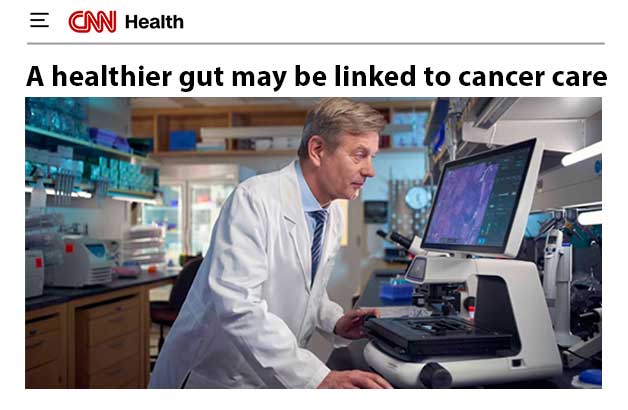
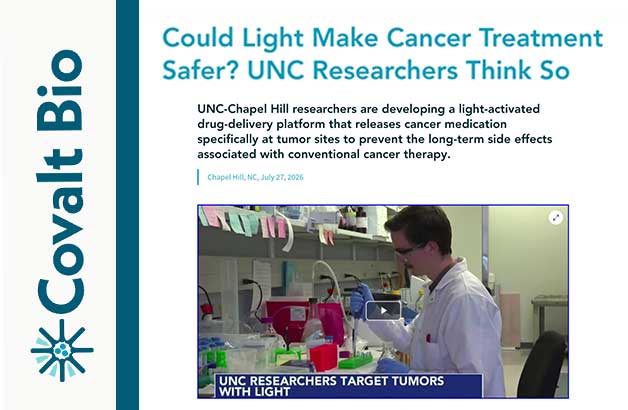
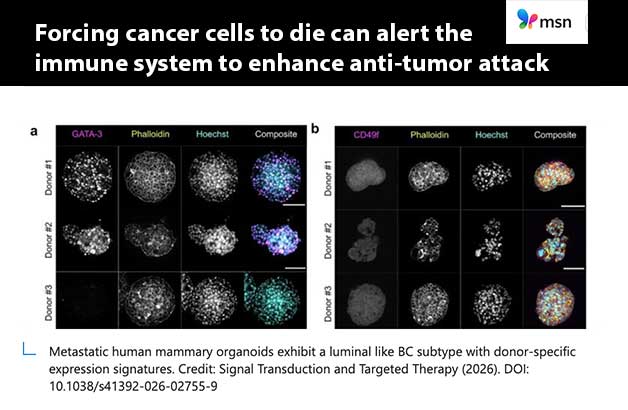
Cancer insights from the NRI
Research news and expert perspectives from the institute.
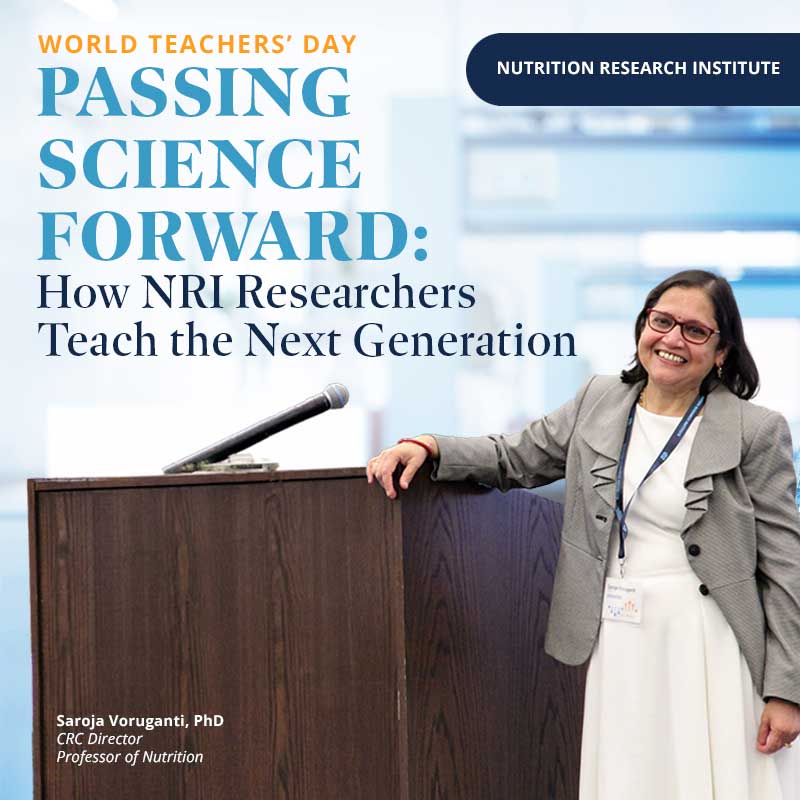

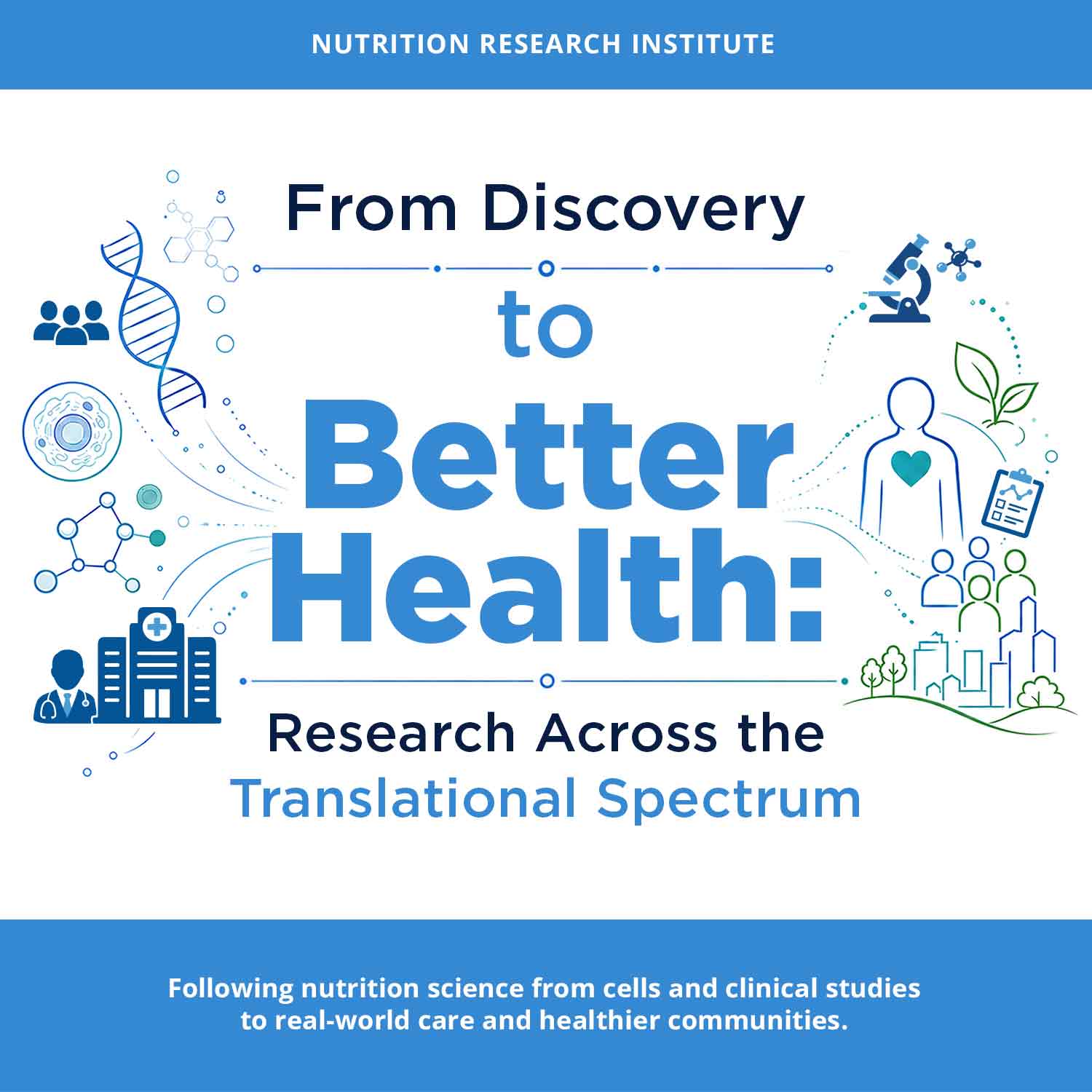
Setting the record straight
Myths vs. Facts

MYTH:
Sugar feeds cancer, so cutting it out starves tumors.
FACT:
All cells use glucose, and the body maintains blood glucose whether or not sugar is eaten. Cutting sugar does not starve a tumor. What matters is the bigger picture: excess calories and insulin resistance over years change the hormonal environment in ways that do influence risk.
MYTH:
A risk factor means it will happen.
FACT:
Risk factors shift probability, they don't determine outcomes. Obesity meaningfully raises the odds of several cancers across a population while most individuals with obesity never develop one. Both things are true at once, and research has to hold both.
MYTH:
Two tumors with the same diagnosis are the same disease.
FACT:
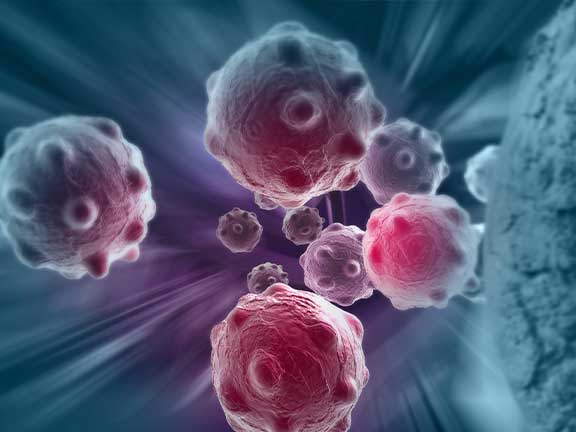
Tumors carrying the same label can differ substantially in how they run their metabolism, and that variation is part of why treatments work for some patients and not others.
FURTHER READING
Where to look next
About this guide
This resource provides general information about current research on nutrition, obesity, and cancer. It is not a substitute for personalized medical advice. Consult a qualified healthcare professional before making decisions about cancer screening, prevention, or treatment.
Last reviewed: September 2026
WHY IT MATTERS
Why Precision Nutrition Matters
Everyone responds to food differently. Genetics, metabolism, lifestyle, environment, and the microbiome all influence how nutrients affect our health. Precision nutrition helps researchers move beyond one-size-fits-all advice toward approaches designed around the individual.
Stay Connected to NRI Research
Get the latest research news, expert insights,
and upcoming events delivered to your inbox.