
Microbiome and Nutrition
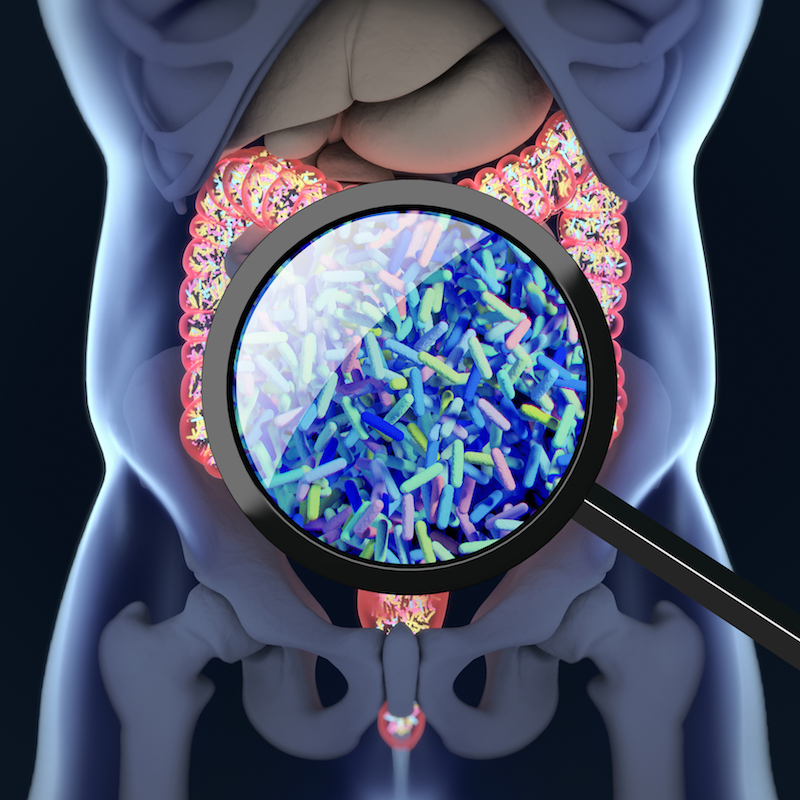
The complex community of bacteria, yeasts and viruses living in our intestines, collectively known as the gut microbiome, is shaped, in part, by what we eat. Genetics, environment, and other factors also influence an individual’s microbial community. Research at the NRI investigates these complex relationships and their impact on disease risk. We use animal models and bioinformatics to study the associations between nutritional metabolites, gut microbiome, and health. What happens in the gut doesn’t stay in the gut. Your microbiome can play a role in cardiovascular disease, obesity and diabetes, and even cancer. Our team envisions a future where analysis of your microbiome can determine disease risk, and medical foods can be prescribed to treat and prevent disease by regulating the microbiome.
Publications
Microbiome and Nutrition Publications
2020
Population studies of TMAO and its precursors may help elucidate mechanisms. Meyer K
2019
Association of dietary patterns with the gut microbiota in older, community-dwelling men. Meyer K
2018
Meta-analysis of human genome-microbiome association studies: the MiBioGen consortium initiative. Meyer K
Human microbiota, blood group antigens, and disease. Sumner S
2017
Trimethylamine N-Oxide, the Microbiome, and Heart and Kidney Disease. Zeisel S
2016
Diet and Gut Microbial Function in Metabolic and Cardiovascular Disease Risk. Meyer K
Antibiotic-mediated gut microbiome perturbation accelerates development of type 1 diabetes in mice. Sumner S
Related News
Obesity and Diabetes: Recent Advancements Reveal There's More to the Story
Liza Makowski, Ph.D.
Obesity and Diabetes: Recent Advancements Reveal There's More to the Story
Liza Makowski, Ph.D.
NRI study identifies gene associated with male infertility
Now researchers at the UNC Nutrition Research Institute, have found a possible genetic cause for some incidences of male infertility.
Future studies will explore whether choline nutrient supplements can improve sperm function for some men.
Eating Just Right: Principles and Practice of Personalized Nutrition
Martin Kohlmeier, M.D.
Eating For Two – The Healthy Way: The Science of Epigenetics
Mihai Niculescu, M.D., Ph.D.
2010 Art Contest Winners Announced
The UNC Nutrition Research Institute (NRI) hosted the 2010 Student Art Contest, in which students used their talents to depict metabolism, energy, and how nutrition contributes to overall health and wellness.