
Insights from NGX 2026
NGx Highlights NRI’s Pioneering Role in Precision Nutrition and Exercise Across the Lifespan
How does a person’s genetics shape their response to food? How can physical activity influence health before birth, during midlife, and into older adulthood? What can metabolomics, multi-omics, artificial intelligence, and behavioral science reveal about the future of nutrition and exercise?
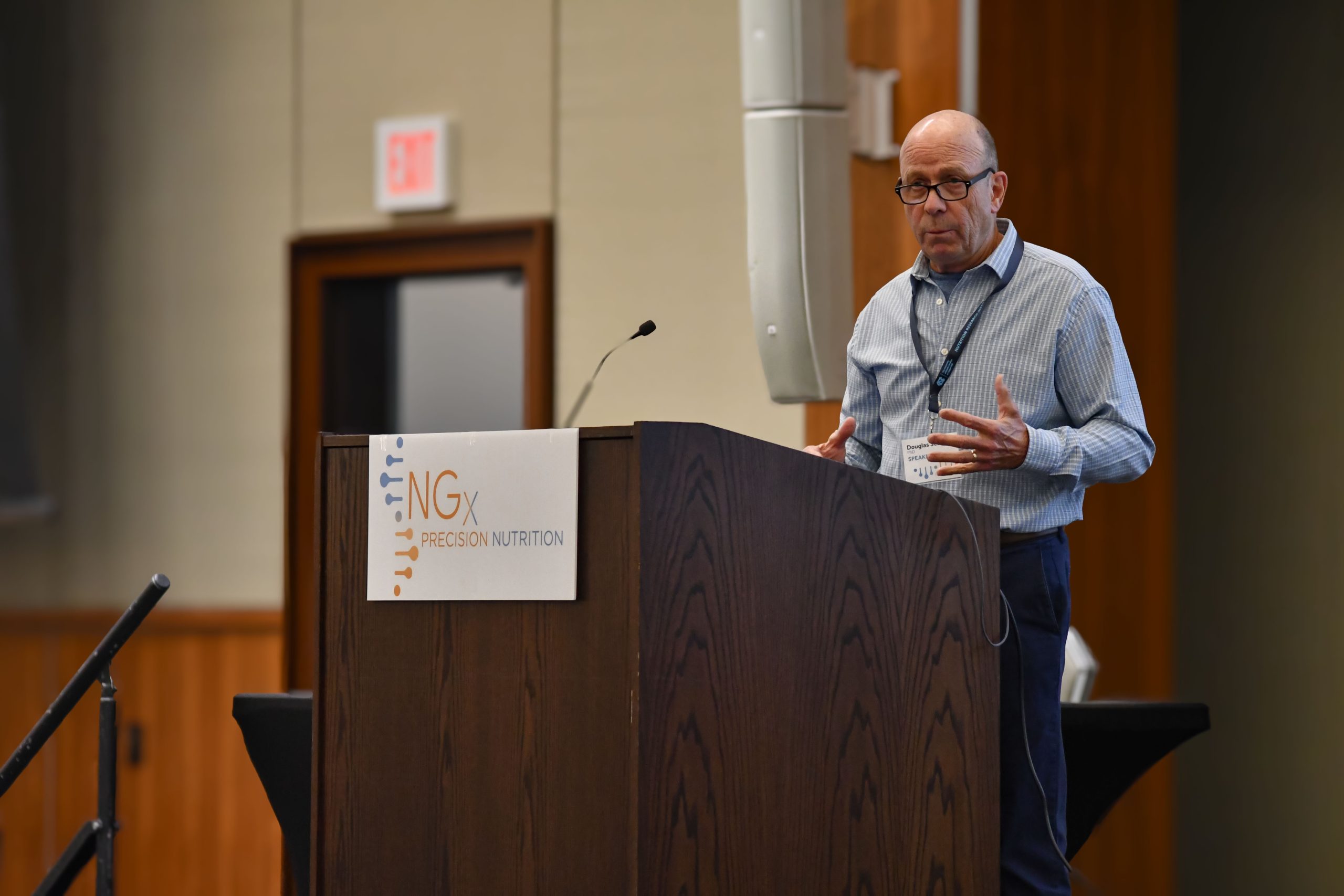
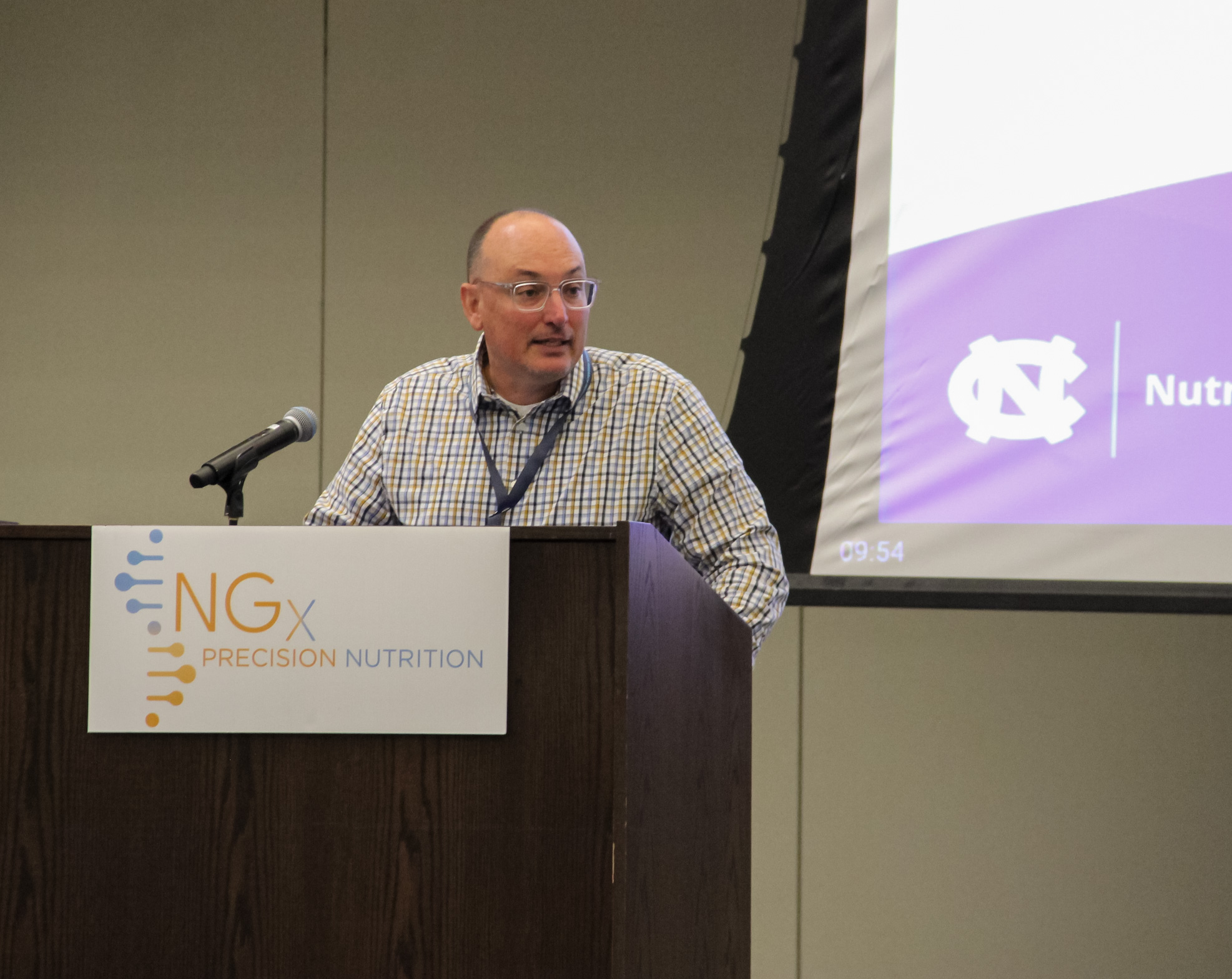
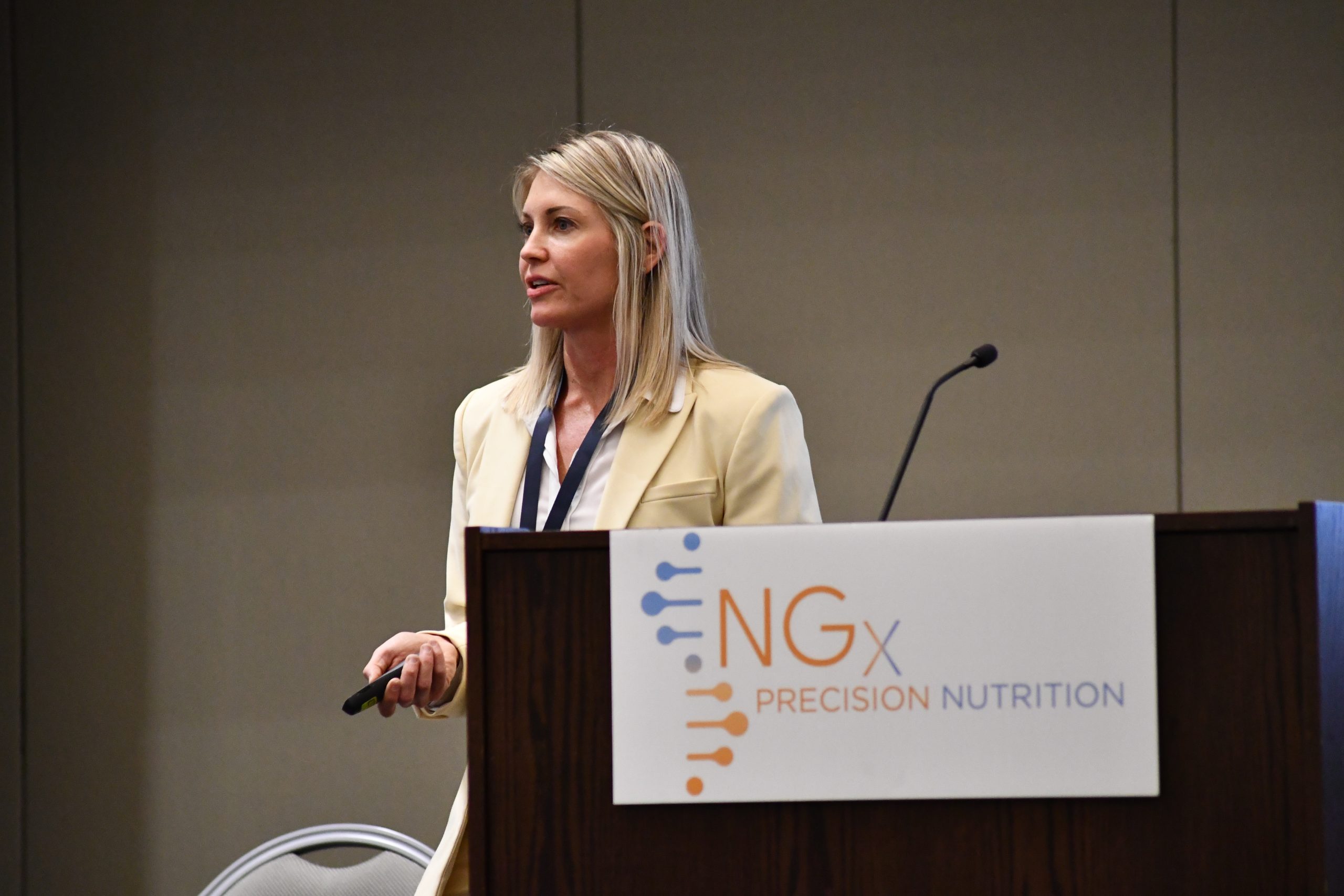
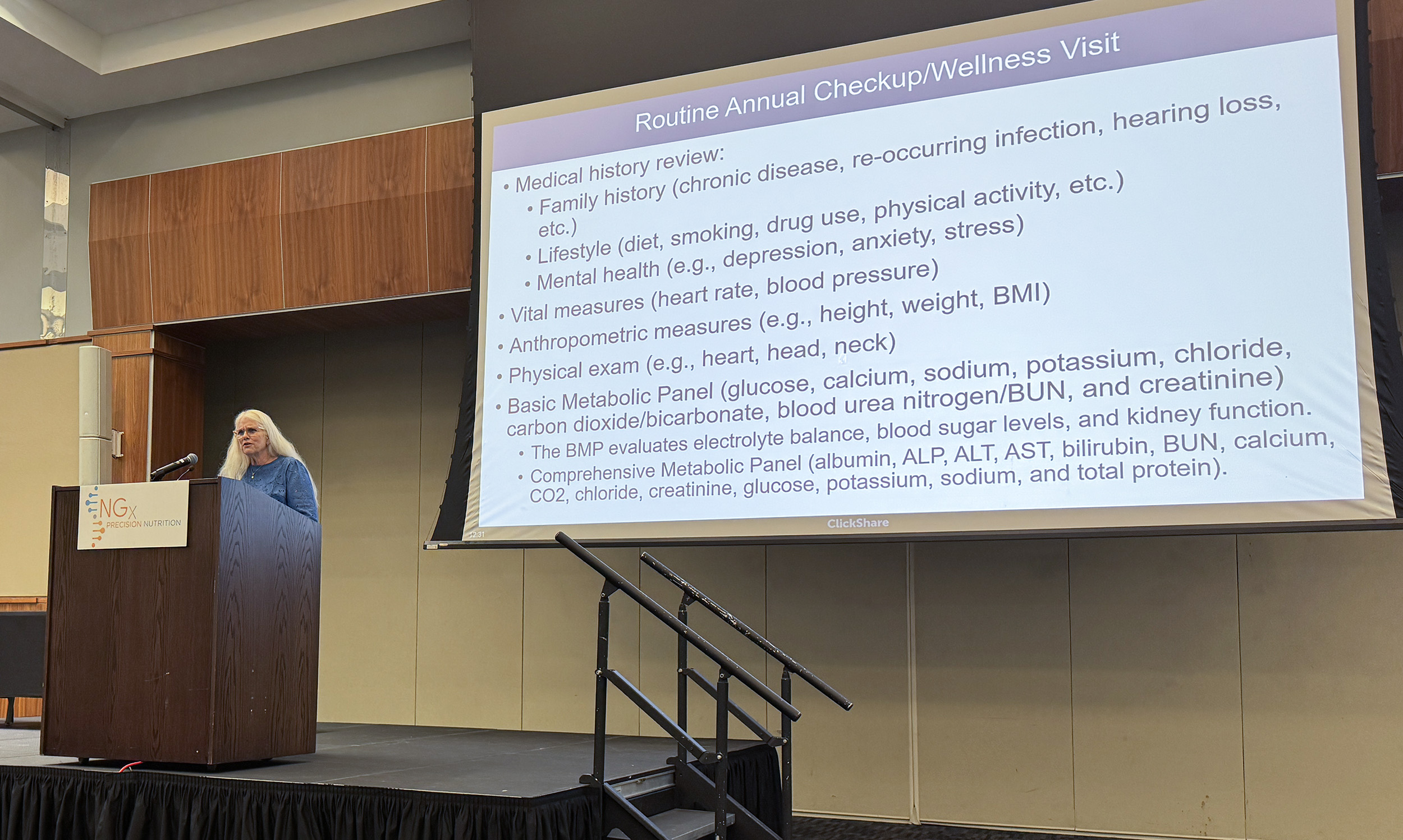
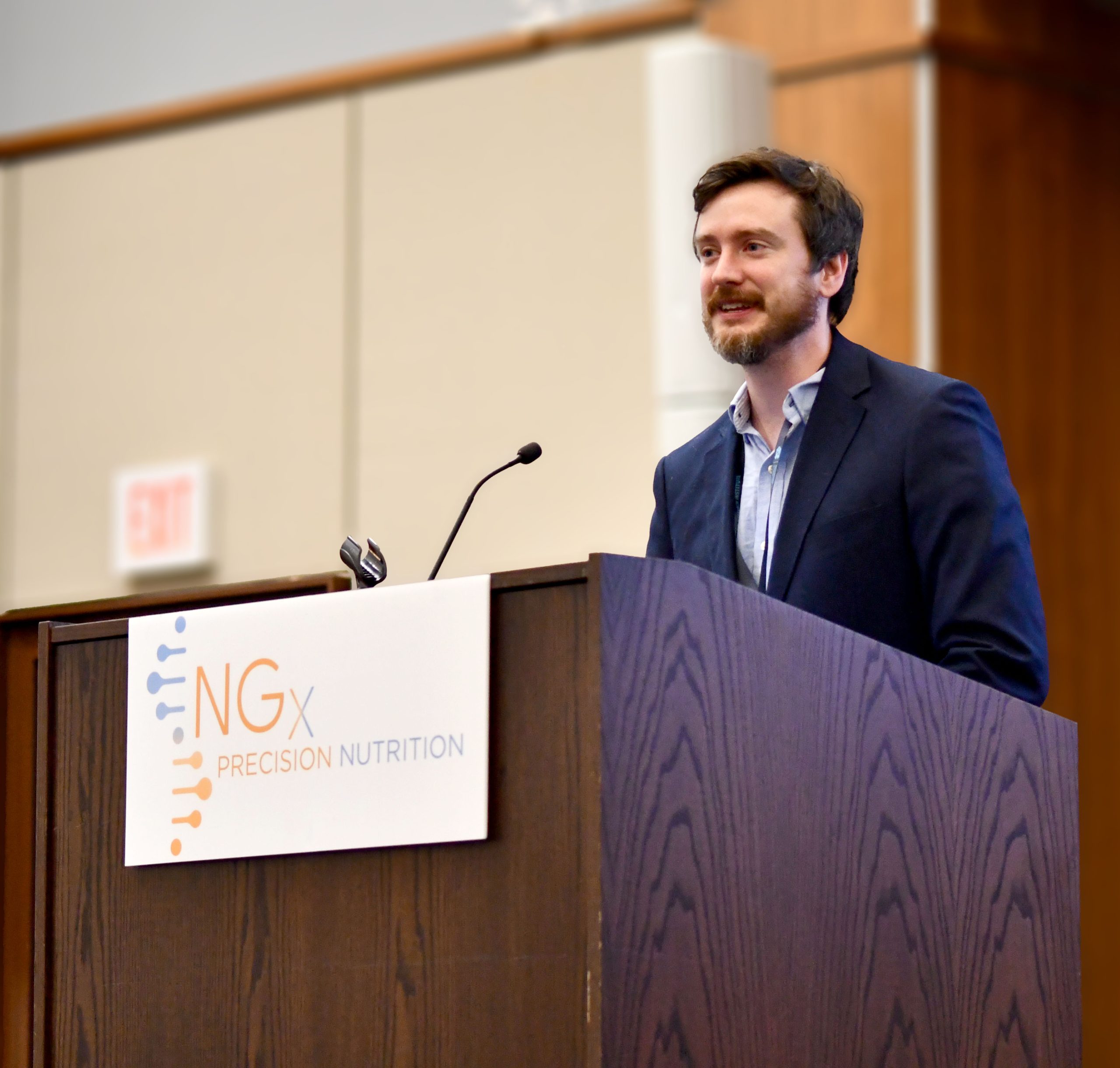
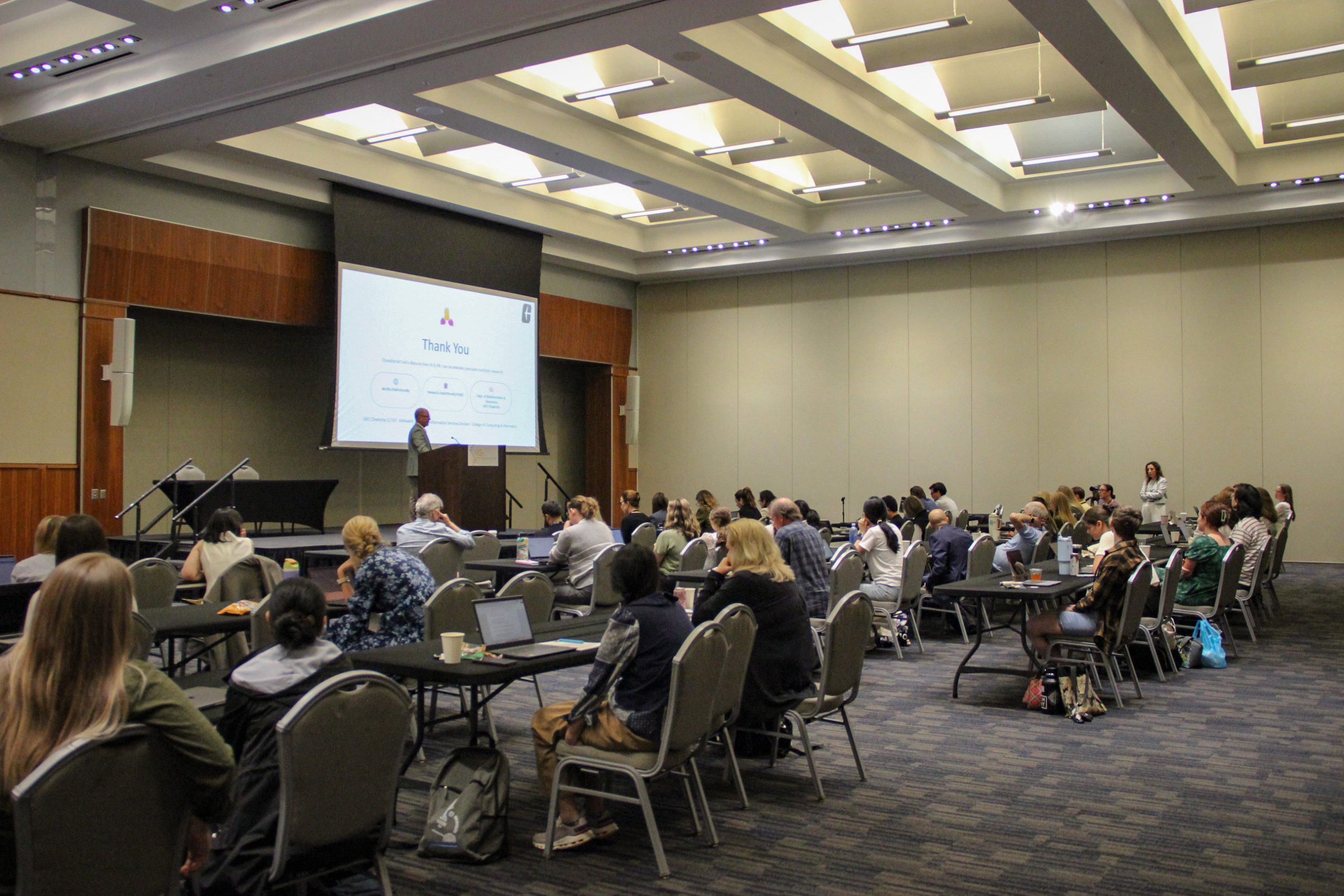
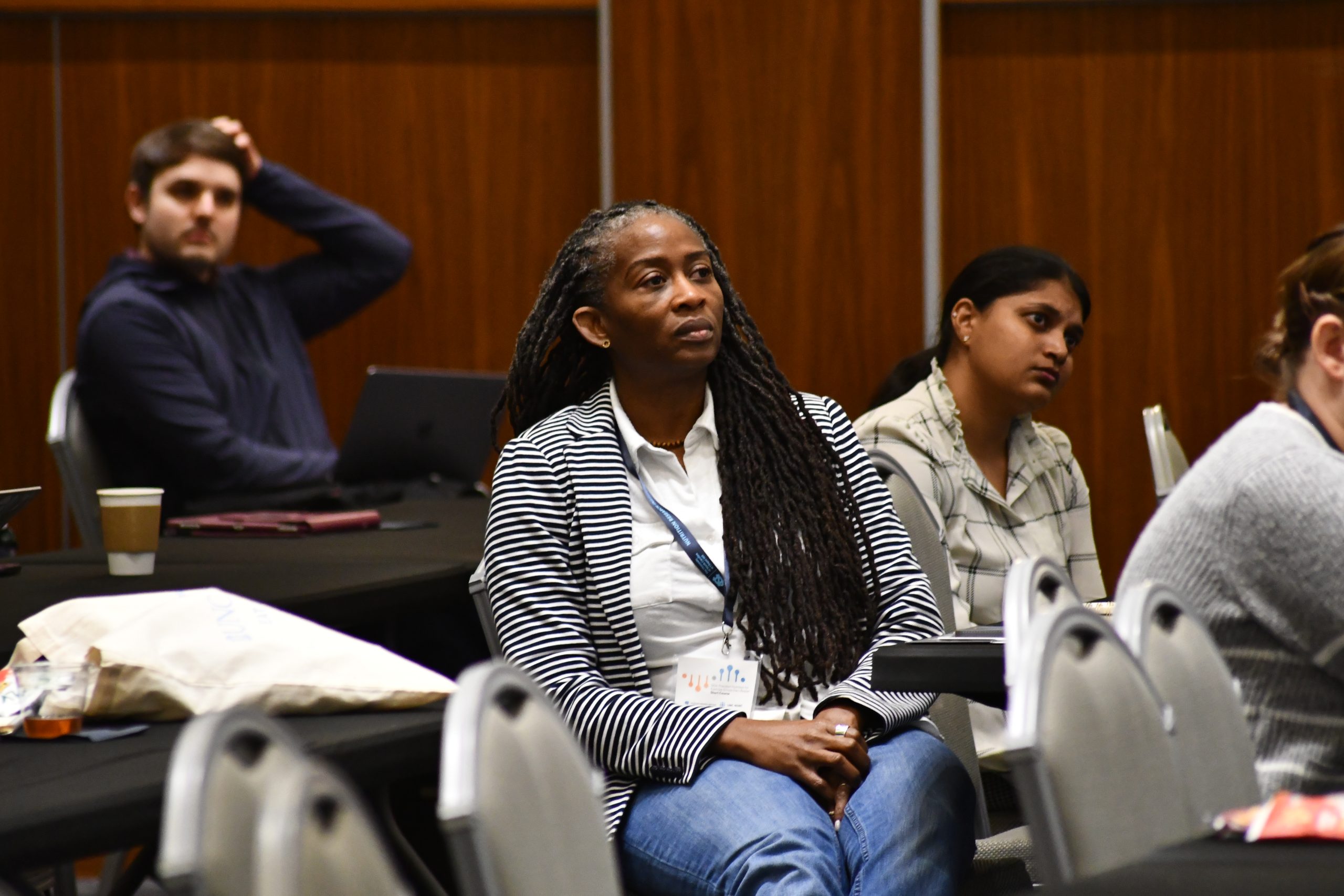
These questions guided the 2026 NGx: Precision Nutrition for Exercise Across the Lifespan short course, hosted by the UNC Nutrition Research Institute, the home of precision nutrition and one of the centers that helped launch this field forward. The four-day program brought together 16 speakers and 70 attendees for a science-rich exploration of how nutrition, exercise, genetics, metabolism, behavior, and health intersect across the lifespan.
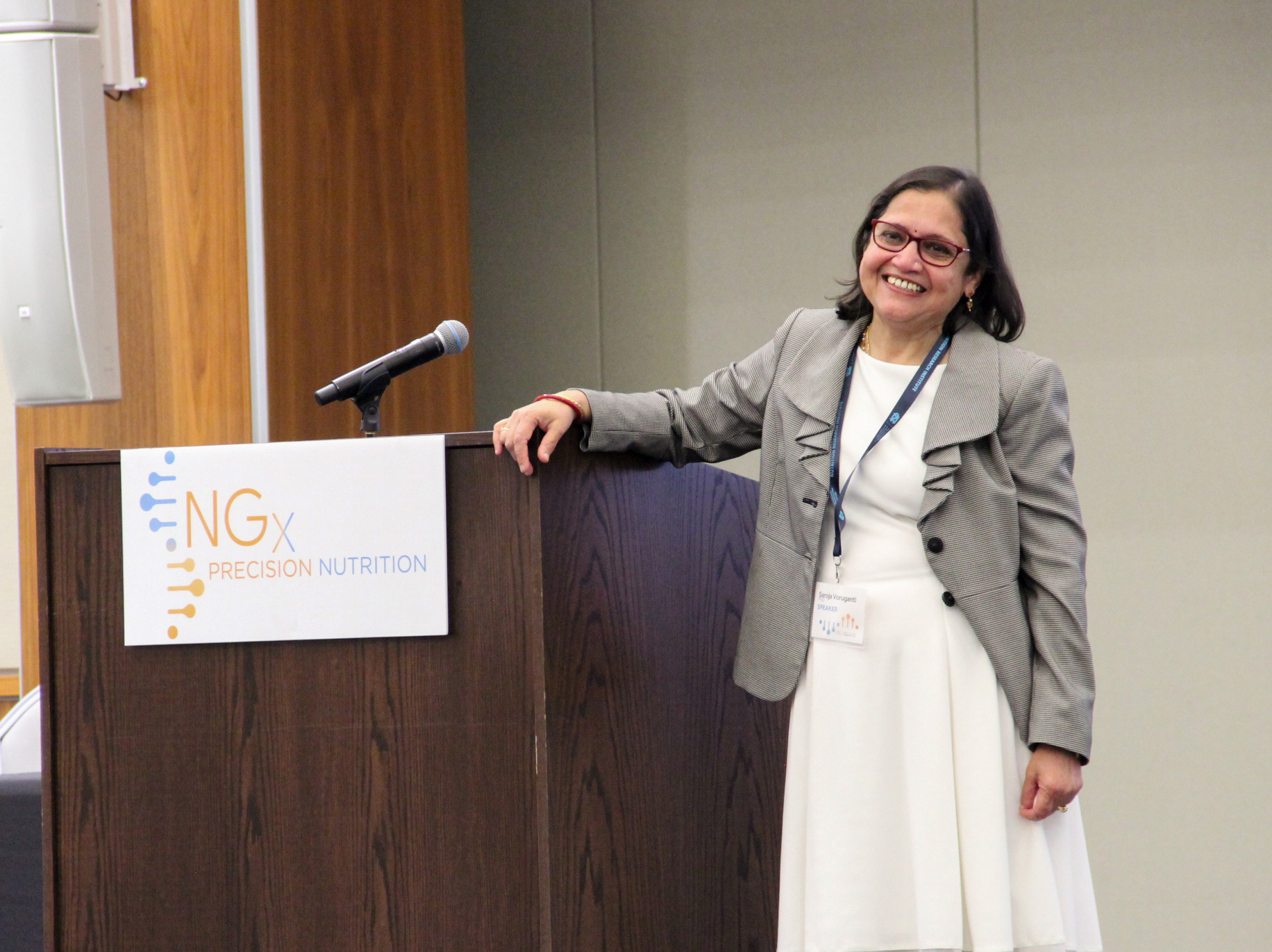
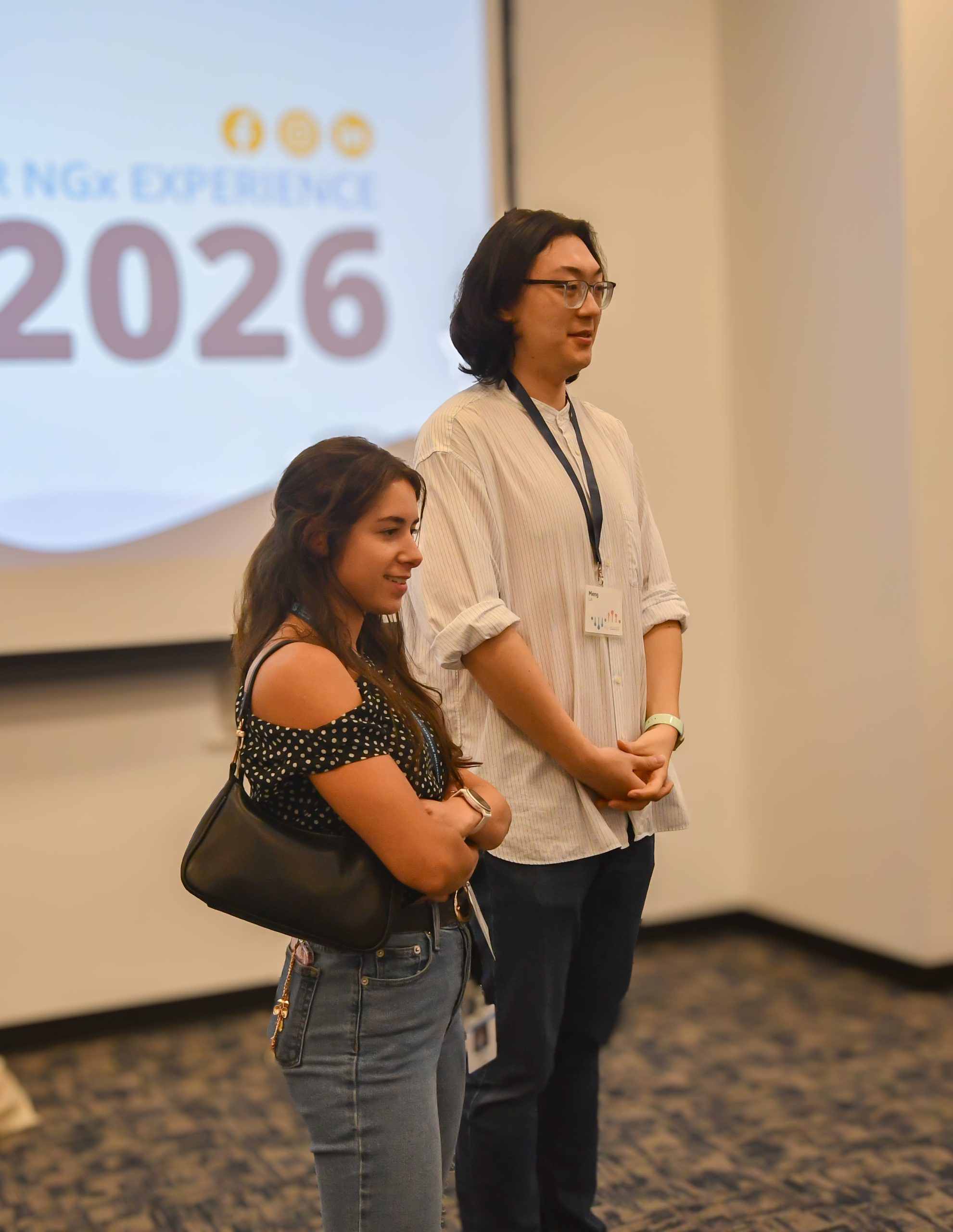
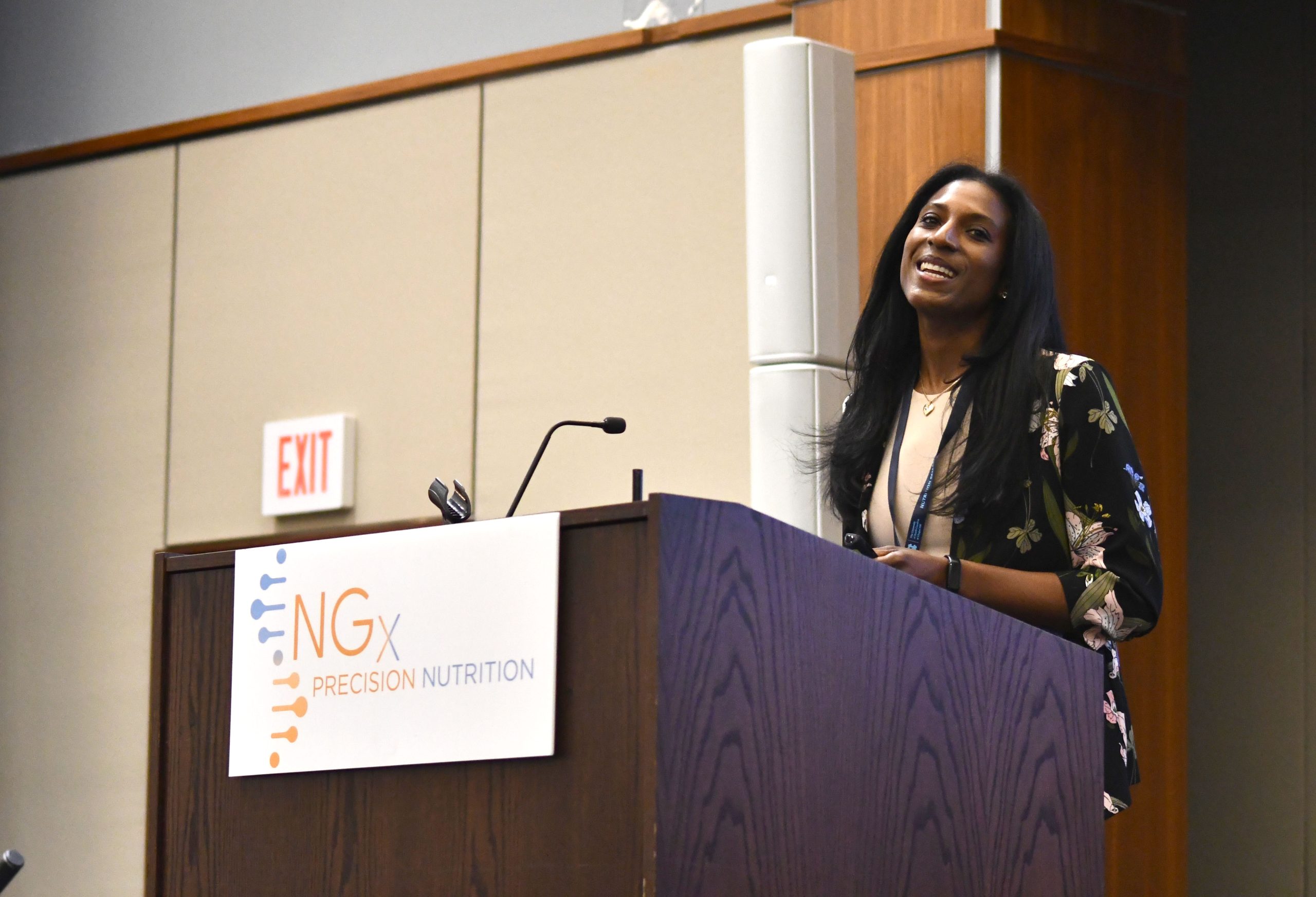
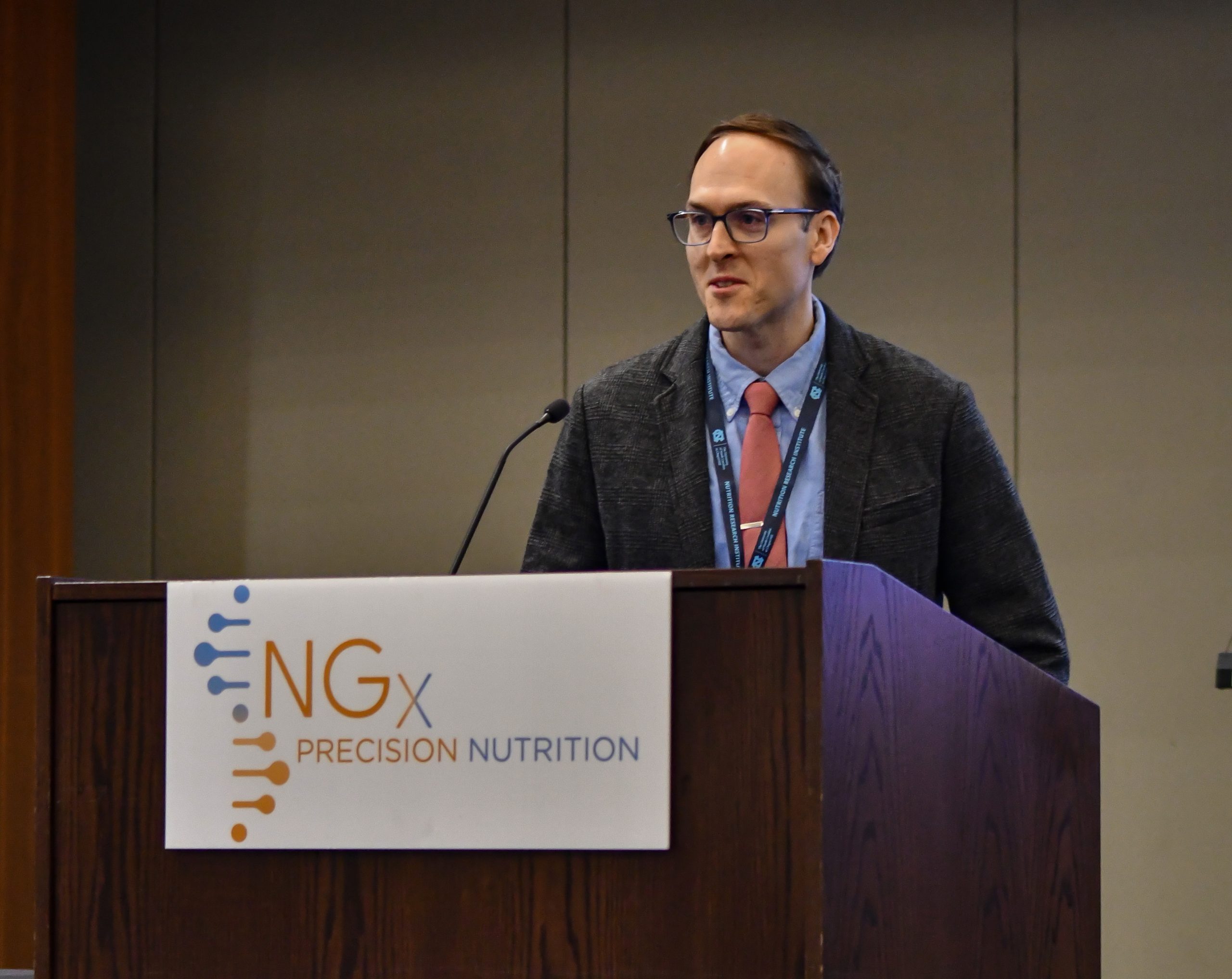
Designed for a broad community of scientists, clinicians and trainees, NGx has been produced by the NRI since 2016. Now in its 8th edition, NGx continues to reflect the NRI’s pioneering role in precision nutrition, bringing people together before these conversations become mainstream. This year’s agenda included a keynote presentation, expert lectures, interactive discussions, a student poster competition, networking opportunities, and hands-on demonstrations through the NRI’s Clinical Research Core.
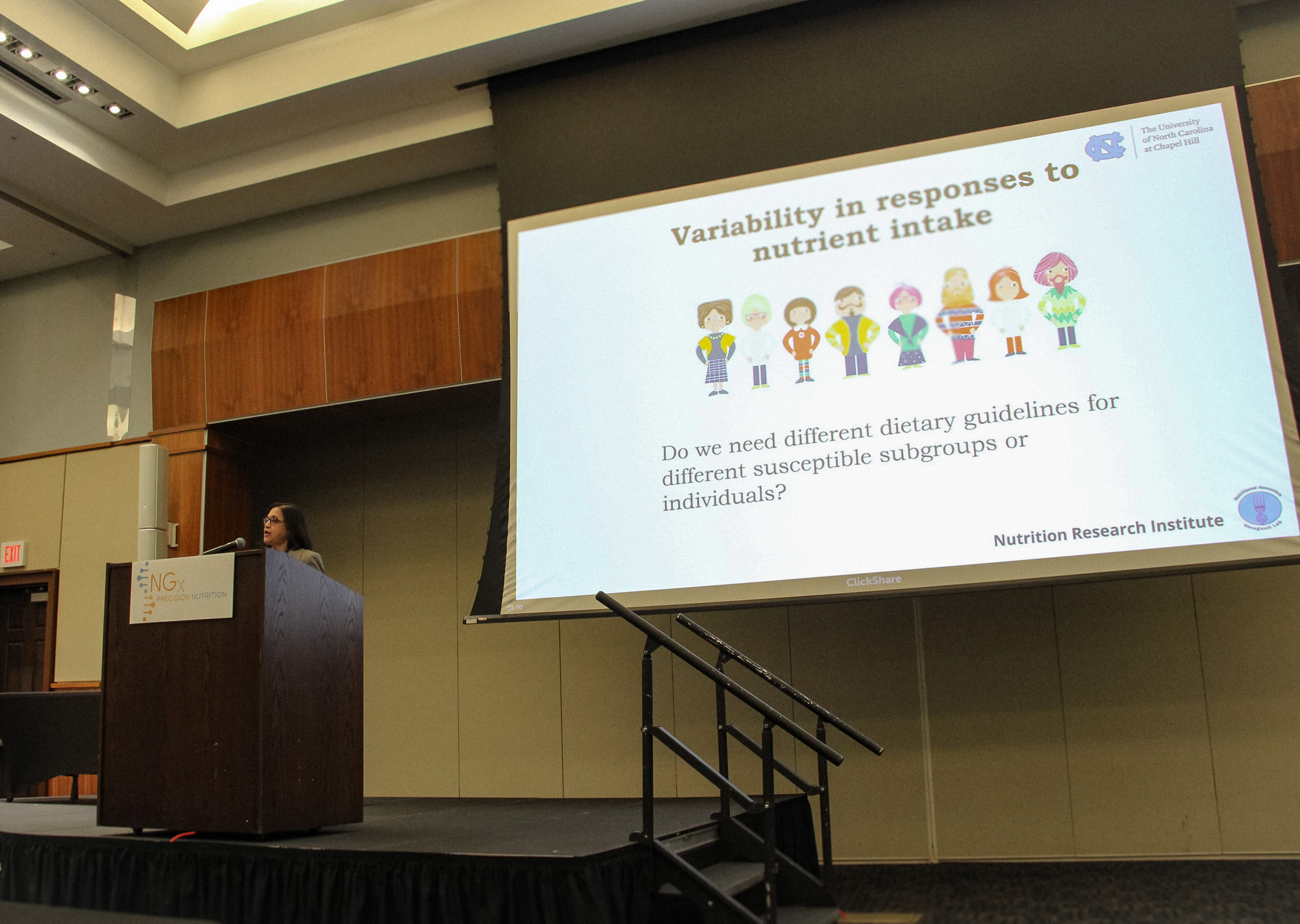
The theme, precision nutrition and physical exercise across the lifespan, reflected a central idea woven throughout the course: health recommendations are becoming increasingly individualized. Rather than asking only what diet or exercise plan works for most people, precision nutrition asks why people respond differently and how those differences can be used to develop more effective strategies for prevention, treatment, and long-term health.
Speakers explored the many factors that shape individual responses to food and physical activity, including age, sex, genetics, epigenetics, the microbiome, disease status, lifestyle, behavior, and social and environmental influences. Presentations emphasized that metabolism is not one-size-fits-all. A food, nutrient, exercise program, or intervention may affect people differently depending on their biology and lived environment.
Early sessions introduced attendees to the genetic and molecular foundations of precision nutrition. Presenters discussed how genetic variation can influence nutrient metabolism, disease risk, and response to dietary intake. Examples ranged from well-known gene-nutrient relationships, such as lactose tolerance and folate metabolism, to emerging research on sugar-sweetened beverages, uric acid, liver fat, and cardiometabolic risk.
Presentations examined physical activity in the context of obesity treatment, vascular aging, women’s health, maternal health, energy balance, and cardiometabolic function. Across these sessions, a consistent message emerged: exercise is not simply a tool for weight management. It affects muscle quality, metabolic flexibility, cardiovascular health, insulin sensitivity, body composition, mood, function, and long-term disease risk.
Across several presentations, speakers examined how nutrition and exercise needs shift throughout the lifespan. Speakers discussed maternal exercise and its potential effects on infant metabolism and body composition, as well as the role of exercise physiology in advancing women’s health during perimenopause. These sessions underscored the importance of studying health across life stages, from early development to midlife and beyond. They also reinforced the need for research designs that account for hormonal, metabolic, and behavioral complexity rather than treating all participants as biologically interchangeable.
As precision nutrition grows more individualized, researchers are also rethinking how health itself is measured. Several presentations explored how technologies such as metabolomics, clinical phenotyping, AI-informed analysis and data integration are helping researchers define what health looks like at a molecular level. Metabolomics, for example, can measure thousands of small molecules circulating in the body, offering a more detailed picture of diet, lifestyle, environmental exposures, microbial metabolism, and disease risk. Multi-omics approaches build on that by integrating data from multiple biological layers, such as genes, proteins, metabolites, and epigenetic markers, to reveal patterns that may not be visible through a single type of measurement.
These tools are helping move the field toward a more comprehensive understanding of health. Rather than relying only on traditional clinical measures, researchers are working to identify molecular signatures associated with healthy lifestyles, chronic disease risk, exercise response, and targeted interventions. Presentations on metabolomics and multi-omics showed how lifestyle factors such as physical activity, dietary patterns, environmental exposures, and body composition may leave detectable biological signatures that can help guide more personalized approaches to health promotion and disease prevention. AI was also part of this broader conversation, not as a replacement for scientific judgment, but as an emerging tool to help researchers manage complexity, integrate large datasets, and ask better precision health questions.
While much of the course focused on molecular and physiological complexity, several sessions examined the human behaviors that shape nutrition and health outcomes. Sessions explored the behavioral and physiological pathways involved in eating patterns, hunger, satiety, emotional eating, and chronic disease risk. Speakers emphasized that nutrition and exercise recommendations must also account for stress, environment, access, and lived experience. Precision nutrition, in this sense, is not only about genes and biomarkers. It is also about understanding people.
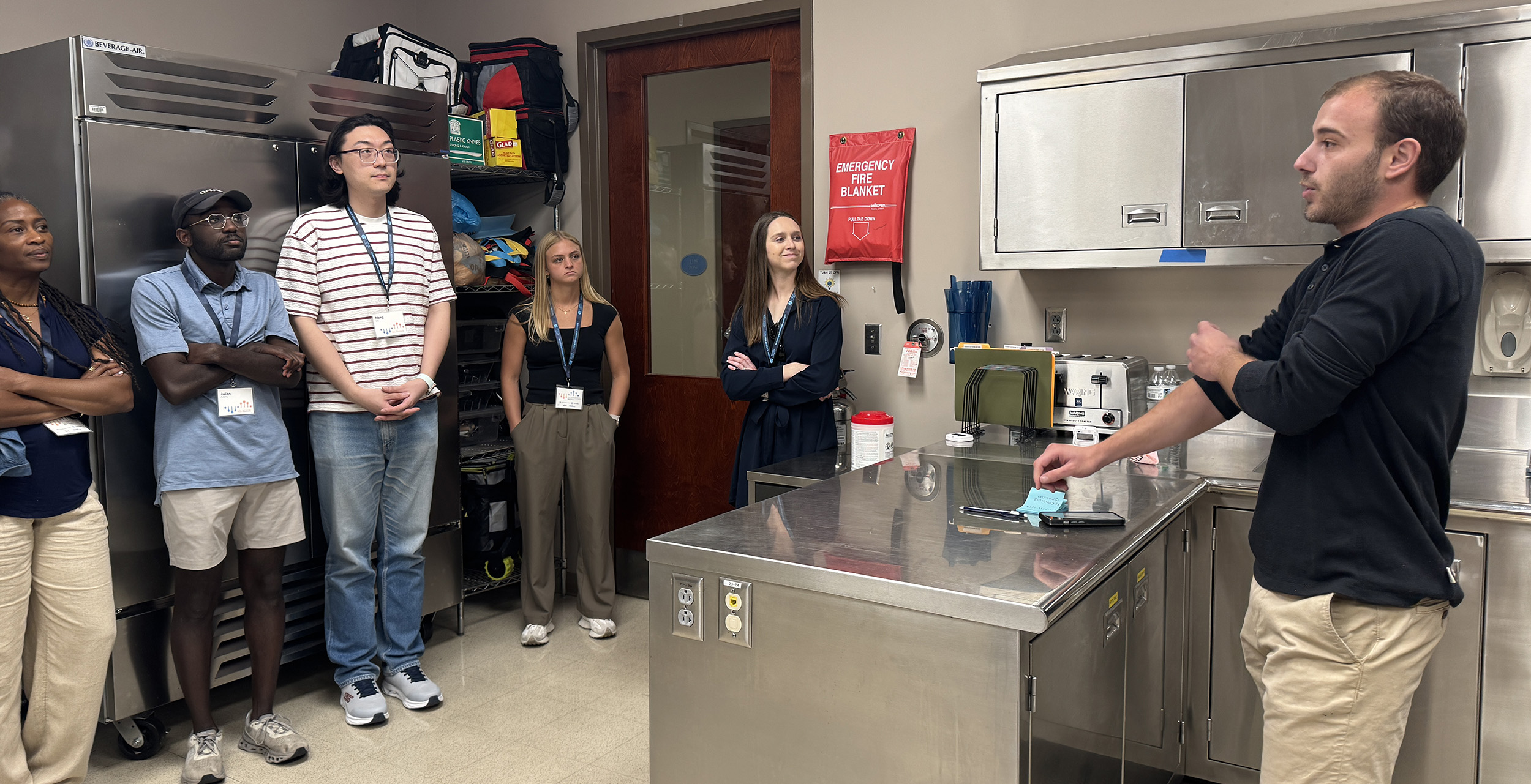
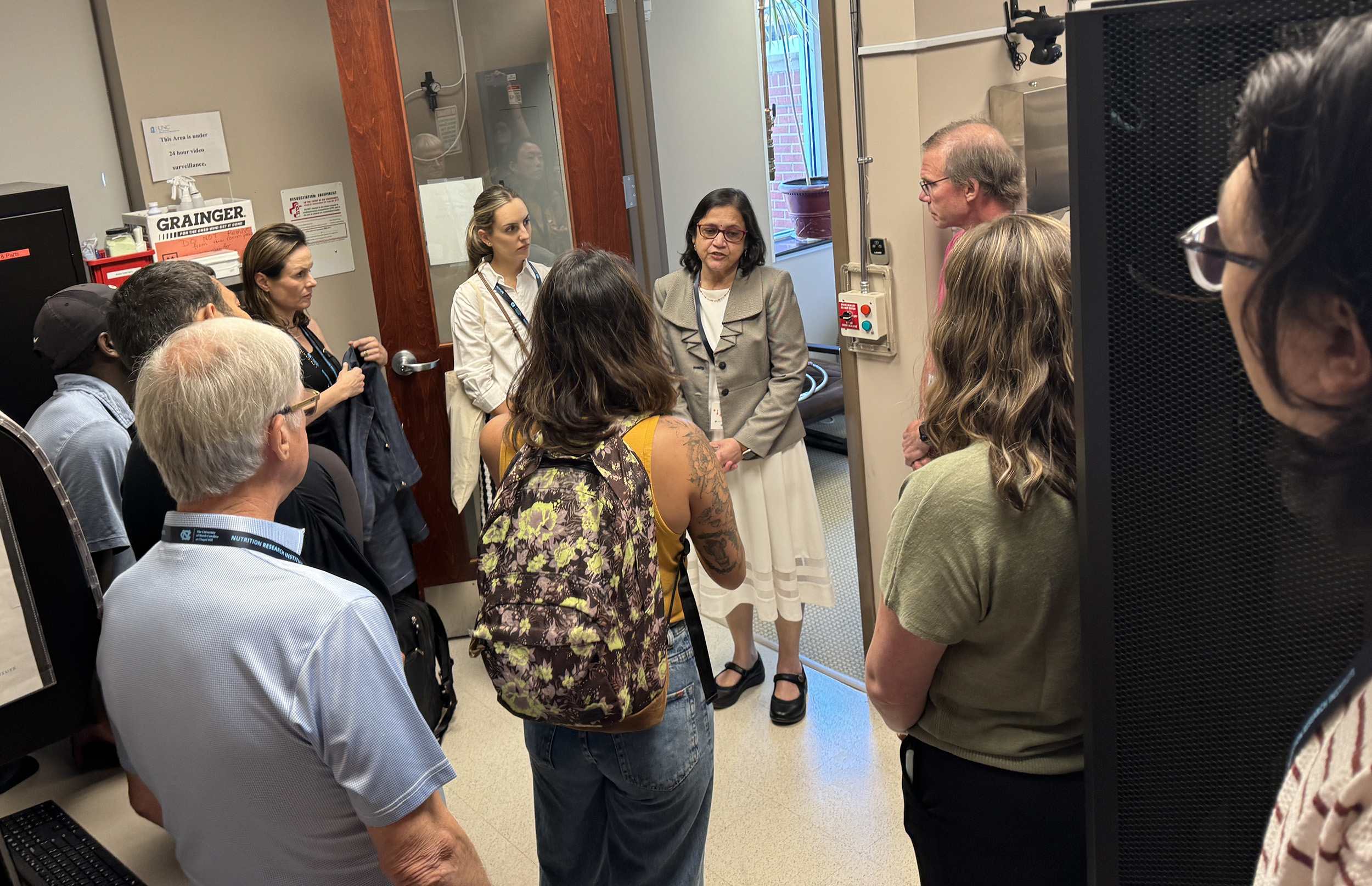
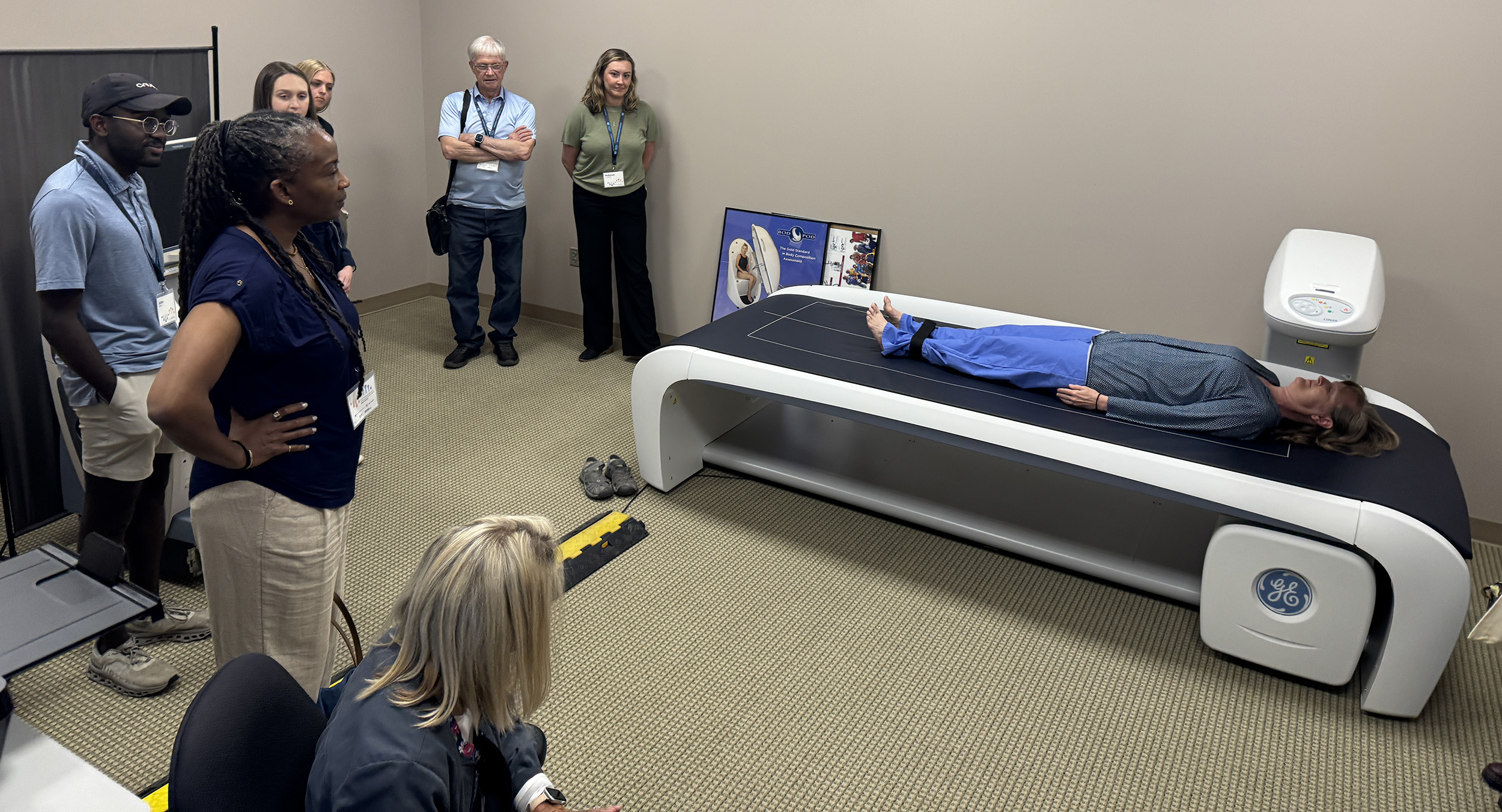
A signature feature of NGx was the hands-on workshop and tour at the NRI, where attendees experienced research tools and demonstrations connected to body composition and metabolic health. The Clinical Research Core demonstrations, including tools such as DEXA and FibroScan, gave participants a closer look at the methods used to assess bone density, body composition, liver health, and other indicators relevant to nutrition and exercise science. That connection is part of what makes NGx different: attendees are not only hearing about precision nutrition, they are seeing the tools, people, and infrastructure that make it possible.
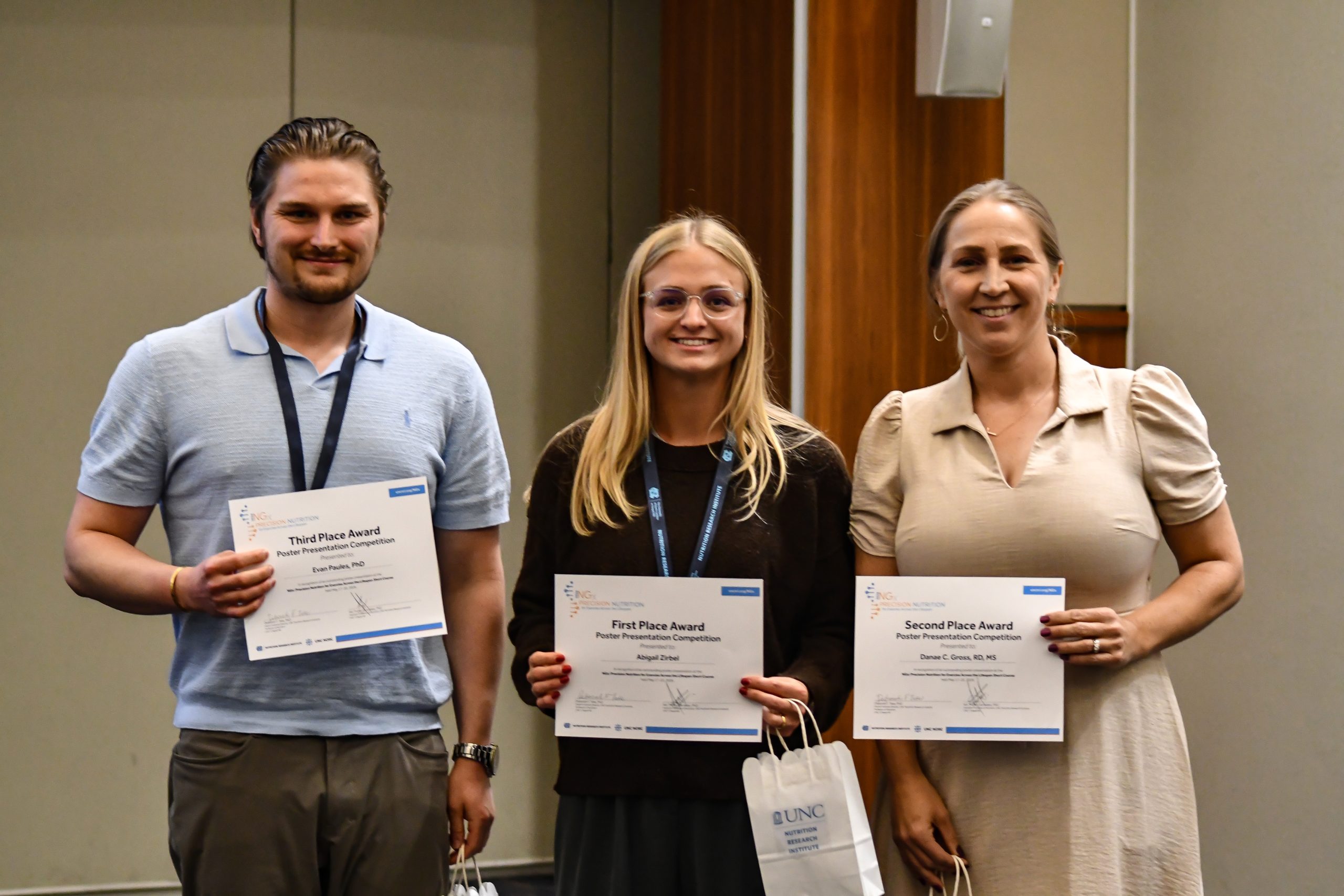
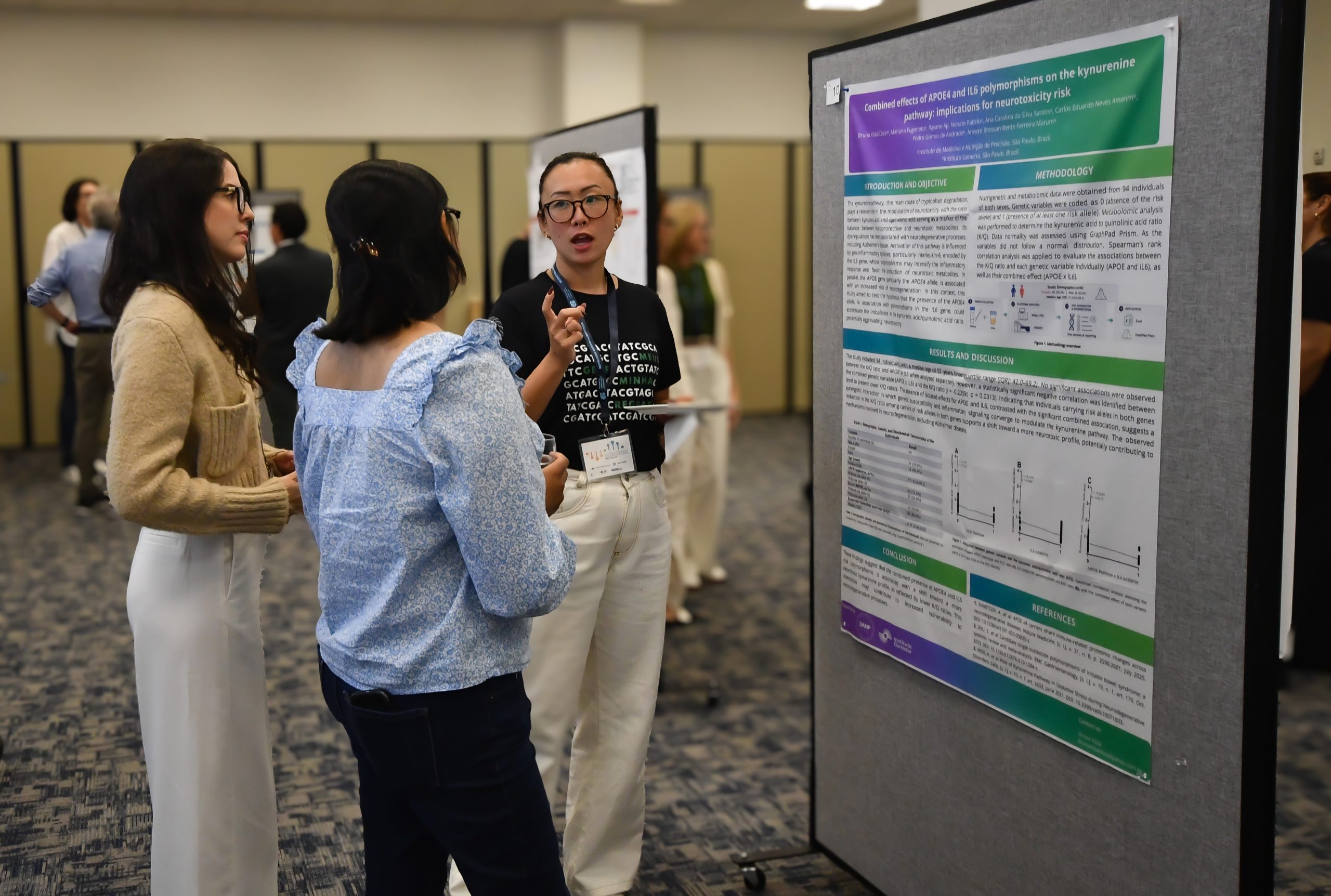
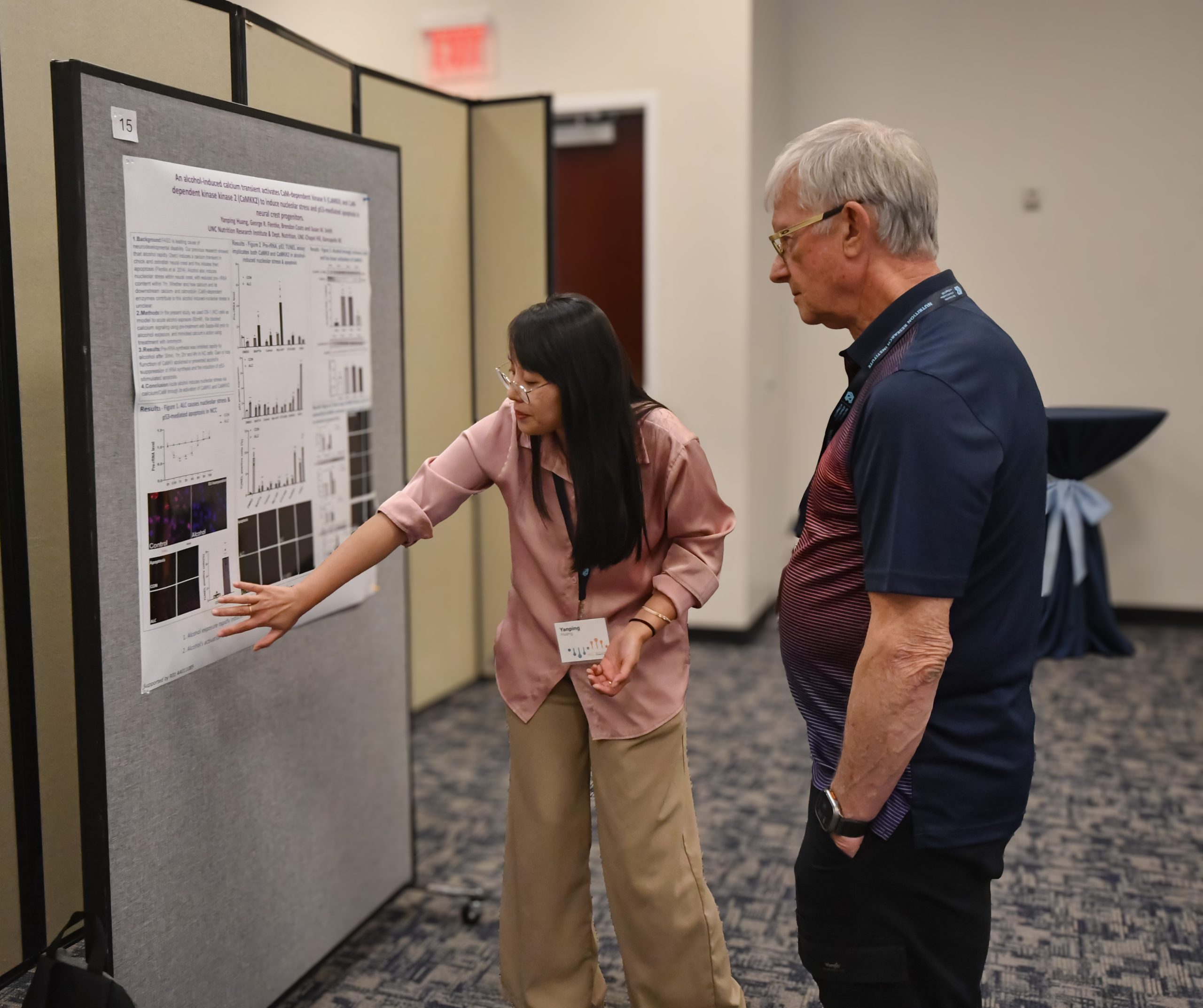
Beyond the scientific sessions, NGx also created space for emerging researchers. This year’s poster presentation featured 16 posters, providing students and trainees the opportunity to share their work, discuss ideas with researchers and clinicians, and receive feedback from the NGx community. The top three poster awards were presented to Abigail Zirbel of the University of Arkansas, Danae Gross of UNC-CH, and Evan Paules of the NRI.
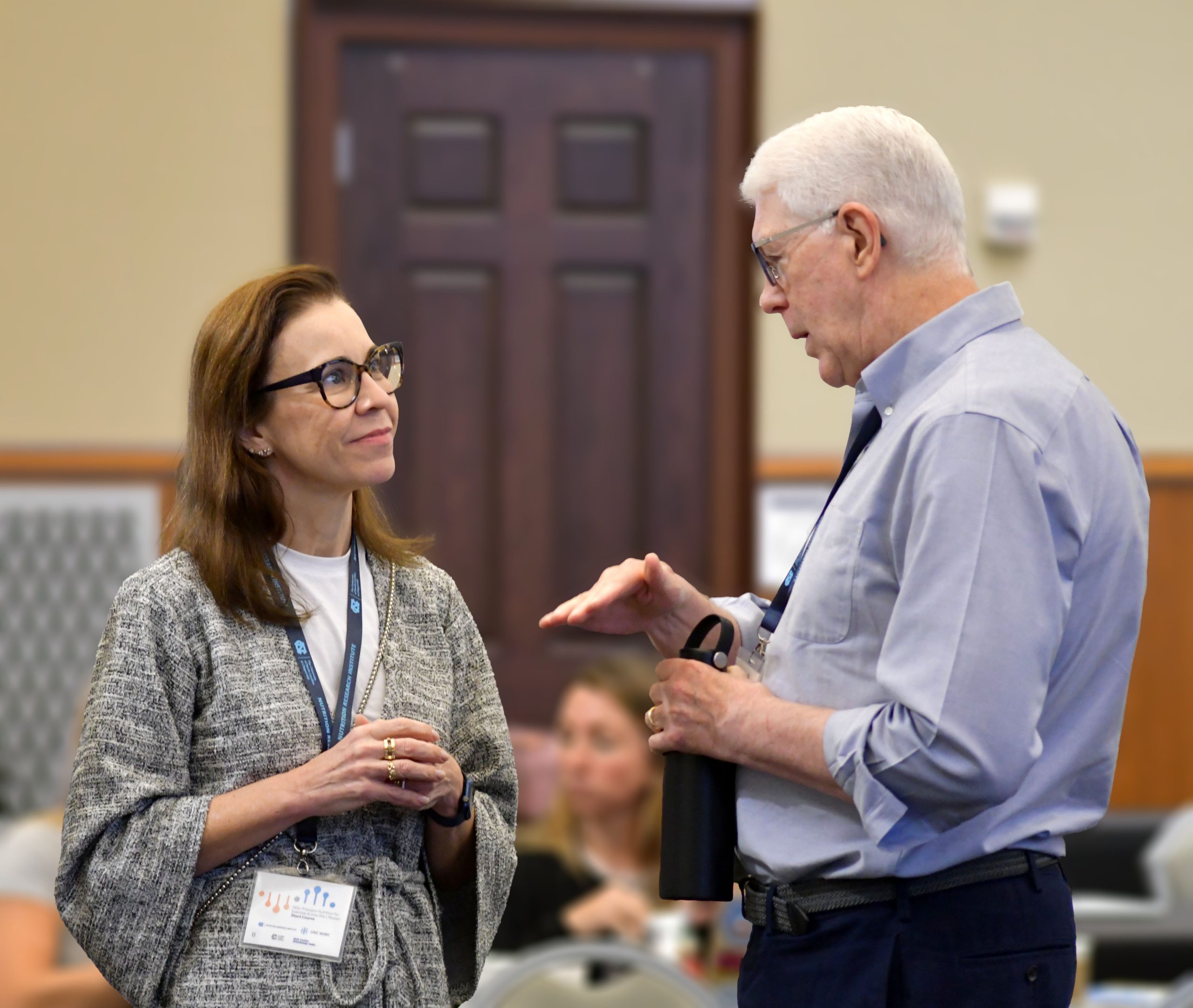
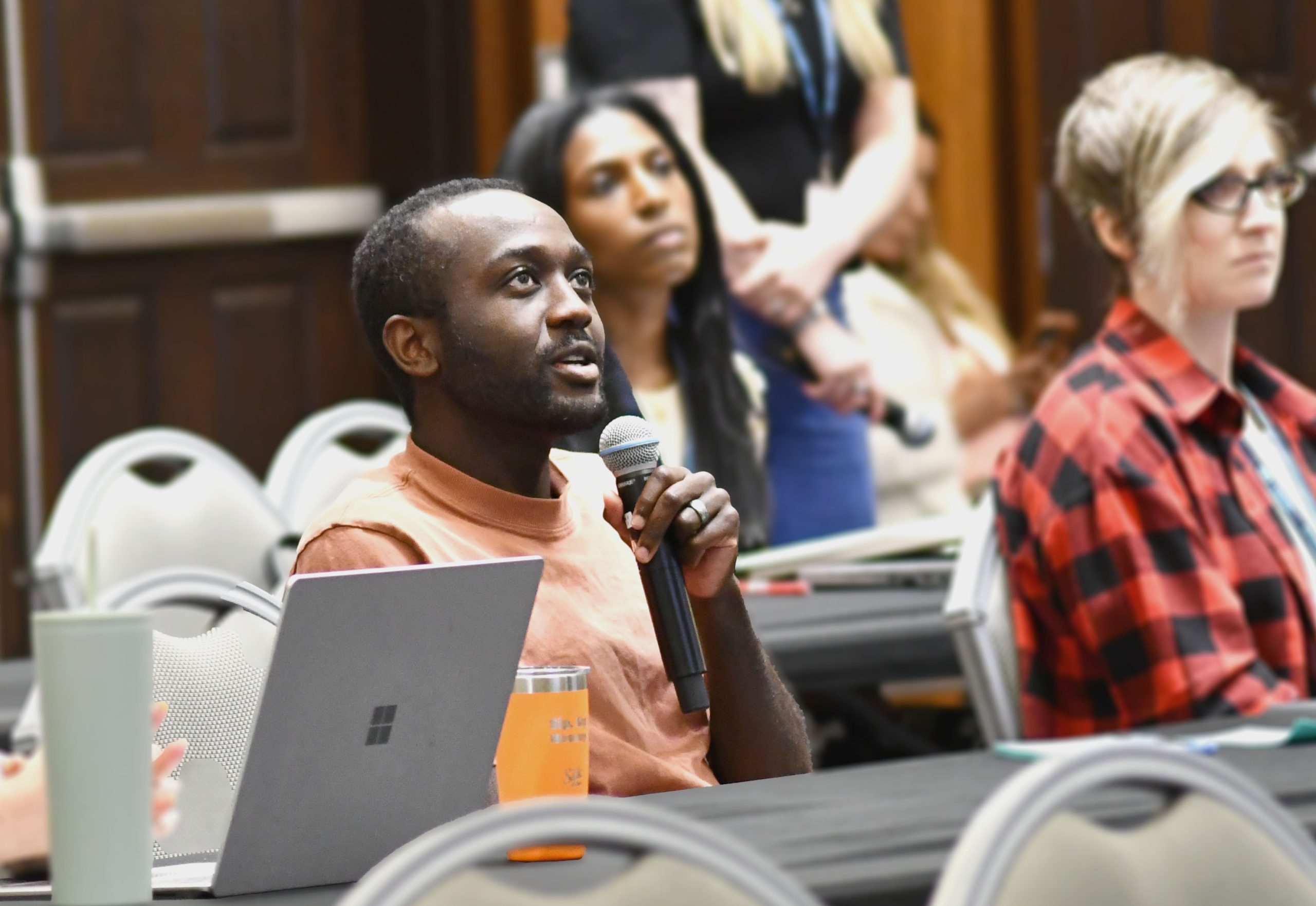
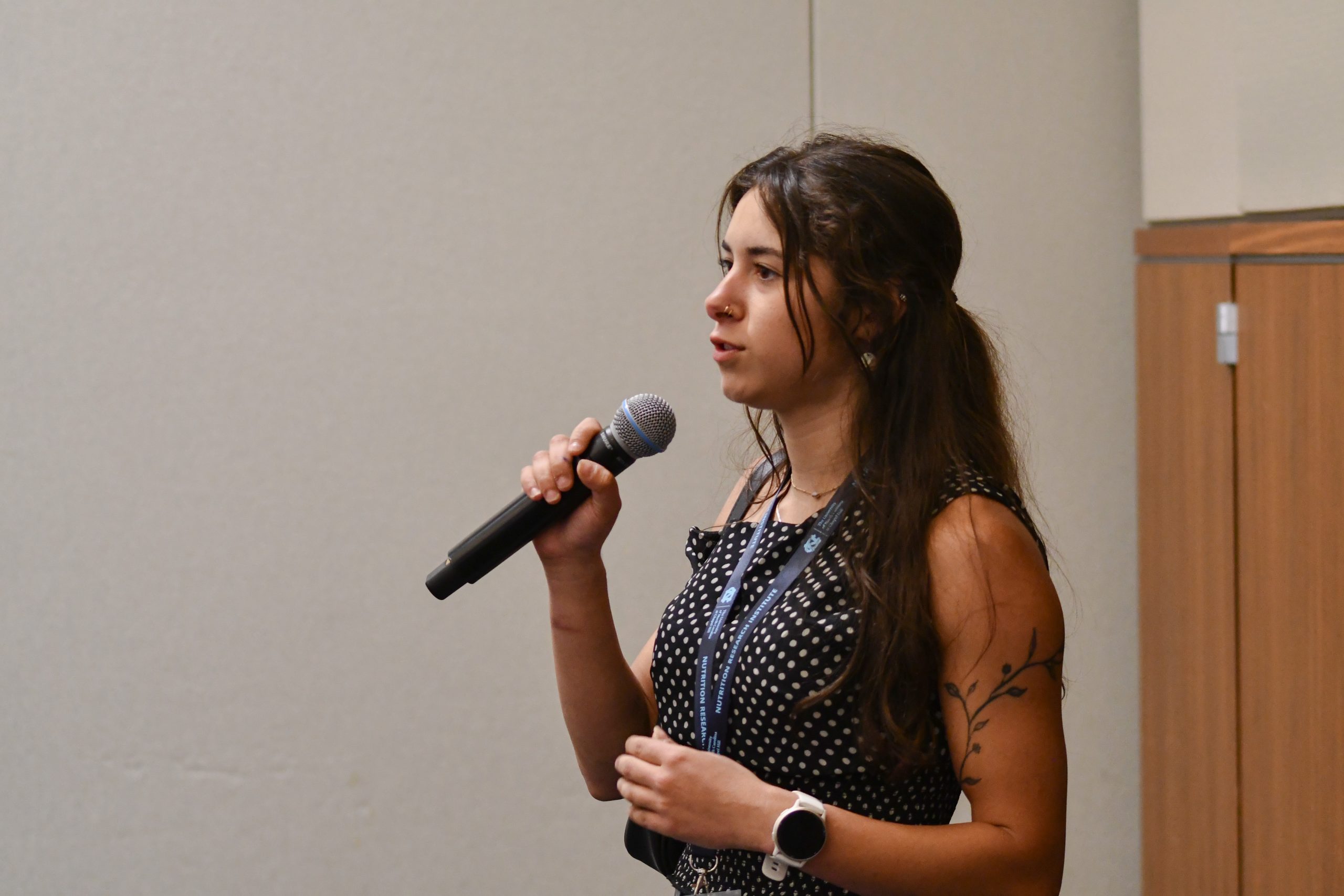
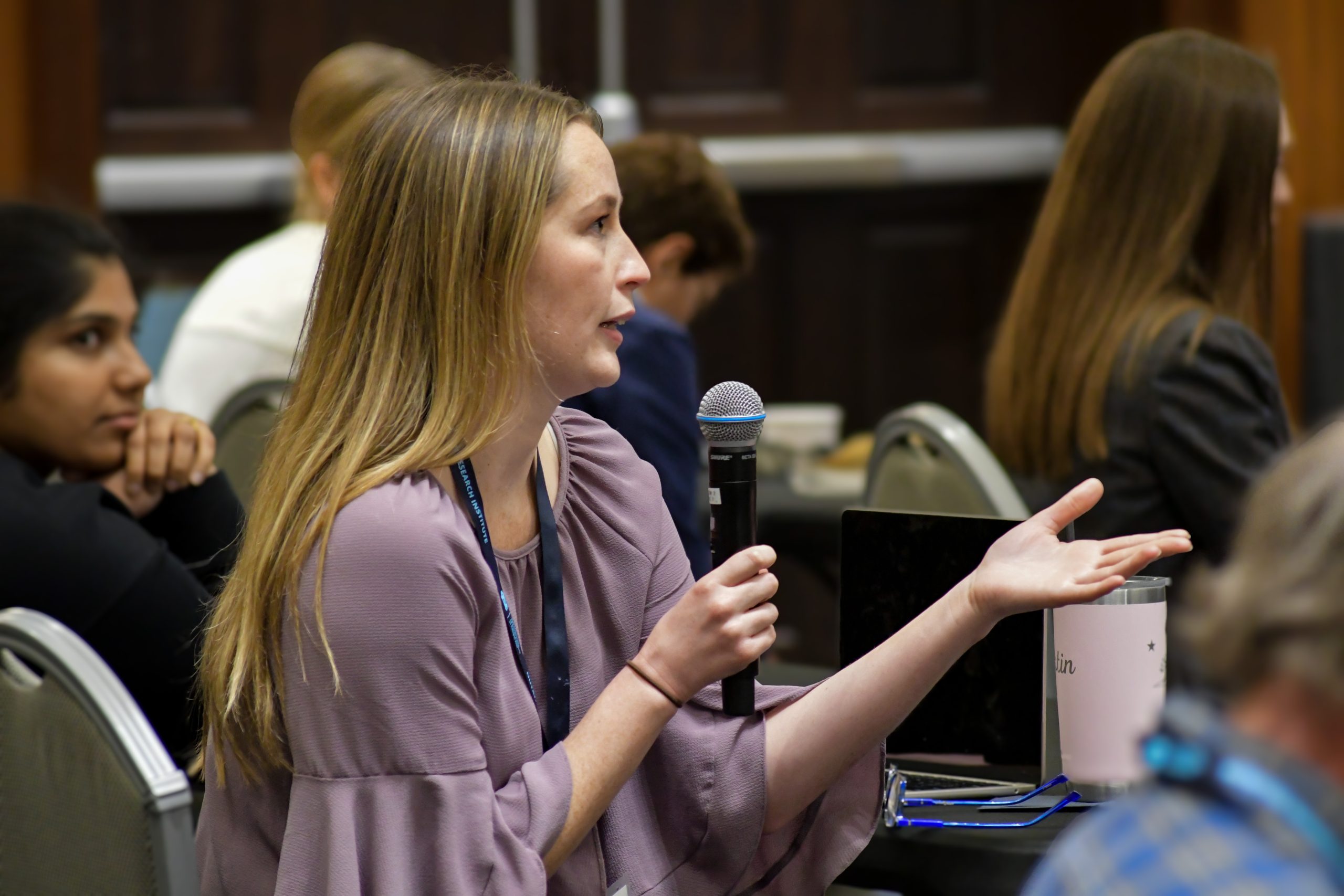
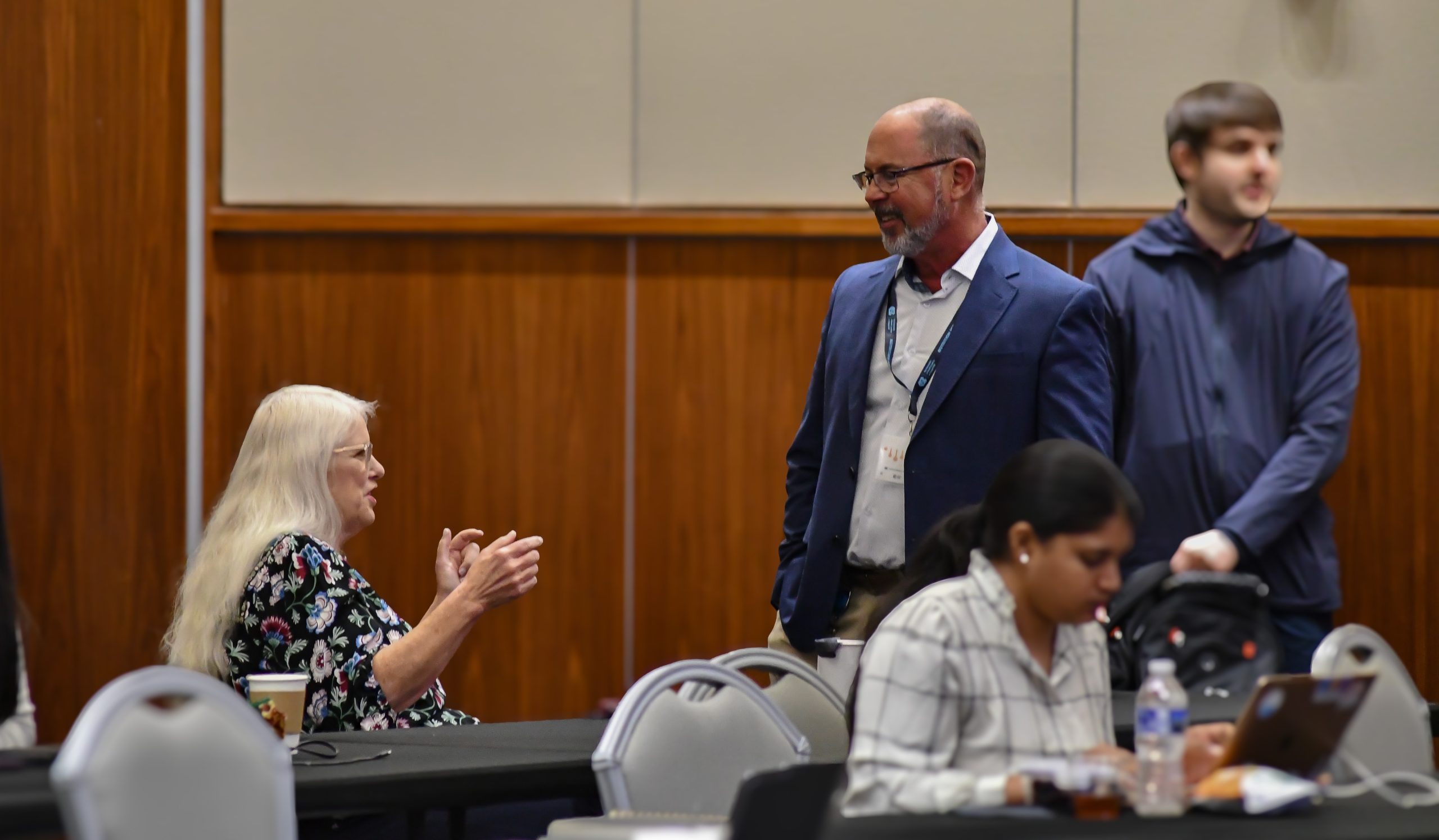
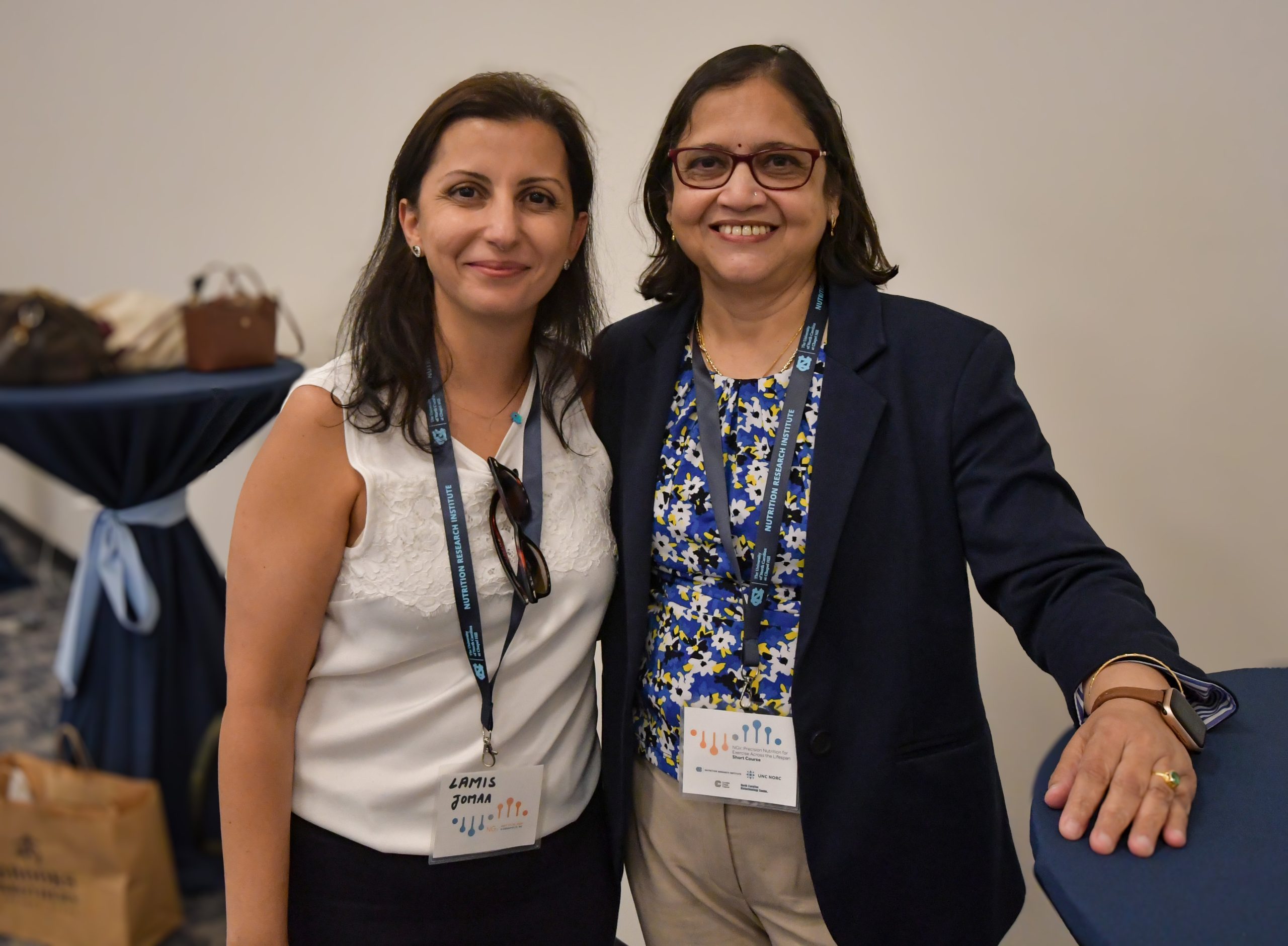
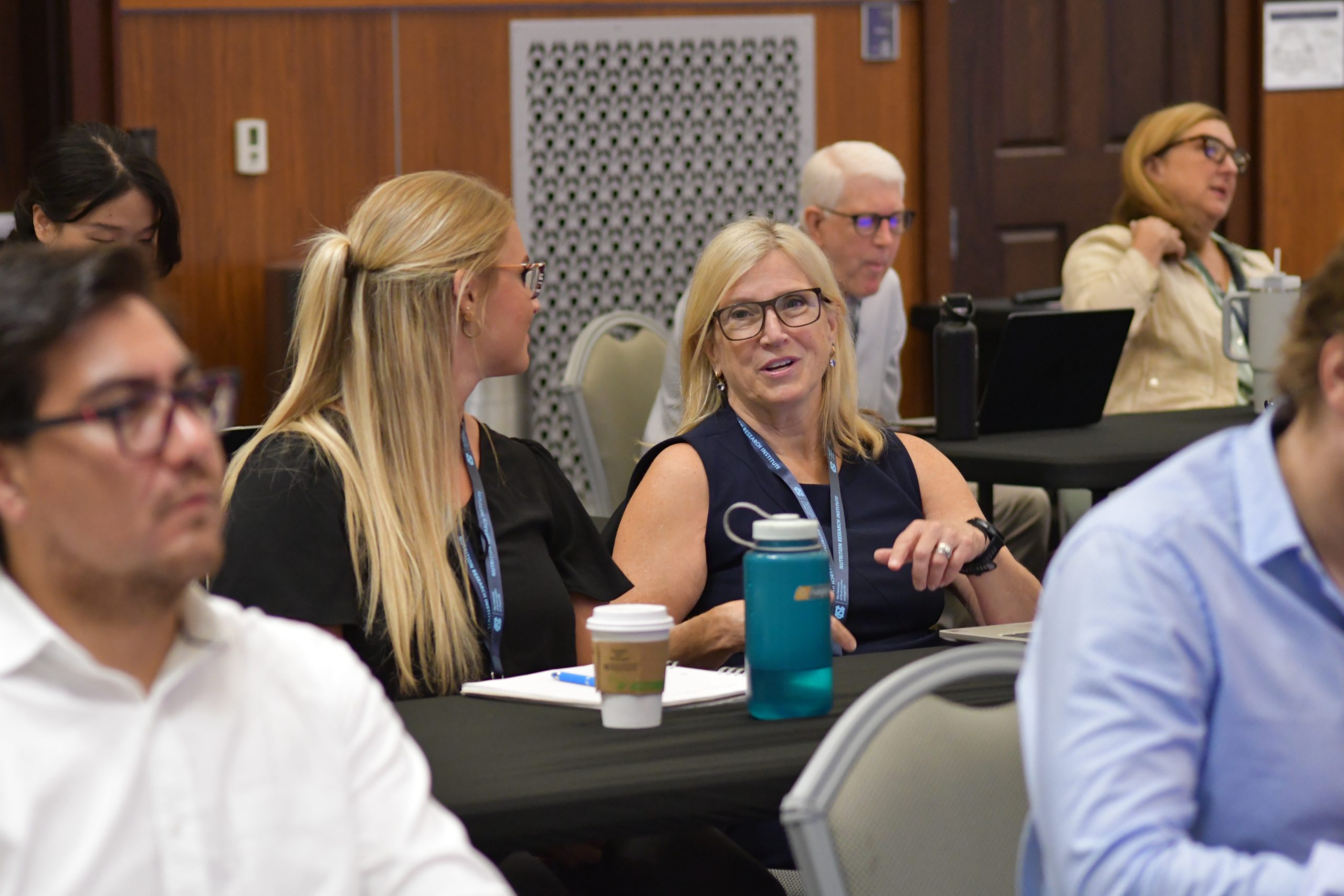
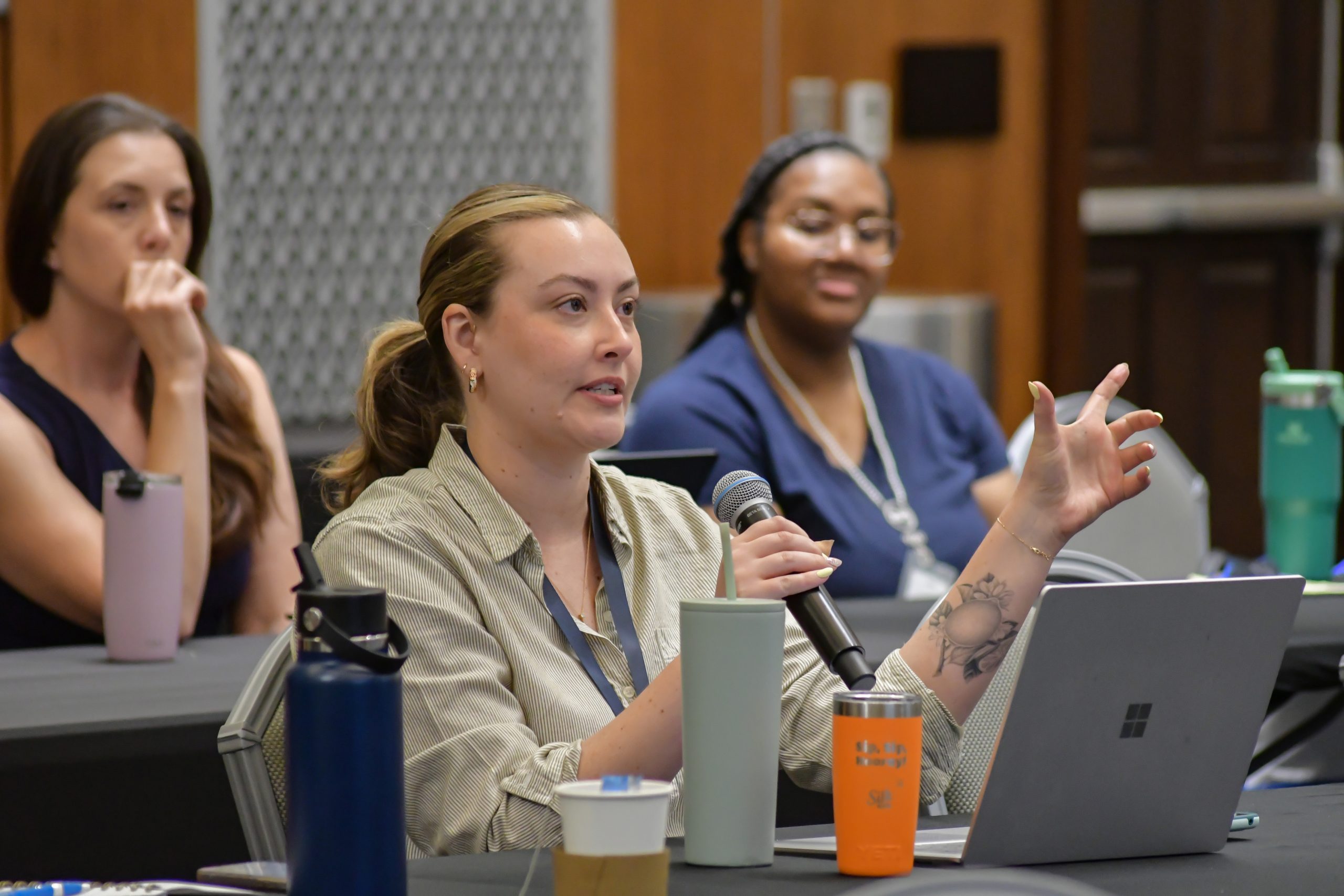
Throughout the course, attendees engaged with speakers through questions, discussion, networking, and informal conversation. That exchange is central to the purpose of NGx. By bringing together experts from different fields, including nutrition, exercise physiology, genetics, metabolomics, behavioral science, obesity treatment, women’s health, maternal health, and data science, the short course helps participants see how their work fits into the large, rapidly evolving field.
The 2026 NGx short course made clear that the future of nutrition and exercise research will require collaboration across disciplines. It will require better tools, more diverse data, and a deeper understanding of how biology, behavior, environment, and lifestyle interact over time. Most importantly, it will require translating scientific discovery into approaches that can improve health for individuals and communities.
The NRI extends its appreciation to the speakers, attendees, poster presenters, volunteers, and organizers who made this year’s program possible. The institute also thanks its sponsors and partners for their support of NGx and its continued role in advancing precision nutrition research.
As NGx continues to grow, its purpose remains clear: to bring together current and future leaders in nutrition sciences and other disciplines and provide a space where emerging research can inform the next generation of discovery, collaboration, and health impact. Eight editions in, NGx remains what it was designed to be: a forward-looking space for the people building the future of precision nutrition.
A Visual Journey Through NGX
Experience the Highlights of NGX 2026



Reflections from NGx Attendees
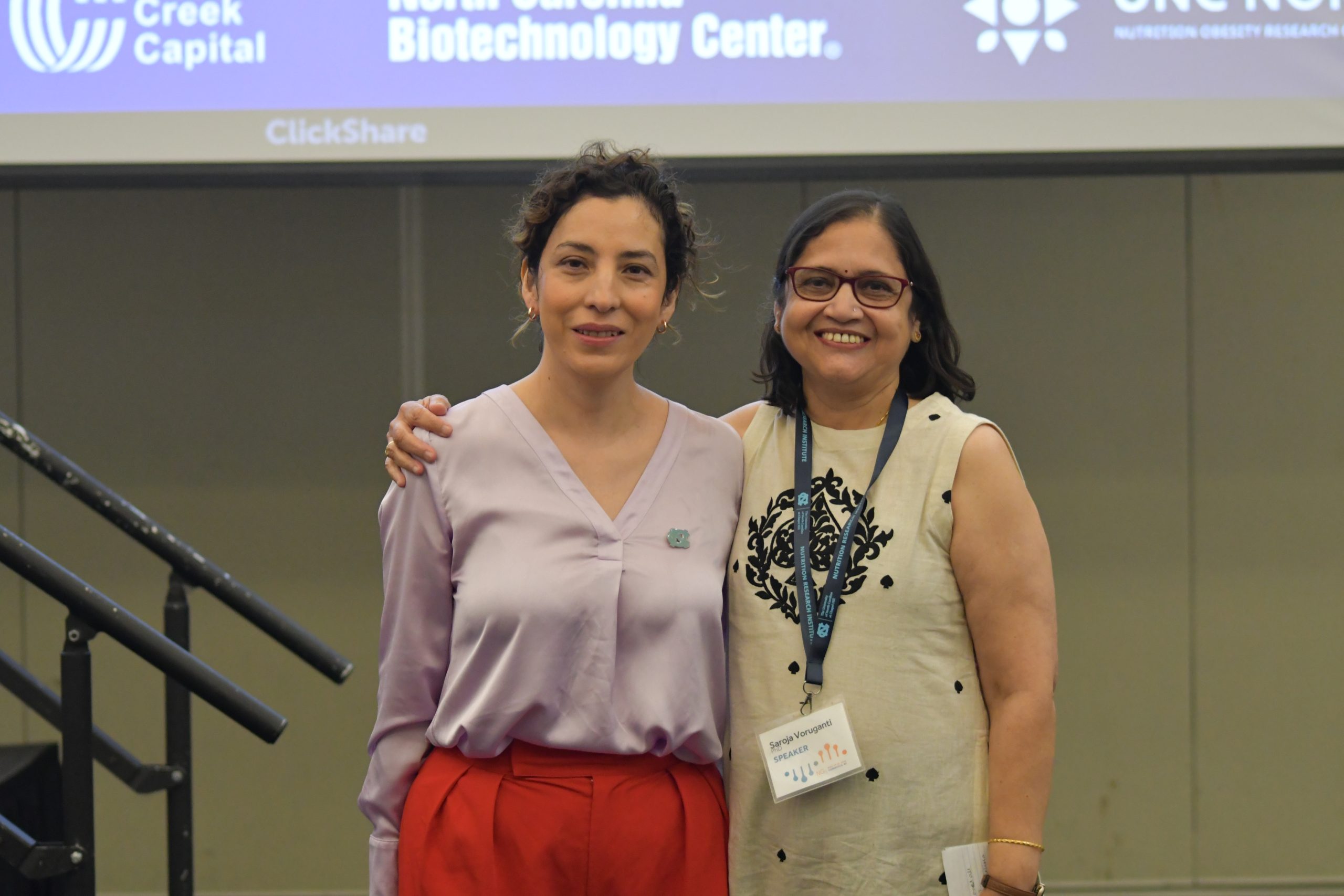
"Congratulations to the UNC Nutrition Research Institute team and conference organizers, Drs. Isis Trujillo and Saroja Voruganti, on an impactful and stimulating conference."

Molly Bray, PhD
Professor and Chair, Department of Nutritional Sciences, University of Texas
"Grateful to have spent the week at NGx 2026! I met some wonderful scientists doing incredible and important work."

Emily Clarke, MA, RD, LDN
Project Manager, UNC Chapel Hill
“I had the opportunity to attend NGx, where I learned, connected with others in the field, and was honored to receive first place in the poster competition. The program was filled with excellent speakers, workshops, networking opportunities and meaningful sense of community.”

Abigail Zirbel
M.S. Student, University of Arkansas