
Discover What's New in Nutrition Research
Stay informed with weekly stories on nutrition research, discoveries, and events.
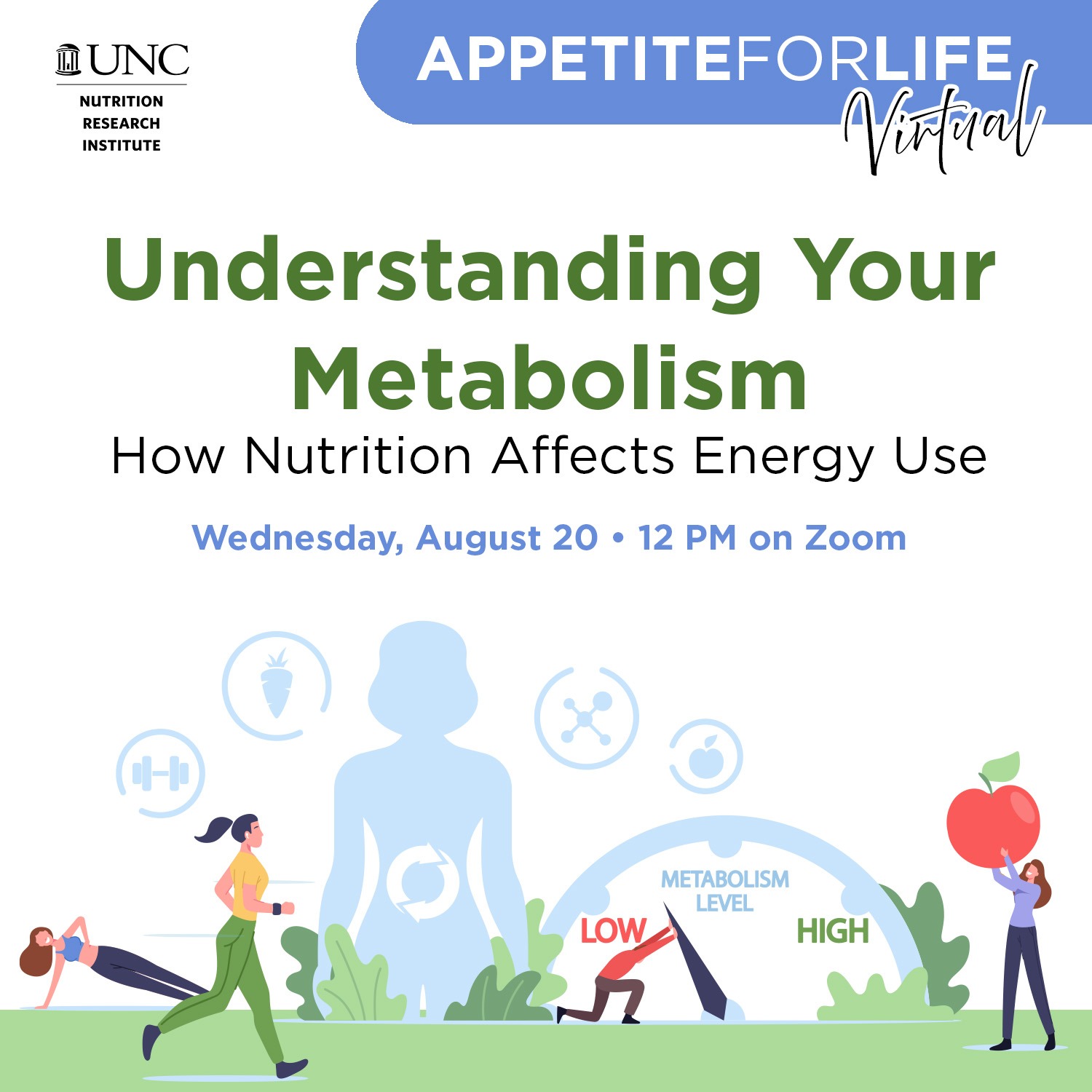
Research Spotlight
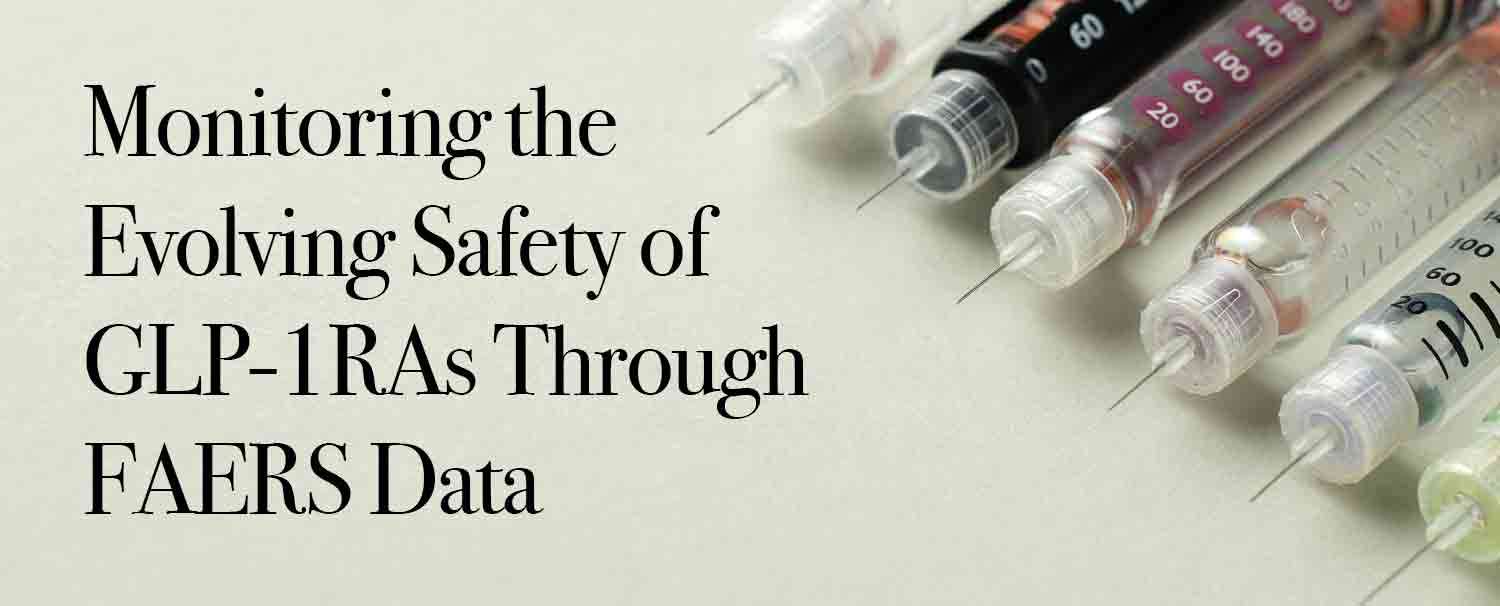
Research Spotlight
Evaluating the Evolving Real-World Adverse Events of GLP-1RAs Using FDA Adverse Event Reporting System (FAERS)
NRI Contributor: Stephen D. Hursting, PhD, MPH
Obesity remains one of the most urgent public health challenges of our time, contributing to conditions such as type 2 diabetes, cardiovascular disease, and cancer.
GLP-1 receptor agonists have emerged as promising tools for obesity and weight management, offering new opportunities to improve cardiometabolic health. But as their use grows, so does the need to better understand their safety in real-world settings.
Research that transforms lives.
PUBLICATIONS FROM OUR RESEARCHERS
Nutri-epigenetics of Mitochondrial Function and Energy Homeostasis in Obesity
NRI Contributors: Saroja Voruganti, PhD and Lydia Goss, MS, RD
How nutrition-related epigenetic changes may disrupt mitochondrial function and energy homeostasis, helping drive obesity beyond the effects of genetics, diet, and physical activity alone.
Choline, Lipidomics, and MASLD: Insights From the CARDIA Study
NRI Contributors: Katie Meyer, ScD, MPH and Anju Lulla, PhD
Certain blood lipids and choline-related metabolites were linked to fatty liver disease, suggesting they may help explain risk and serve as possible biomarkers.
Holding the Line: Preventing Weight Gain in Emotional Eaters
NRI Contributors: Rachel Goode, PhD, MPH, LCSW, Deborah Tate, PhD, Ramine Alexander, PhD, MPH, Tyisha Harper, MBA, Julian Robles, Ana Paola Campos
Weight gain prevention is a critical component of comprehensive obesity care. Emotional eating may contribute to unwanted weight gain, increasing cardiometabolic risk factors among adults with obesity.
FUND DISCOVERY
Together, we are shaping the future of precision nutrition and creating healthier lives for generations to come. Your support of any amount ensures that what we learn in the lab reaches the people who need it most.
Community
Get involved with the UNC Nutrition Research Institute and help us become a global leader in scientific discovery.

Join a Research Study!
Your participation can help advance scientific discovery and improve health outcomes for future generations. NRI connects individuals with research opportunities that contribute to a better understanding of health, disease prevention, and treatment.
NRI Exclusive Updates
Sign up for our emails to get exclusive nutrition tips, learn about the latest in nutrition science and breakthroughs, and be the first to know about upcoming events.
Appetite for Life
Appetite for Life is a series of community programs that bring the latest scientific research down to earth in educational and interactive lectures, demonstrations and events
Precision Nutrition Training and Mentoring
Training for Scientists
The UNC Nutrition Research Institute is a center for precision nutrition training through programs for graduate and medical students, post-doctoral trainees, faculty, practicing physicians and other medical providers, registered dietitians, and industry professionals.