February 24, 2017 | Cheatham News, News
March 1, 2017 • While omega-3 fatty acid deficiencies have been clearly linked to memory and learning problems in rodent models, studies involving dietary supplementation have produced mixed results. A contributing factor could be that the ratio of omega-3 and omega-6 fatty acids in the diet is a more important marker than omega-3 fatty acid intake alone. This hypothesis is based on the fact that these fatty acids share metabolic pathways, and on the assumption that […]
August 25, 2016 | Cheatham News, Community News, News, Research News
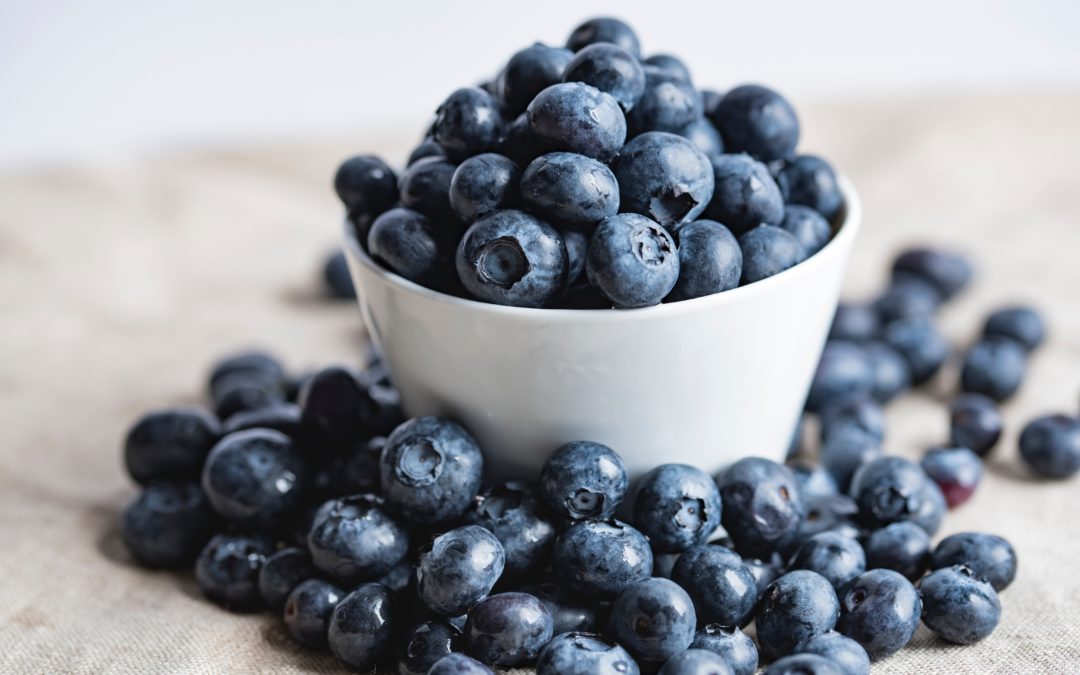
August 26, 2016 • As we age, we experience gradual cognitive decline as our brains process things slower and our ability to remember things decreases. Blueberries contain anthocyanins, which have been shown to effect the areas of the brain that are related to memory and processing in animal studies. The effect of blueberries on brain function in humans is only now beginning to be tested.
March 7, 2016 | Cheatham News, Community News, News, Research News, Zeisel News
March 7, 2016 • Daniel Lupu, MD, doctoral student in nutrition, has received the 2015 David Kritchevsky Graduate Student Award from the journal Nutrition Research for two articles published in the November 2015 issue of the journal.
February 18, 2016 | Cheatham News, Community News, N Krupenko News, News, Research News, Zeisel News
February 18, 2016 • Scientists at the UNC Chapel Hill Nutrition Research Institute are developing a “whole health” message for pregnant mothers emphasizing evidence-based, nutritional research that empowers them to make their own decisions on everything from drinking to dietary choices.
November 24, 2015 | Cheatham News, Community News, News, Research News
November 24, 2015 • The research in Dr. Carol L. Cheatham’s Nutrition and Cognition lab focuses on effects of nutrition on brain development and function throughout the lifespan. In her work, she is exploring the importance of certain nutrients and foods to the development, maintenance, and lifelong integrity of the hippocampus and frontal brain areas. Nutrition is integral to fetal and infant brain development, which sets the stage for lifelong learning. At the other end of the spectrum, it is beginning to be evident that nutrition is also important in senescence in that certain nutrients coupled with other healthy lifestyle choices can slow the progression of age-related cognitive decline. Dr. Cheatham has active studies in four age groups; some of that work is summarized here.
October 27, 2015 | Cheatham News, Community News, News, Research News, Zeisel News
October 27, 2015 • A recent, global study published in The Lancet (2015; 386, p.743-800) clearly emphasizes the importance of the latter referring to our quality of life. According to the Global Burden of Disease (GBD) study, worldwide life expectancy at birth rose by 6.2 years between 1990 and 2013. However, these additional years come at a price as healthy life expectancy at birth increased by only 5.4 years over the same 13 year time span.
