June 30, 2015 | Community News, Kohlmeier News, News, Research News
July 1, 2015 • How our bodies use the nutrients that nourish us drives much of the science at the Nutrition Research Institute. Recent advances in nutrition studies have shed light on the metabolic fates of nutrients and about the molecular actors and mechanisms responsible for the underlying processes. A major reason for the explosive advances in the understanding of nutrient metabolism has been the massive investigative use of all kinds of “-omics,” new fields of study for the mining of data-rich biological information.
June 30, 2015 | Community News, Meyer News, News, reading, Research News
July 1, 2015 • Everyday we learn more about how the gut microbiome may influence health. Our gut microbial community—a super-organism, with trillions of members—has been associated with obesity, diabetes, cancer, heart disease, and immune disorders, and even moods. These findings have generated enormous enthusiasm among researchers and the lay public, as they suggest a largely untapped area for health-promoting interventions. One mechanism through which the gut microbiome may affect health is through the metabolism of food and nutrients.
June 29, 2015 | Community News, News, Research News, Zeisel News
ESCONDIDO, Calif., June, 23, 2015 /PRNewswire/ — Choline is critical to overall health and healthy cognitive function. This essential nutrient has an impact on the brain throughout our lives. Choline intake early in life supports the brain as it ages,...
June 2, 2015 | Community News, News, Research News
June 2, 2015 • Dr. Warrier joins the NRI this month as our newest faculty member. Her research focus is the “browning” of fat and its effects on metabolism and obesity.

June 1, 2015 | Community News, News, Research News
June 1, 2015 • There is mounting evidence that small amounts of essential nutrients like choline and folate have a big impact on human health. However, nutritional studies that attempt to quantify the effects of essential nutrients often produce unclear or contradictory results.
There are several reasons for this, but chief among them is the assumption that all of us process food exactly the same way. This is simply not the case. No one is metabolically identical or even similar to anyone else – not even identical twins. We all require different amounts of specific nutrients and vitamins. Scientists at the UNC Nutrition Research Institute believe this common misconception is responsible for so many contradictory study results.
May 26, 2015 | Community News, News, Research News
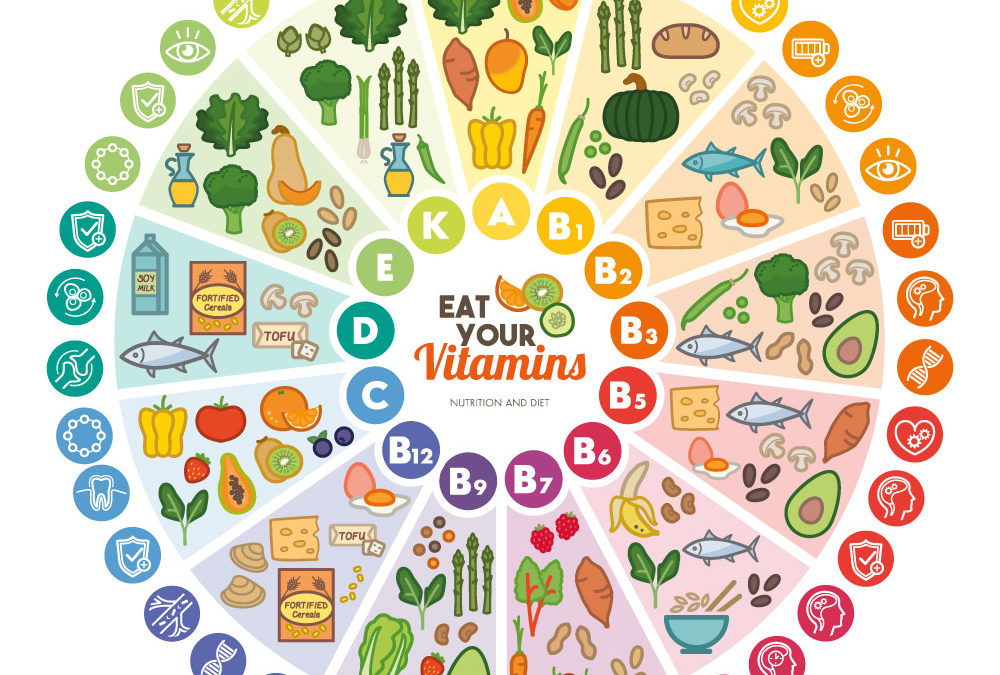
May 27, 2015 • A vitamin is an organic compound that cannot be made by the human body, but is a required nutrient vital for its various functions. Vitamins are needed in only limited amounts and thus are traditionally derived from our diet. And, yet, nearly half of the U.S. population takes multivitamin supplements—even in times of financial downturn. In 2010 the U.S. supplements industry reached $28 billion in annual sales. And, although no clear scientific need has been defined for vitamin supplementation, the most common reason for taking vitamins is a desire to “improve” or “maintain” overall health, according to a poll conducted by the National Institutes of Health in 2013.
