
Understanding
GLP-1s
and related medications
GLP-1s and related medications mimic hormones that the body naturally releases after eating.
Real questions. Reliable answers.
UNDERSTANDING THE BASICS
How GLP-1 Medications Work

Why are GLP-1s prescribed?
Most often, they are used to treat type 2 diabetes or support chronic weight management, conditions in which this signaling pathway plays an important role in regulating blood sugar and appetite. Certain GLP-1–based medications are also approved to reduce cardiovascular risk or treat moderate to severe obstructive sleep apnea in adults with obesity.
What are GLP-1 medications?
GLP-1 medications mimic a hormone the body naturally releases after eating. They help regulate blood sugar, reduce appetite, increase feelings of fullness, and slow the movement of food through the stomach.
How do GLP-1 medications work?
They activate GLP-1 receptors in the body and brain.
This can:
- Increase insulin release when blood sugar is elevated
- Reduce the liver’s release of glucose
- Slow stomach emptying
- Reduce hunger and food cravings
- Help people feel full sooner and longer
COMMON QUESTIONS
Questions people ask the most
General answers to guide your own conversation with a healthcare provider, not a substitute for one.
01. Do GLP-1s actually work?
Yes, for most people who take them as prescribed. Clinical trials consistently show meaningful weight loss, improved blood sugar control, and reduced appetite compared with placebo. Response still varies by individual, dose, and medication.
02. Are they safe long-term?
The evidence base is growing but still developing. Some GLP-1 drugs have over a decade of safety data from diabetes treatment; the newer, higher-dose weight-management versions have shorter track records. Most common side effects (nausea, GI discomfort) occur early and often ease over time, but researchers are still tracking longer-term outcomes.
Patients should speak with their healthcare providers about how these medications may affect muscle and bone while they are taking them.
03. Will I regain weight after stopping?
Often, yes. Some regain is common once the medication is stopped, because appetite-regulating signals shift back. People who build lasting nutrition and activity habits while on the medication tend to hold on to more of the loss, but regain isn't a sign that treatment "failed."
04. Do they cause muscle loss?
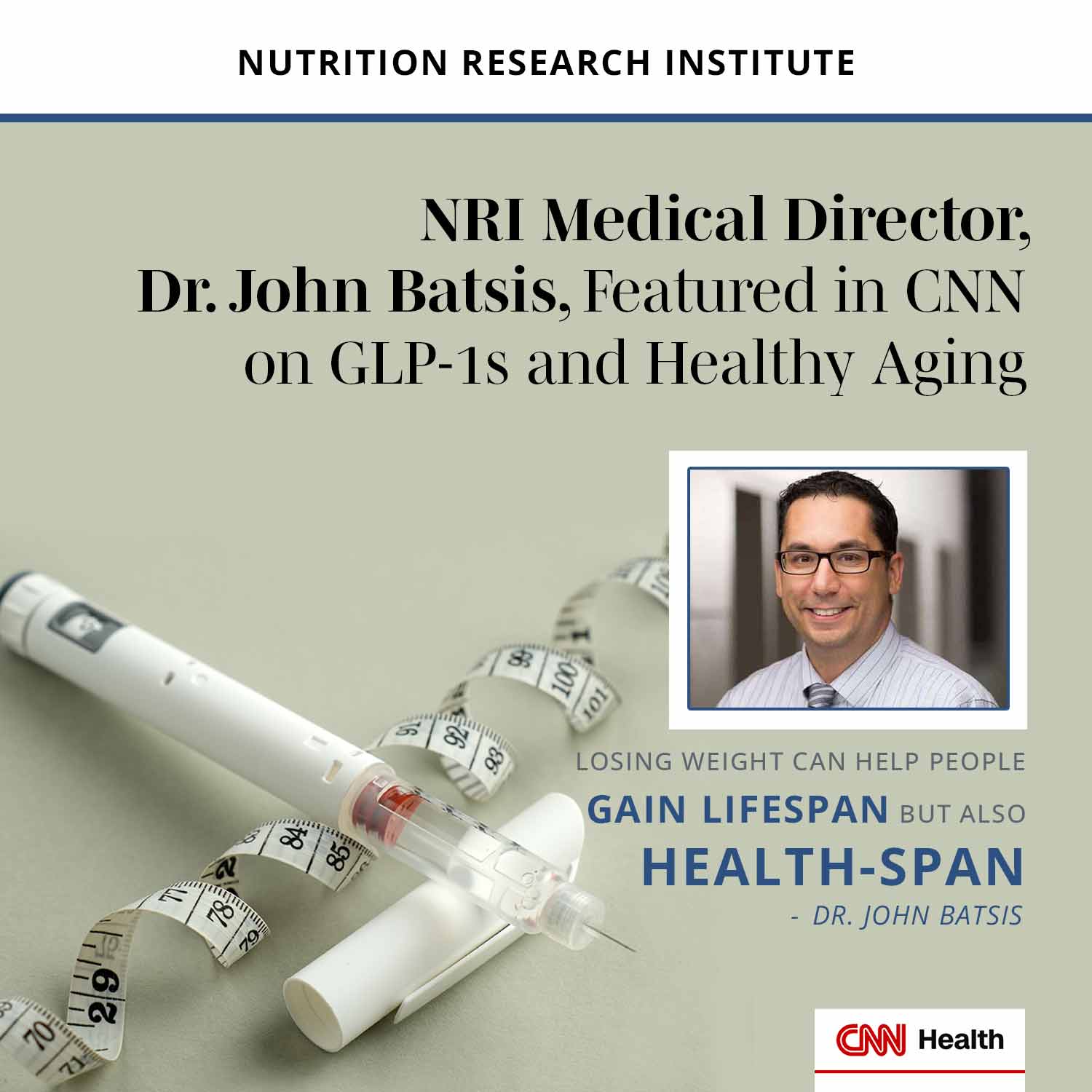
Some of the weight lost while taking these medications does come from loss of muscle, not just fat, a concern researchers, including NRI's Dr. Batsis, are actively studying, especially in older adults. Resistance exercise and adequate protein intake during treatment appear to help preserve muscle.
05. Who shouldn't take them?
GLP-1 medications may not be appropriate for everyone. Pregnancy, certain personal or family medical histories, and some existing health conditions may affect whether a particular medication is appropriate.
Review your complete medical history with a qualified healthcare provider.
06. Are compounded GLP-1 medications the same as FDA-approved medications?
No. Compounded medications are not FDA-approved, and the FDA does not review them for safety, effectiveness or quality before they are marketed. A compounded medication may be appropriate in limited circumstances when a patient’s needs cannot be met by an available FDA-approved product.
Discuss the source and safety of any medication with a qualified healthcare provider.
07. What are researchers still learning about GLP-1s?
Researchers are continuing to study their long-term use, what happens after treatment ends, how to preserve muscle and bone during weight loss, and whether uncommon side effects may appear over time.
MEET THE EXPERTS
NRI Researchers

John Batsis, MD
Associate Professor of Medicine and Nutrition
Dr. Batsis is a clinician-researcher focused on helping older adults maintain their strength, independence, and quality of life. His research explores how obesity, muscle loss, diet, exercise, and technology can support healthier aging.

Stephen D. Hursting, PhD, MPH
Associate Professor of Medicine
As a professor at the UNC Nutrition Research Institute and UNC-Chapel Hill, his research explores how obesity, diet, exercise, and metabolism influence cancer development, treatment, and recovery.
NRI Articles
GLP-1 Insights from NRI
Explore NRI research, expert perspectives, and news related to GLP-1 medications, metabolic health, and healthy aging.
Setting the record straight
Myths vs. Facts
MYTH:
All GLP-1 medications are the same.
FACT:
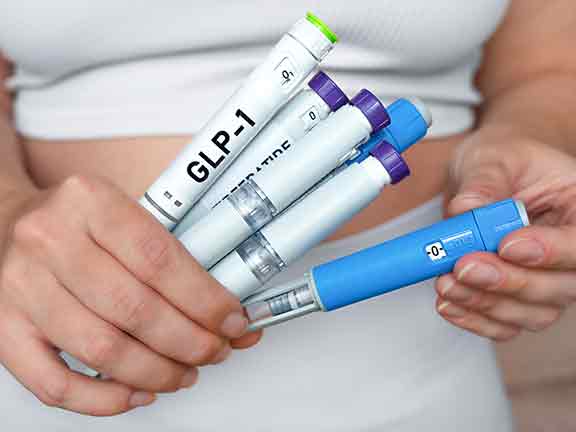
Different medications contain different active ingredients, doses and approved uses. Tirzepatide is also different because it activates both GIP and GLP-1 receptors.

MYTH:
GLP-1s simply “burn fat.”
FACT:
GLP-1 medications primarily influence appetite, fullness, blood sugar regulation and digestion. They do not directly melt or burn body fat.
MYTH:
Weight regain after stopping means the treatment failed.
FACT:
Appetite and weight-regulating signals can change when treatment ends, and some weight regain is common. This reflects the chronic biology of obesity, not a lack of effort.
MAKING HEADLINES
GLP-1s in the News

About this guide
This educational resource was developed by the UNC Nutrition Research Institute to help readers understand current GLP-1 research. It is not a substitute for individualized medical advice.
Last reviewed: July 2026
WHY IT MATTERS
Why Precision Nutrition Matters
Everyone responds to food differently. Genetics, metabolism, lifestyle, environment, and the microbiome all influence how nutrients affect our health. Precision nutrition helps researchers move beyond one-size-fits-all advice toward approaches designed around the individual.
Stay Connected to NRI Research
Get the latest research news, expert insights,
and upcoming events delivered to your inbox.