

John.Batsis@unc.edu
919-966-5945
John A. Batsis, MD
CRC Medical Director, Associate Professor of Medicine
Dr. Batsis has dedicated his professional career to caring for older adults through clinical care, research and education. The privilege of helping older adults maximize their physical function and quality of life through patient-centered, compassionate care serves as a daily motivation in his work. His role as a clinician-researcher allows him to apply scientific principles of inquiry to enhance clinical care for an older adult population. Through learning and discovery, he aims to advance healthy aging by improving goal-directed care and healthcare delivery for older adults.
Dr. Batsis’s academic work focuses on three main areas: (a) understanding the relationships between obesity and sarcopenia (loss of muscle mass, strength and/or function with aging) and important outcomes for older adults; (b) developing multicomponent interventions (diet and exercise) to improve physical function in older adults; and (c) using novel technologies (telemedicine, remote monitoring, Internet-of-Things devices) and collaborating with transdisciplinary scientists (engineers and computer scientists) to improve the health and well-being of older adults.
Read: Dr. John Batsis Presents Keynote at AI Technology Center Consensus Guidelines Workshop
Read: Dr. Batsis Presents at American Diabetes Association Annual Meeting
Read: Dr. Batsis talks to Stat about new weight loss drugs
Watch: Dr Batsis – ‘Everyone has their own secret sauce’
Read: Doctors Assess Opportunities Gained, Lost through Medicare’s Annual Wellness Visits
Read: Batsis Discusses Five Common Medications That Can Cause Weight Gain
In the News

The Choices I.C.A.N. Make
January 25, 2019 – Pregnant women are often consumed by dietary choices such as finding a great prenatal vitamin, eating foods that will promote fetal growth, and doing everything they can to protect their pregnancy. After delivery, however, the mother’s preoccupation with her diet often pauses for four to six months. The Cheatham Nutrition & Cognition Lab is turning this type of thinking on its head with the belief that what women eat while breastfeeding greatly impacts their breastmilk and ultimately, their children’s development.
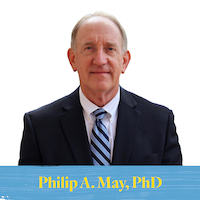
January Faculty Focus: Philip May, PhD
January 11, 2019 – “I’ve been called ‘tenacious’,” says Philip A. May, PhD, with a hint of humor. It’s an understatement for the man who relentlessly pursues data that shed light on important public health issues across the United States and around the globe. May, professor of nutrition at the UNC Nutrition Research Institute (NRI) and in the Department of Nutrition at the Gillings School of Global Public Health at UNC-Chapel Hill, has been a demographer and epidemiologist for the better part of 50 years. He calls his style of research “shoe-leather” epidemiology, meaning that he gathers information for studies by getting out in the field and immersing himself in communities to really know the people in his studies. For nearly 30 of those years, May’s focus has been on learning about the often-dire effects and alarmingly high prevalence of fetal alcohol exposure.
Women’s Health, Preconception Nutrition, and the Right to Choose
December 16, 2018 – If you’ve ever been around a pregnant woman, you’ve probably heard her mention something about food cravings. Or she’s mentioned that she won’t drink coffee or eat Oreos because they are “bad for the baby.” Food is a hot topic during pregnancy because of how it can drastically affect the developing baby. But how many times have you heard a woman mention that she is eating healthier because she is going to try to get pregnant?
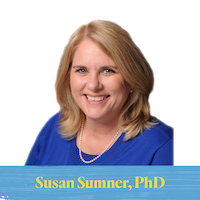
December Faculty Focus: Susan Sumner, PhD
December 15, 2018 – Through the ages, science has often been in the company of poetry. They came together recently when Susan Sumner, PhD, described how she got her start in Biomarker Discovery using spectroscopic methods as an undergraduate at North Carolina State University (NCSU): “I found it exciting to envision molecules dancing in multidimensional space in response to applied physical factors such as magnets, radio frequency pulses, or electric fields.”
Publications
2026
2025
The Relationship Between a Mediterranean Diet and Frailty in Older Adults: NHANES 2007-2017.
Changes in senescence markers after a weight loss intervention in older adults with obesity.
Editorial: Clinical uses and alternative approaches of frailty determination.
Tailoring Obesity Management to Support Physical Function in Older Adults.
Treating Sarcopenic Obesity in the Era of Incretin Therapies: Perspectives and Challenges.
New Drugs and Same Blind Spots-Rethinking Obesity Care in Later Life.