
John.Batsis@unc.edu
919-966-5945
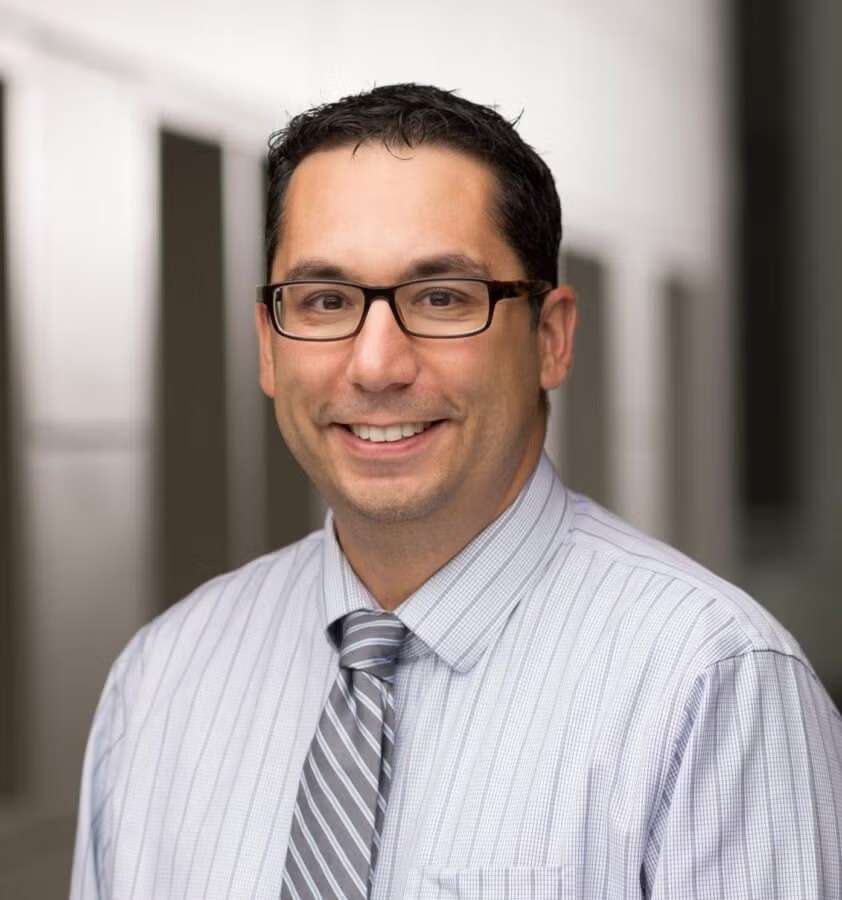
John A. Batsis, MD
CRC Medical Director, Associate Professor of Medicine
Dr. Batsis has dedicated his professional career to caring for older adults through clinical care, research and education. The privilege of helping older adults maximize their physical function and quality of life through patient-centered, compassionate care serves as a daily motivation in his work. His role as a clinician-researcher allows him to apply scientific principles of inquiry to enhance clinical care for an older adult population. Through learning and discovery, he aims to advance healthy aging by improving goal-directed care and healthcare delivery for older adults.
Dr. Batsis’s academic work focuses on three main areas: (a) understanding the relationships between obesity and sarcopenia (loss of muscle mass, strength and/or function with aging) and important outcomes for older adults; (b) developing multicomponent interventions (diet and exercise) to improve physical function in older adults; and (c) using novel technologies (telemedicine, remote monitoring, Internet-of-Things devices) and collaborating with transdisciplinary scientists (engineers and computer scientists) to improve the health and well-being of older adults.
Read: Dr. John Batsis Presents Keynote at AI Technology Center Consensus Guidelines Workshop
Read: Dr. Batsis Presents at American Diabetes Association Annual Meeting
Read: Dr. Batsis talks to Stat about new weight loss drugs
Watch: Dr Batsis – ‘Everyone has their own secret sauce’
Read: Doctors Assess Opportunities Gained, Lost through Medicare’s Annual Wellness Visits
Read: Batsis Discusses Five Common Medications That Can Cause Weight Gain
In the News

Do Eggs Cause Heart Disease?
October 25, 2016 • Several recent studies linked increased levels of a metabolic product of dietary choline with higher risk of cardiovascular disease (CVD) (Wang et al., 2011; Tang et al., 2013) through a mechanism that involved gut microbiota-produced trimethylamine oxide (TMAO). These studies have sparked considerable scientific (and non-scientific) discussion, with health advice from some groups suggesting avoidance of meat and eggs (significant sources of choline) and from others suggesting that the findings have been vastly overinterpreted.
Sugar-Sweetened Beverages Increase Risk for Hyperuricemia
October 25, 2016 • According to the CDC, sugar-sweetened beverages are the largest source of added sugar in the average American’s diet, and the Dietary Guidelines for Americans recommend individuals consume no more than ten percent of calories per day from processed or added sugar. From the UNC Chapel Hill Nutrition Research Institute (NRI), scientists are investigating the connection between these beverages, human genetics, and uric acid metabolism.
NRI Researcher Links Choline Deficiency To Impaired Brain Structure
September 21, 2016 • Natalia Surzenko, Ph.D., is part of a team of researchers at the UNC-Chapel Hill Nutrition Research Institute (NRI) located on the North Carolina Research Campus (NCRC) in Kannapolis focusing their efforts on brain development. Her current goal is to determine the role of choline as an essential nutrient for development of the cerebral cortex.
Hungry for more? Food theme serves a second helping this fall
September 20, 2016 • Food For All, Carolina’s pan-University academic theme, didn’t take a summer break, said the co-chairs of the theme’s steering committee. And the theme will serve up even more this fall, including a speaker series, a summit to propose a statewide food policy and a new food studies class.
Publications
2026
2025
The Relationship Between a Mediterranean Diet and Frailty in Older Adults: NHANES 2007-2017.
Changes in senescence markers after a weight loss intervention in older adults with obesity.
Editorial: Clinical uses and alternative approaches of frailty determination.
Tailoring Obesity Management to Support Physical Function in Older Adults.
Treating Sarcopenic Obesity in the Era of Incretin Therapies: Perspectives and Challenges.
New Drugs and Same Blind Spots-Rethinking Obesity Care in Later Life.