
Microbiome and Nutrition
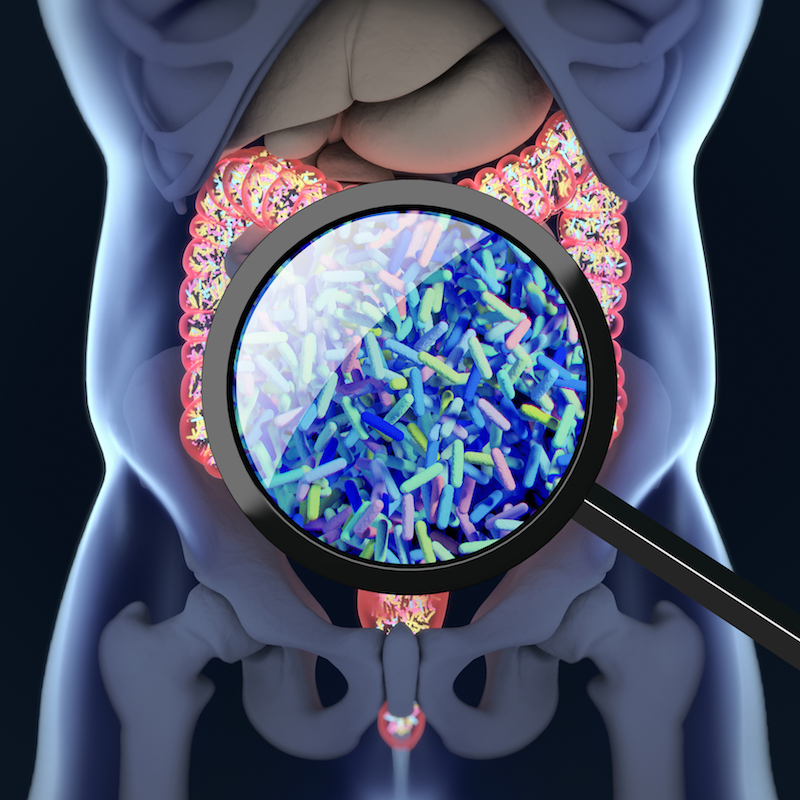
The complex community of bacteria, yeasts and viruses living in our intestines, collectively known as the gut microbiome, is shaped, in part, by what we eat. Genetics, environment, and other factors also influence an individual’s microbial community. Research at the NRI investigates these complex relationships and their impact on disease risk. We use animal models and bioinformatics to study the associations between nutritional metabolites, gut microbiome, and health. What happens in the gut doesn’t stay in the gut. Your microbiome can play a role in cardiovascular disease, obesity and diabetes, and even cancer. Our team envisions a future where analysis of your microbiome can determine disease risk, and medical foods can be prescribed to treat and prevent disease by regulating the microbiome.
Publications
Microbiome and Nutrition Publications
2020
Population studies of TMAO and its precursors may help elucidate mechanisms. Meyer K
2019
Association of dietary patterns with the gut microbiota in older, community-dwelling men. Meyer K
2018
Meta-analysis of human genome-microbiome association studies: the MiBioGen consortium initiative. Meyer K
Human microbiota, blood group antigens, and disease. Sumner S
2017
Trimethylamine N-Oxide, the Microbiome, and Heart and Kidney Disease. Zeisel S
2016
Diet and Gut Microbial Function in Metabolic and Cardiovascular Disease Risk. Meyer K
Antibiotic-mediated gut microbiome perturbation accelerates development of type 1 diabetes in mice. Sumner S
Related News
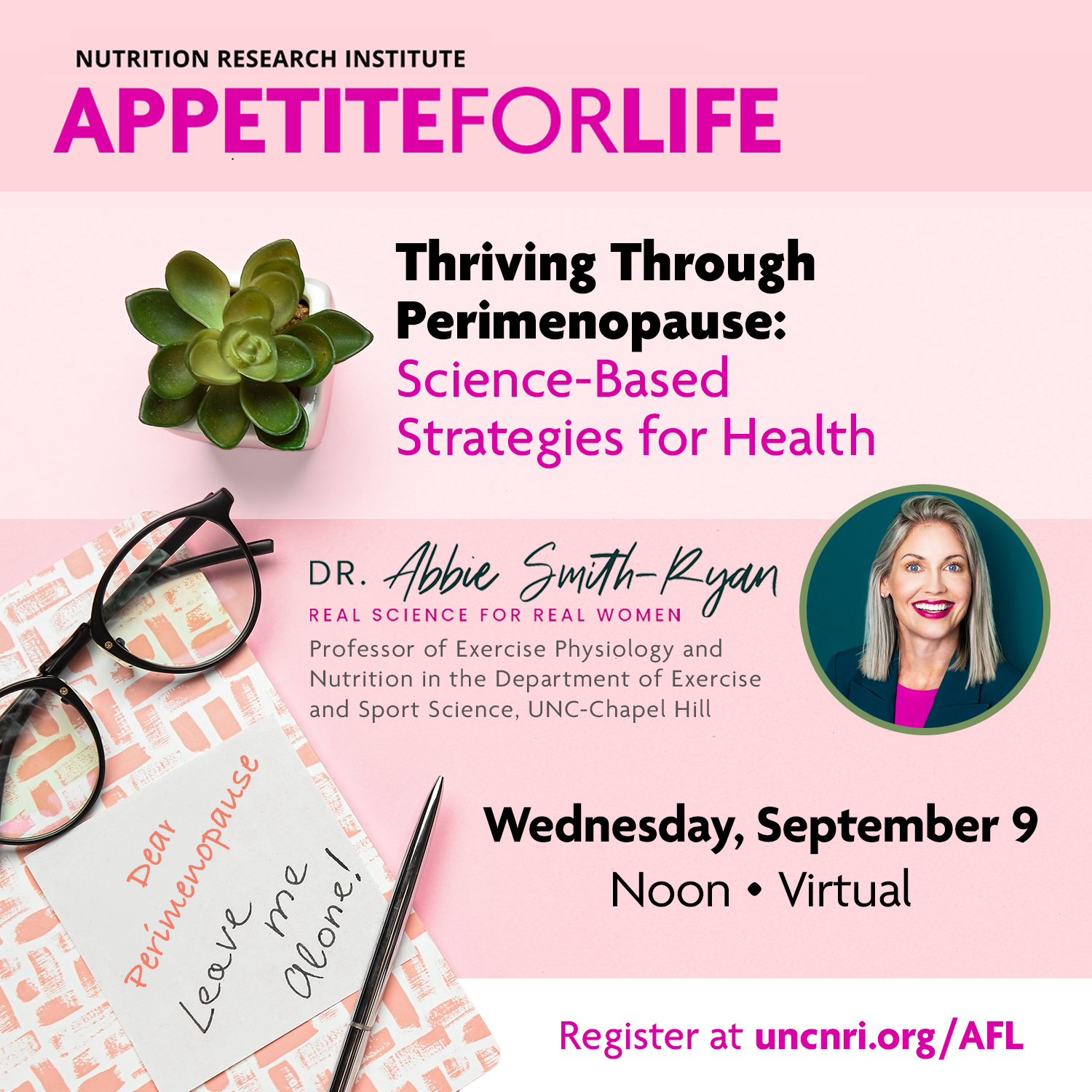
Appetite for Life – Thriving Through Perimenopause
Cyclospora and Fresh Produce: What You Need to Know August 20, 2026 Cyclospora is a microscopic parasite that can contaminate food or water and cause a gastrointestinal illness called cyclosporiasis . Often linked to fresh produce, the infection can lead to prolonged…
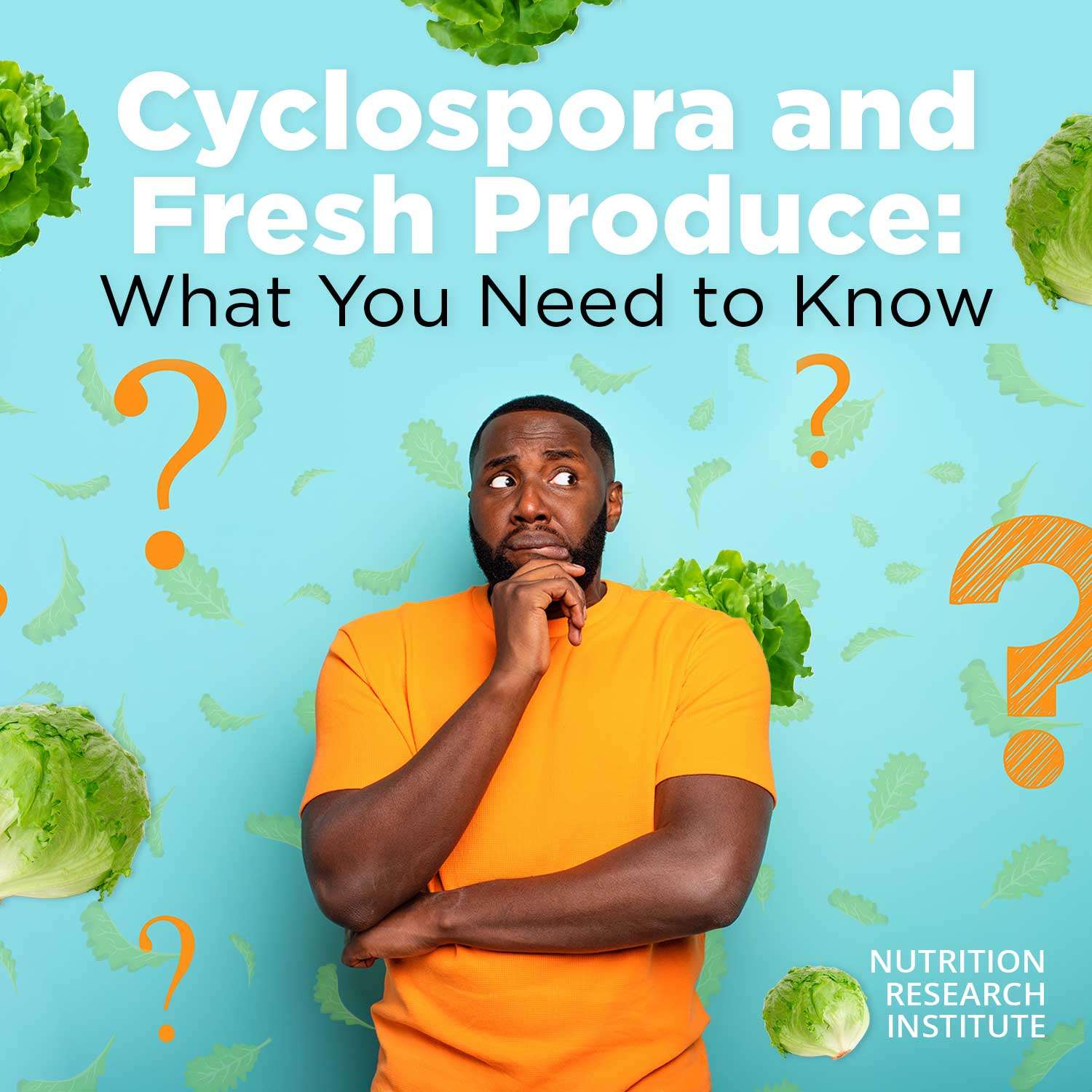
Cyclospora and Fresh Produce: What You Need to Know
Cyclospora and Fresh Produce: What You Need to Know August 14, 2026 Cyclospora is a microscopic parasite that can contaminate food or water and cause a gastrointestinal illness called cyclosporiasis . Often linked to fresh produce, the infection can lead to prolonged…
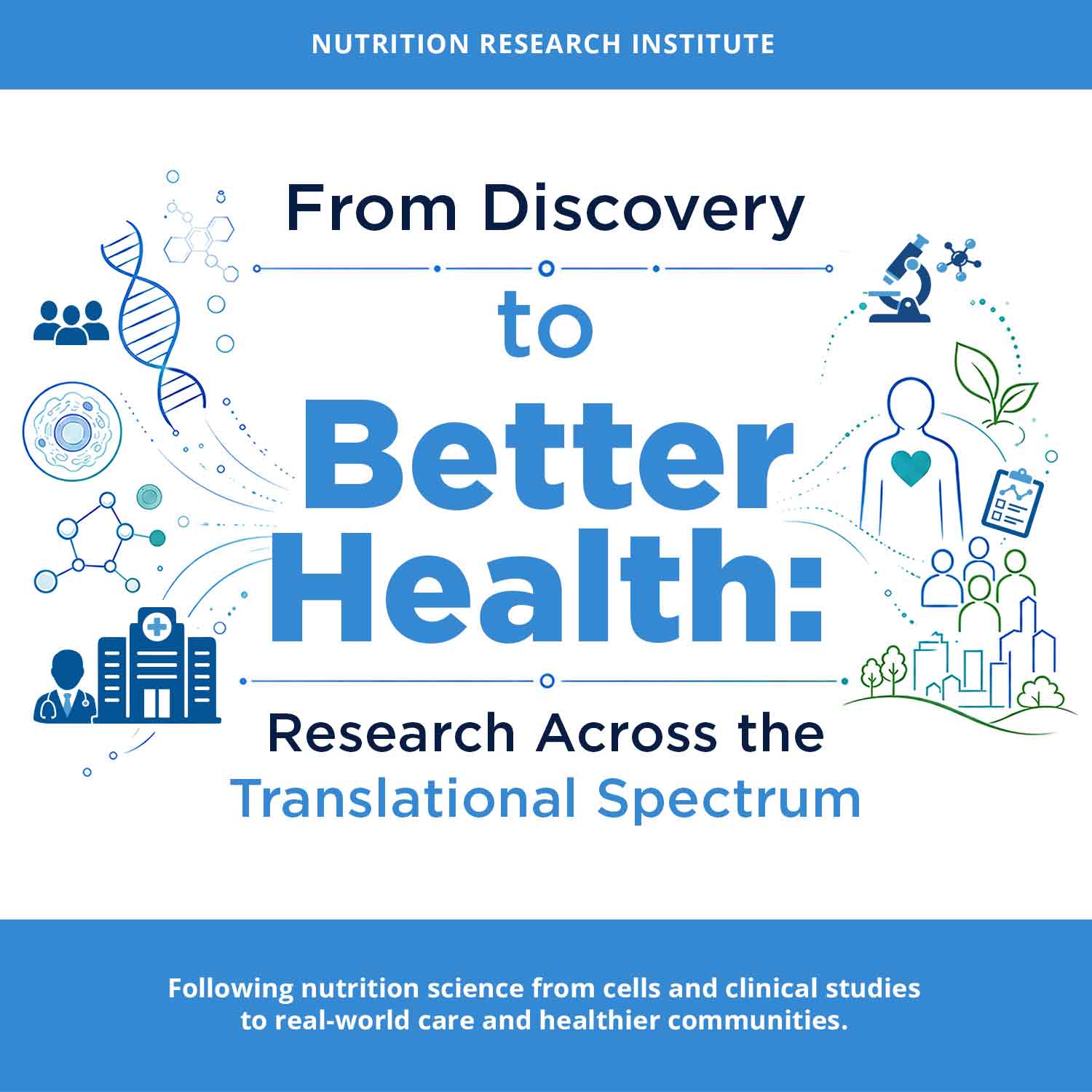
From Discovery to Better Health: Research Across the Translational Spectrum
From Discovery to Better Health: Research Across the Translational Spectrum August 7, 2026 Translational research continuum (noun): A framework that describes the process of advancing scientific discoveries from foundational laboratory research to real-world…
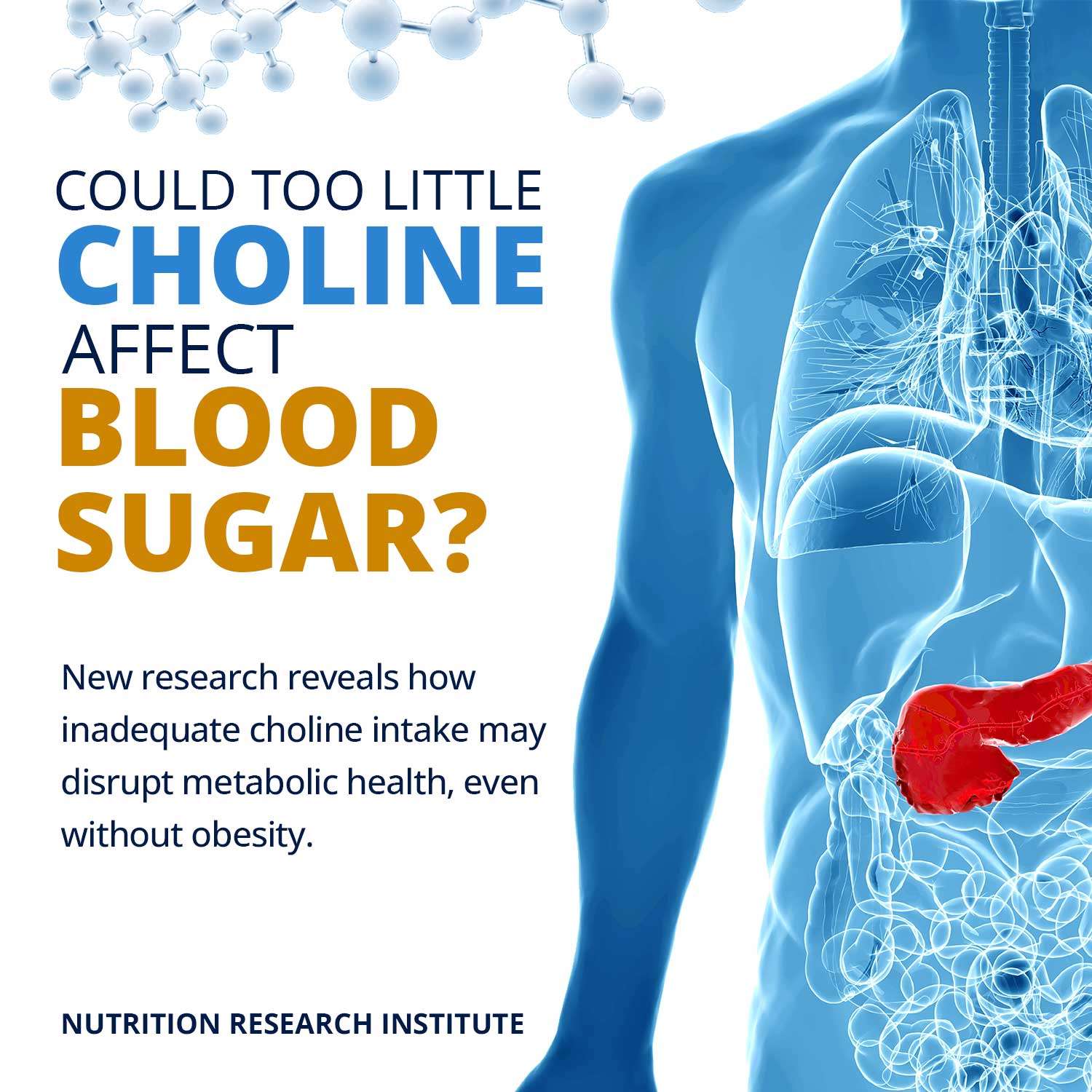
Could Too Little Choline Affect Blood Sugar?
Could Too Little Choline Affect Blood Sugar? August 3, 2026 Isis Trujillo-Gonzalez, PhD, is an Assistant Professor at the University of North Carolina at Chapel Hill’s Nutrition Research Institute (NRI). She joined the NRI in 2015 to conduct her postdoctoral research…
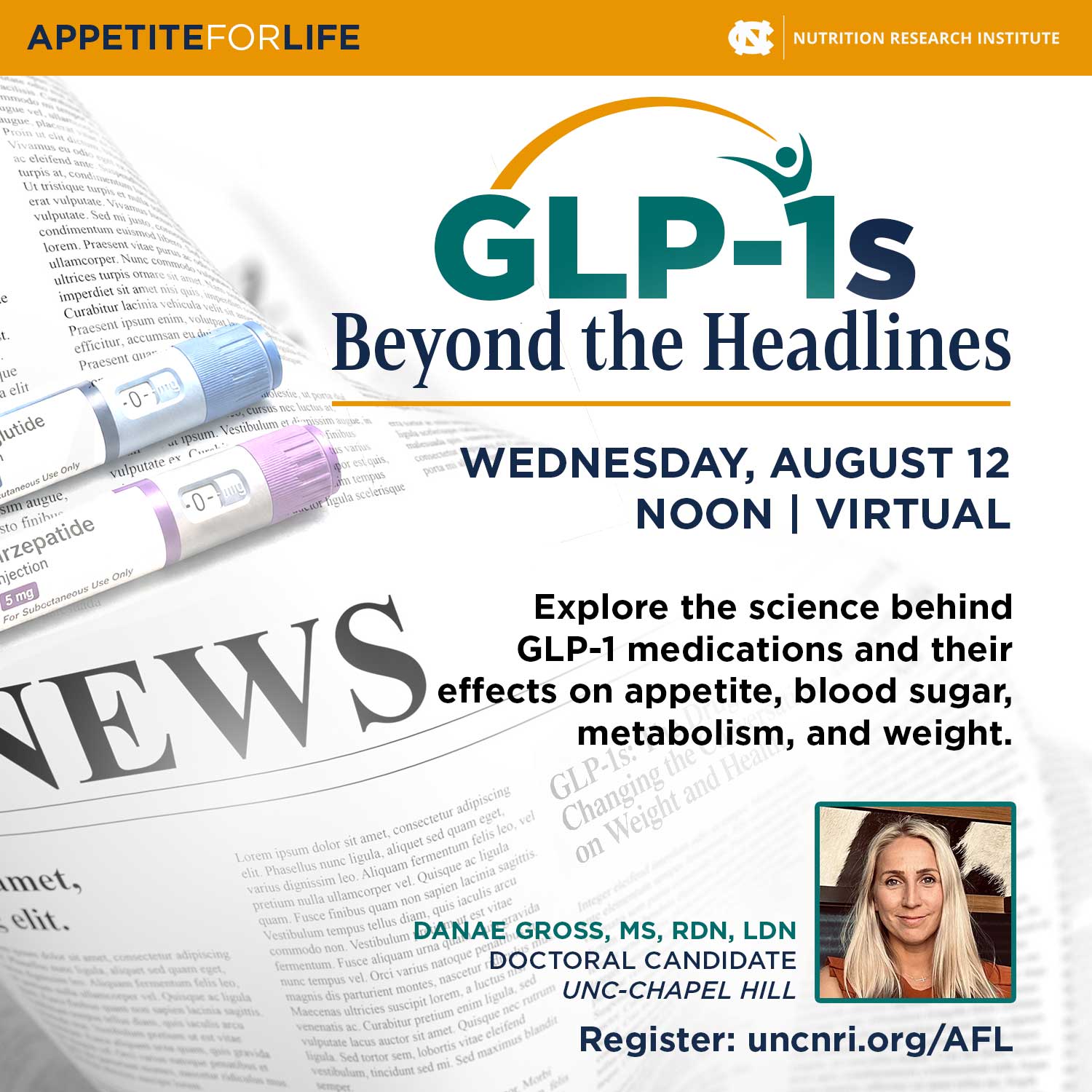
GLP-1s: Beyond the Headlines – Free Webinar
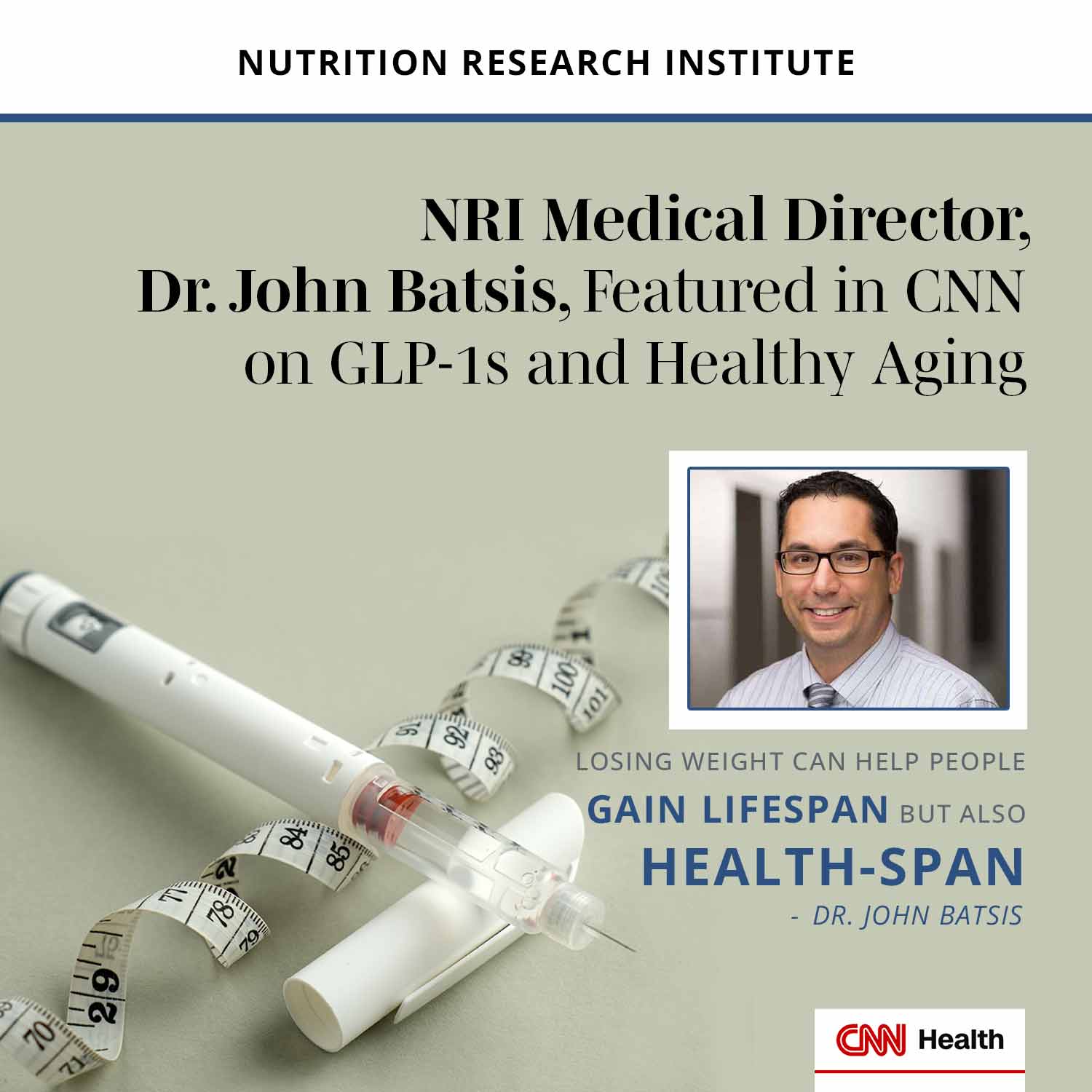
NRI Medical Director Featured in CNN on GLP-1s and Healthy Aging
As GLP-1 medications become more widely available, NRI Medical Director John Batsis, MD, shares expert insight with CNN on what older adults should consider before using them for weight loss.