July 2015
July 2015 SoundBites features: The “-omics” of Nutrient Metabolism, Research We’re Reading: Go with Your Gut, Summer Tours and Fall Events

July 2015 SoundBites features: The “-omics” of Nutrient Metabolism, Research We’re Reading: Go with Your Gut, Summer Tours and Fall Events
July 1, 2015 • Everyday we learn more about how the gut microbiome may influence health. Our gut microbial community—a super-organism, with trillions of members—has been associated with obesity, diabetes, cancer, heart disease, and immune disorders, and even moods. These findings have generated enormous enthusiasm among researchers and the lay public, as they suggest a largely untapped area for health-promoting interventions. One mechanism through which the gut microbiome may affect health is through the metabolism of food and nutrients.
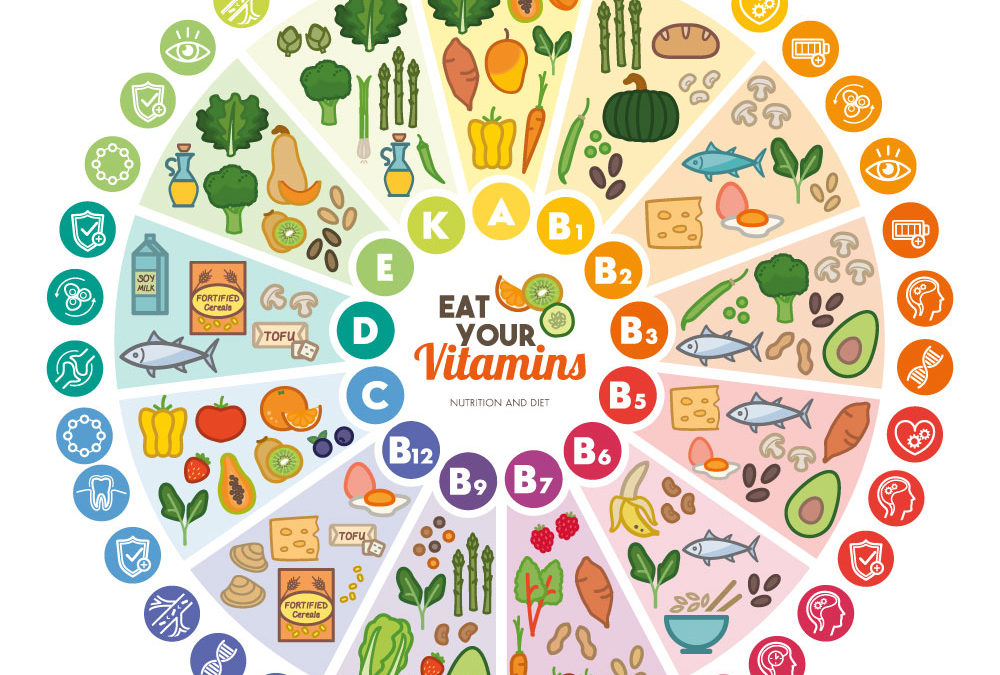
May 27, 2015 • A vitamin is an organic compound that cannot be made by the human body, but is a required nutrient vital for its various functions. Vitamins are needed in only limited amounts and thus are traditionally derived from our diet. And, yet, nearly half of the U.S. population takes multivitamin supplements—even in times of financial downturn. In 2010 the U.S. supplements industry reached $28 billion in annual sales. And, although no clear scientific need has been defined for vitamin supplementation, the most common reason for taking vitamins is a desire to “improve” or “maintain” overall health, according to a poll conducted by the National Institutes of Health in 2013.
May 6, 2015 • May 2015’s SoundBites features: Renowned Nutrition Scientist Speaks on Longevity; Nutrient Bar Results in Broadscale Health Improvements After Only Two Months; Eat More Produce, Reduce Cancer; and the Lettuce Eat Café
April 6, 2015 • We rely on our physicians to heal us when we are ill, but more and more, we are needing a trained reliable source of sound nutritional advice when it comes to preventing illness or getting healthy after disease strikes. Until recently most medical doctors in this country were barely trained in the science of human nutrition.
April 1, 2015 • In 1996, the Food and Drug Administration (FDA) made it mandatory to add folic acid (FA) to grain products used to make cereal, bread, pasta and other foods. The ruling, which was intended to prevent neural tube defects (NTDs) – see Sidebar – has been very successful: The incidence of NTDs fell 36% over the following decade.
The FDA’s ruling was unique because the target population (women of child-bearing age) is much smaller than the population affected (anyone eating fortified foods), especially now that so many countries around the world add FA to wheat, corn, and rice. Luckily, studies around the globe prove that FA benefits the general population by lowering the incidence of heart disease, stroke, and even mood disorders…which is why FA is also present in multivitamin supplements.
April 22 • April 2015’s edition of SoundBites features: The Folic Acid Dilemma, Appetite for Life Lecture, Liver Cancer Report Reveals New Links, Training Your Doctor in Nutrition, and 2015 ISNN Congress.
March 17, 2015 • Eleven faculty research scientists at the UNC Nutrition Research Institute (NRI) in Kannapolis currently have externally funded grants to support their work exploring individualized nutrition. These awards are significant not only for providing the means by which the NRI can advance its scientific discoveries but also for their economic impact in the Charlotte region.