

Subscribe Now
Latest NRI News
Polyphenols: Colorful, Healthy, Plant Compounds You May Already Eat & Drink
September 28, 2017 – Many of the foods you eat are loaded with polyphenols: plant-based compounds that are anti-oxidant, anti-inflammatory and anti-infection. Polyphenols are considered non-nutritional, meaning that they help prevent disease and keep you healthy in a different way than vitamins, minerals, or other nutrients like carbohydrates, fats, and protein. David Nieman, DrPH, director of the Appalachian State University Human Performance Lab at the North Carolina Research Campus (NCRC), explains that polyphenols are a type of phytochemical, the colorful chemicals in plants that confer a variety of health benefits. “In many fruits and vegetables, all the colors that you see are the polyphenols,” he says. “That’s what you want, a lot of color in your diet.”
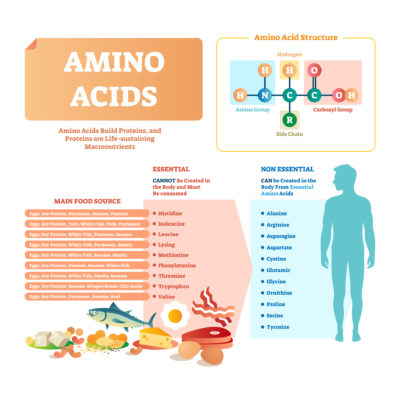
Build Stronger Muscles with All Kinds of Protein
August 28, 2017 – From the desks of Martin Kohlmeier, MD, PhD and Robyn Amos-Kroohs, PhD
Protein is an important part of every cell in the body. Protein is also a building block of enzymes, hormones, and other important substances used in body processes. It’s a major component of most body systems, including the immune system, metabolism, and circulatory system. Its importance is why protein is known as a macronutrient, meaning that large amounts are required to help the body function appropriately on a daily basis. And unlike sugar and fats, macronutrients that have acquired bad reputations, protein is recognized as an important part of a healthy diet.
The Ironies of Iron During Pregnancy
August 28, 2017 – Iron is listed by the American Pregnancy Association as one of the nutrients essential for healthy fetal development. Why? Because a lack of iron, a mineral naturally found in foods like meat, seafood and vegetables, directly impacts the development of the fetal brain. Iron also prevents anemia, low birth weight and premature delivery. Unfortunately, 22 percent of US women in their childbearing years are iron deficient, says Susan Smith, PhD, deputy director of science at the UNC Nutrition Research Institute on the NC Research Campus.