
Research campus moving past slow start, looking to define future
March 8, 2015 • The following has been reprinted from The Salisbury Post, an article by Josh Bergeron.
The N.C. Research Campus still lags behind initial employment projections, but, as the nation and state recover from an economic recession, growth is beginning to pick up.
Following billionaire businessman David Murdock’s $15 million annual endowment last year, the research campus aims to expand and the David H. Murdock Research Institution is looking to refocus on its initial intent — becoming a world class research institution. The catchphrase being used to define the future of the facility is “putting the RI back in DHMRI.”
Understanding Nutrigenomics
March 2, 2015 • Why “good” and “bad” are irrelevant when talking about genes and nutrition
From the desk of: Mihai Niculescu, M.D., Ph.D.
…“How to override your bad genes with food.” “Can Exercise Override Bad Genes?” “Good Nutrition Can Overcome Bad Genes”…
woman drawing dnaWe are bombarded by media with these kinds of messages. The main theme, of course, is that many of us may have “bad” genes that would put us at risk of a certain poor health outcome unless we eat less of “this” and more of “that.” Knowing myself as a bearer of several such genetic variations, I almost feel, at times, guilty that I am harboring such “bad” genes, albeit without my consent.
NRI Scientist Achieves New Role
March 2, 2015 • Natalia Surzenko, Ph.D., studies the connections between nutrients and brain and eye development. Her work in this area has been as Research Scientist in the Zeisel lab since joining the NRI in 2013. In recognition of the excellence she brings to her research, Dr. Surzenko has been promoted to Research Assistant Professor.

Understanding the eating behaviors of SNAP recipients in larger bodies during COVID-19
Living in a food-insecure household may increase the risk for disordered eating. Assistant Professor Rachel Goode, whose interests in social work and eating disorders converge at the UNC Nutrition Research Institute, has published a research article on the...
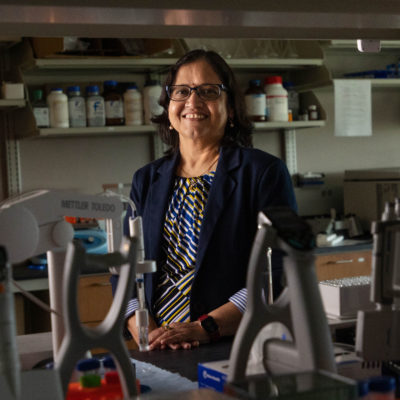
Her childhood in India – and parenthood – changed this nutrition expert’s eating habits
This story originally appeared on the American Heart Association News website. These days, Saroja Voruganti, an associate professor of nutrition at the University of North Carolina at Chapel Hill, prefers a balanced diet that emphasizes "whole" foods and steers clear...
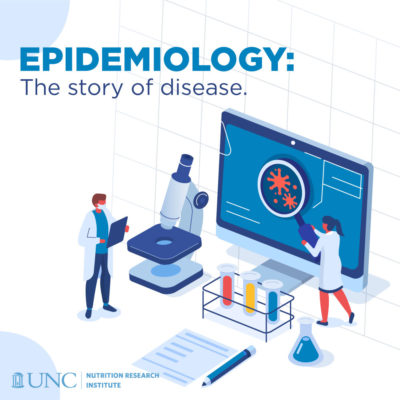
Epidemiology: The story of disease.
Every good story includes the “5 Ws”: who, what, where, when, and why. In studying how disease begins and remains in a population, we’re writing the story of that disease, and we use the same technique. Understanding the various approaches to the “5 Ws” of a given...
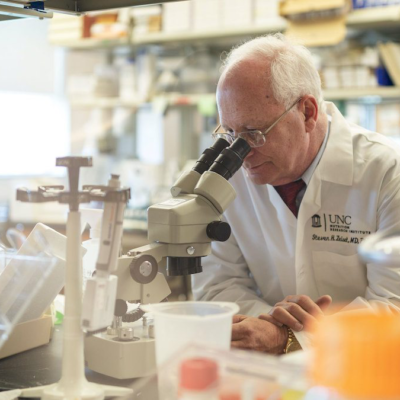
NRI founding director among the nutrition field’s top researchers, clinicians and educators recognized at NUTRITION 2023 in Boston
NRI’s founding director, Steven H. Zeisel, MD, PhD, is among the 2023 Senior Investigator Awards winners named by the American Society for Nutrition (ASN) and the ASN Foundation. The category is one of several Scientific Achievement Awards bestowed annually by ASN....
About the NRI

Deborah F. Tate, PhD
Interim Director
Professor of Nutrition

As a trailblazer in precision nutrition research, the UNC Nutrition Research Institute investigates the intricate interplay between nutrients, lifestyle behaviors, environmental influences, genetic and other biological factors. We’re dedicated to unraveling the mysteries of nutritional diversity among individuals. By leveraging top-tier scientific minds and cutting-edge genetic, metabolic, and digital tools, we’re poised to revolutionize personalized nutrition recommendations and the behavioral support tools needed for realizing healthier futures.
Building upon our legacy as a leader in fundamental and translational science, we’re expanding our reach into human clinical and community trials. I am determined to further this expansion, ensuring that we remain at the forefront of cutting-edge research both in our laboratories and within our communities.
The NRI is forging a path towards a healthier tomorrow for generations to come. Through this website, we aim to keep you informed about our fantastic people, latest developments, participation opportunities, milestones, and community engagements.
Deborah F. Tate, PhD
Core Values
Our Core Values are the shared values to which we commit ourselves for how we conduct our work at the NRI and the way we approach our mission and vision.
Collaboration
We work together to achieve collective and individual goals because we believe that multiple perspectives promote better outcomes.
Innovation
We are innovative and compassionate in our approach to complex issues in precision nutrition.
Cultural Stewardship
We seek to respect the unique qualities of each individual and to foster an environment where open inquiry and expression by all members of this institute are embraced.
Dedication
We are determined to excel in every aspect of our research enterprise.
Integrity
We conduct ourselves with integrity in all our scientific, business and community endeavors.
Research Excellence
We are responsible for conducting publicly and privately funded innovative research with excellence.
We Develop Precision Nutrition
The UNC Nutrition Research Institute is an internationally recognized center that conducts innovative basic and translational science studying how individual differences in requirements and responses to diet affect our individual nutritional needs. We believe that our advances in nutrition science are leading to successes in preventing or mitigating the negative effects of chronic diseases and aging and in improving human development, even prior to conception. → Learn more about Precision Nutrition
UNC-Chapel Hill
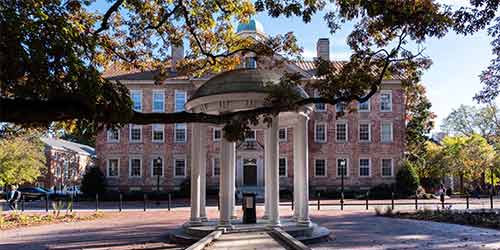
The Nutrition Research Institute is part of the University of North Carolina at Chapel Hill. We’re proud of our Carolina heritage and to represent UNC on the North Carolina Research Campus in Kannapolis.
NC Research Campus
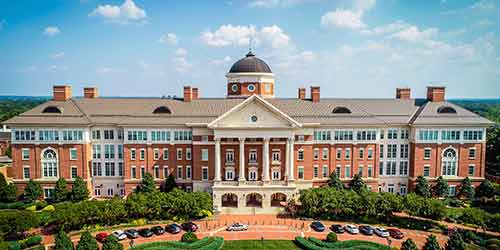
Located in Kannapolis just north of Charlotte, the North Carolina Research Campus brings together eight university research centers along with industry, government, and nonprofit partners to advance human health through nutrition. Together, scientists study precision nutrition and work to develop safer, more nutritious crops and foods.
Kannapolis, NC
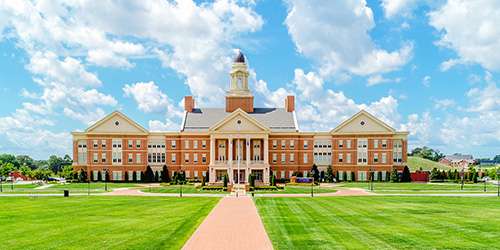
Kannapolis, North Carolina, just north of Charlotte, is a growing city with deep roots in textile history and a strong focus on the future. Home to the North Carolina Research Campus, Kannapolis brings together universities, innovators, and community partners in a walkable downtown setting with parks, local dining, and year-round events.
Where We Are
UNC Nutrition Research Institute
500 Laureate Way
Kannapolis, NC 28081
704-250-5000
UNC Nutrition Research Institute
Research Spotlight
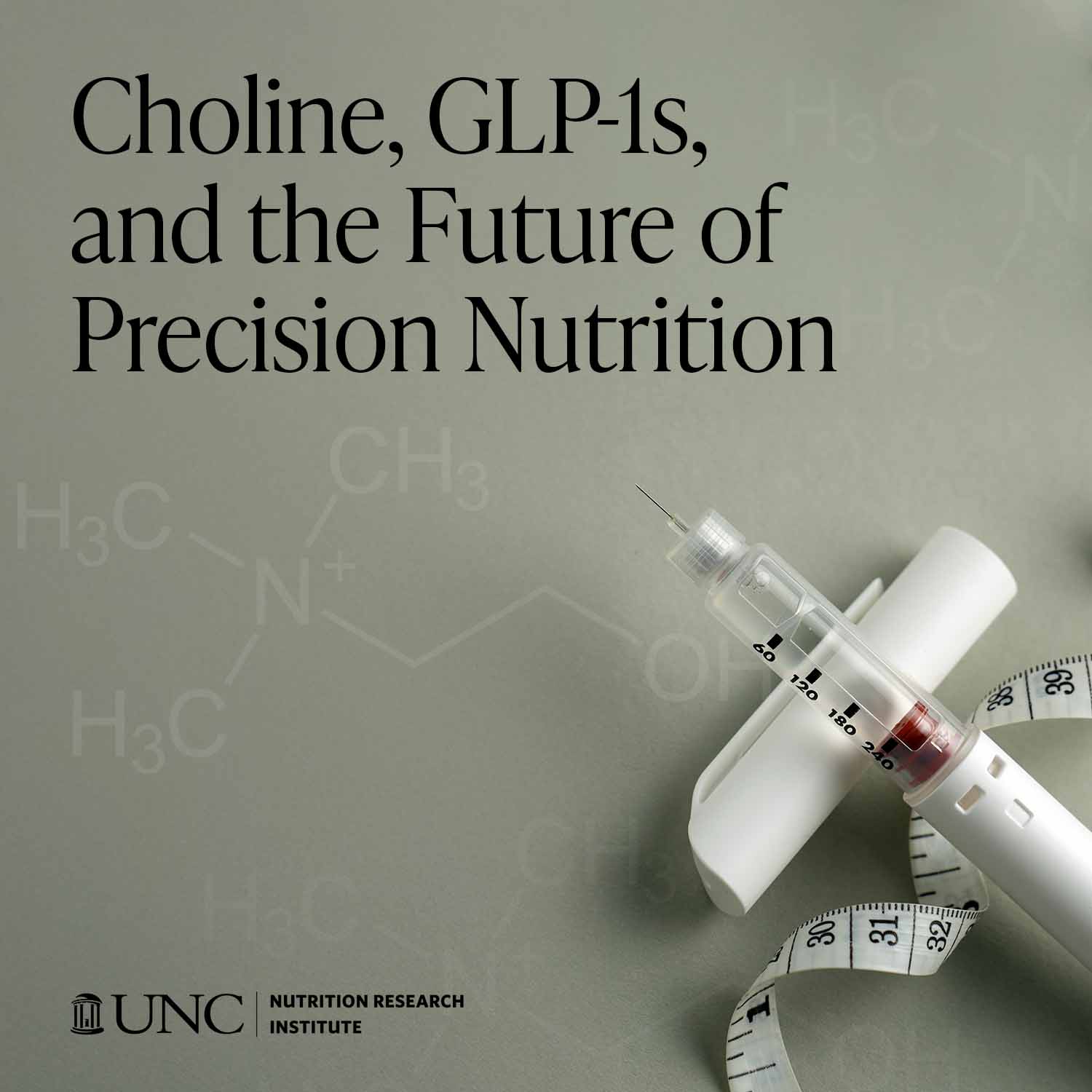
“GLP-1 medications don’t just change your appetite. They also change how your body absorbs and handles nutrients,” noted Evan Paules, PhD, postdoctoral research fellow. “As these medications become more widely used, we need to understand how they might shift nutrient needs, including choline, so we can keep people healthy while they are on them.”
Research that transforms lives.
PUBLICATIONS FROM OUR RESEARCHERS



Precision Nutrition Training and Mentoring
Research Spotlight
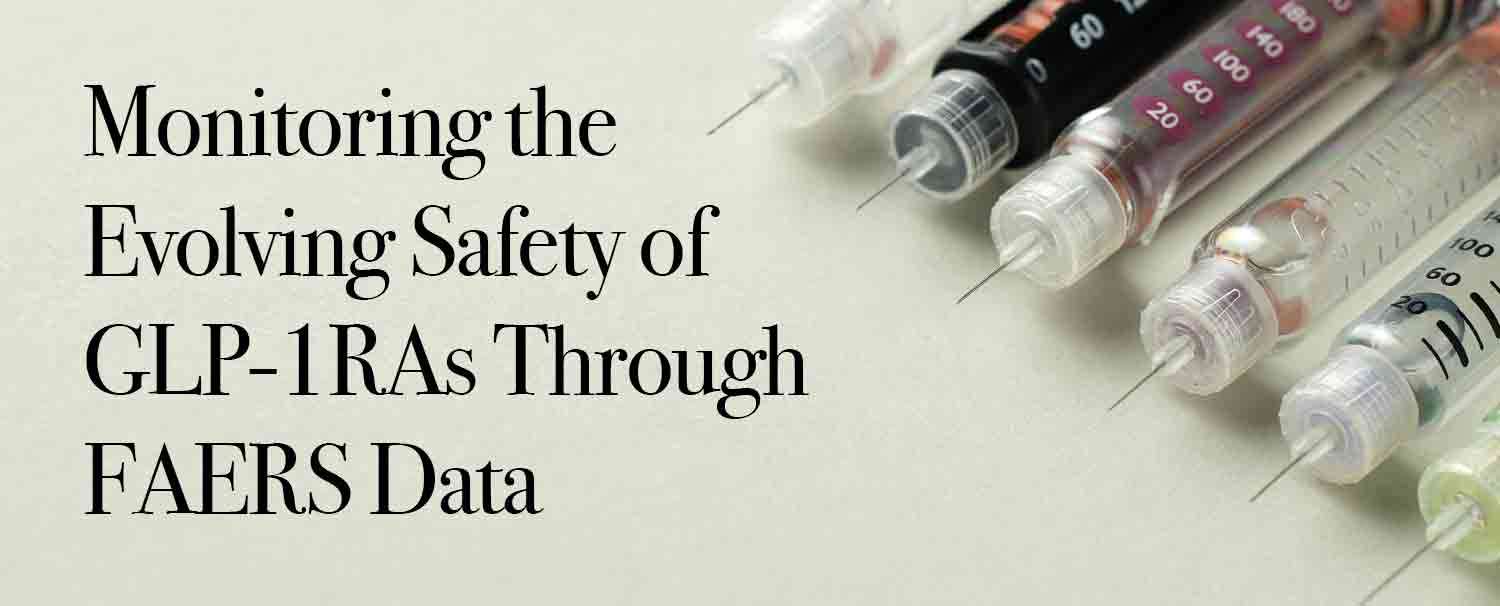
Evaluating the Evolving Real-World Adverse Events of GLP-1RAs Using FDA Adverse Event Reporting System (FAERS)
NRI Contributor: Stephen D. Hursting, PhD, MPH
Obesity remains one of the most urgent public health challenges of our time, contributing to conditions such as type 2 diabetes, cardiovascular disease, and cancer.
GLP-1 receptor agonists have emerged as promising tools for obesity and weight management, offering new opportunities to improve cardiometabolic health. But as their use grows, so does the need to better understand their safety in real-world settings.
Research that transforms lives.
PUBLICATIONS FROM OUR RESEARCHERS
Nutri-epigenetics of Mitochondrial Function and Energy Homeostasis in Obesity
How nutrition-related epigenetic changes may disrupt mitochondrial function and energy homeostasis, helping drive obesity beyond the effects of genetics, diet, and physical activity alone.
Choline, Lipidomics, and MASLD: Insights From the CARDIA Study
Certain blood lipids and choline-related metabolites were linked to fatty liver disease, suggesting they may help explain risk and serve as possible biomarkers.
Holding the Line: Preventing Weight Gain in Emotional Eaters
Weight gain prevention is a critical component of comprehensive obesity care. Emotional eating may contribute to unwanted weight gain, increasing cardiometabolic risk factors among adults with obesity.