
Understanding
Brain Research
THE SCIENCE OF NUTRITION AND BRAIN HEALTH
At the UNC Nutrition Research Institute (NRI), scientists study how the brain's development and function can be optimized for each person, based on their genetic and nutritional background.
From first thoughts to later years.
The science of nutrition and the brain.
UNDERSTANDING THE BASICS
How nutrition connects to brain health
How does food shape a growing brain?
During pregnancy and early life, nutrients help build brain cells and support their communication. NRI researchers study nutrients such as choline to better understand their role in development.
How does diet relate to the aging brain?
Researchers are exploring how the foods we eat may relate to memory and thinking as we get older. The goal is to better understand how nutrition may support brain health throughout life.
Looking for ways to support brain health as you age? Download our handout for older adults with information on Mediterranean and MIND eating patterns, games and puzzles, and staying physically active.
Why do genes matter?
Genetic differences can affect how people process and use nutrients. Studying those differences may help researchers understand why the same diet does not affect everyone in the same way.
What is the gut-brain connection?
The gut and brain communicate in both directions. Scientists are investigating how food and the microbes living in the gut may influence that relationship.
ACROSS THE LIFESPAN
Nutrition and the brain across the lifespan

NRI researchers study how nutrition affects brain health at different stages of life. The institute’s virtual 2021 Precision Nutrition and Brain Health Symposium brought researchers together to explore brain development, aging, nutrigenetics, and the gut-brain axis.
Fetal Development
Humans depend on maternal transfer of fatty acids across the placenta and into milk for optimal brain development. Choline supports fetal brain development, and NRI teams study how prenatal alcohol exposure disrupts brain development.
Infancy and Toddlerhood
As infants and toddlers move through the world, their brains are rapidly developing in response to the environment. NRI scientists conduct studies on human milk nutrients as they relate to cognitive development and use brain imaging techniques as well as standardized behavioral tests to document the underlying brain development.
Childhood
Nutrition and cognition research at the NRI tests memory with specially designed toys and executive function with an electronic maze that taxes planning, working memory, and inhibitory control.
Adulthood
Nutrition helps maintain the hippocampus and frontal brain areas, regions central to memory and decision-making.
Older Adults
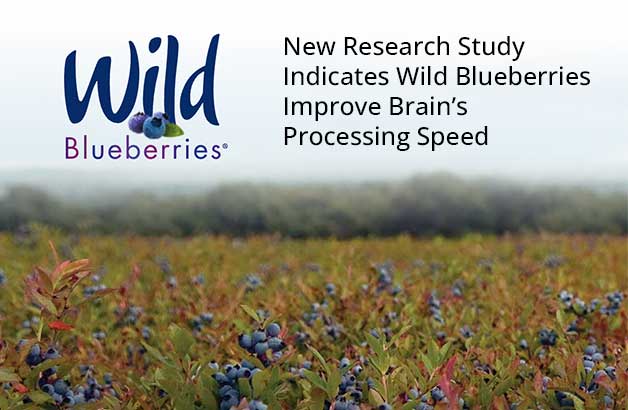
Certain nutrients, combined with healthy lifestyle choices, may slow age-related cognitive decline. NRI scientists are exploring whether the consumption of wild blueberries can reverse or even halt that cognitive decline.
COMMON QUESTIONS
Questions people ask the most
General answers to guide your own conversation with an oncologist, physician, or registered dietitian, not a substitute for one.
01. Can a certain diet prevent dementia?
No diet has been proven to prevent dementia. Researchers are studying whether overall eating patterns may help protect memory and thinking as people age.
Source: National Institute on Aging
02. Why is nutrition important before birth?
The brain begins developing early in pregnancy. Nutrients including choline support brain development, while folic acid helps prevent certain birth defects of the brain and spine.
Source: NIH Office of Dietary Supplements, CDC
03. Does what I eat matter for my brain as an adult?
It may. Researchers are studying how dietary patterns relate to memory and thinking over time. Brain health is also influenced by factors such as physical activity, sleep, and cardiovascular health.
Source: National Institute on Aging
04. Will a “brain health” supplement improve my memory?
The short answer is probably not. Most of the “brain health” supplements on the market have very little data to back up their claims. Most certainly, one cannot expect that a supplement will overcome an otherwise suboptimal lifestyle. Thus, a daily diet that contains all the foods known to be important to brain health will show more results than a supplement, but patience is key. It takes 30-60 days for a lifestyle change in nutrition to show a noticeable effect. Of course, if you do choose to add supplements, always consult your primary care physician first as supplements interact with pharmaceuticals and may render them ineffective.
Looking for ways to support brain health as you age? Download our handout for older adults with information on Mediterranean and MIND eating patterns, games and puzzles, and staying physically active.
Sources:
ConsumerLab.org
Interactions Between Nutritional Supplements and Prescription Medications
05. What does the gut have to do with the brain?
The gut and brain communicate in both directions. Scientists are investigating how diet and gut microbes may affect that communication and what it means for health.
Source: NIH National Center for Complementary and Integrative Health
06. Why might the same nutrient affect people differently?
Genes can influence how the body makes, processes, and uses nutrients. NRI researchers study these differences to better understand individual nutrient needs, including needs for choline.
Sources: NIH Office of Dietary Supplements, NRI
07. What are NRI researchers trying to discover?
NRI researchers investigate how nutrients, genetics, and early-life nutrition influence brain development and long-term health. Their work aims to improve understanding of why nutrient needs differ from person to person.
Source: NRI
MEET THE EXPERTS
NRI Researchers

Carol L. Cheatham, PhD
Associate Professor, Psychology and Neuroscience
Dr. Cheatham's research focuses on how nutrients affect brain development and function across the lifespan using brain imaging and behavioral assessments.

Sandra Mooney, PhD
Associate Professor of Nutrition
Dr. Mooney's research program investigates the effect(s) of environment and genes on brain development, with a focus on life-long effects of prenatal alcohol exposure.

Nipun Saini, PhD
Assistant Professor of Nutrition
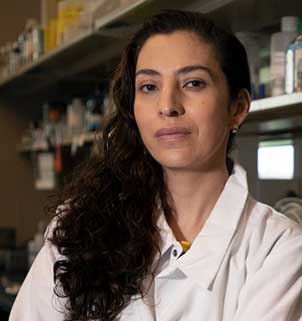
Isis Trujillo-Gonzalez, PhD
Assistant Professor of Nutrition

Susan M. Smith, PhD
Dickson Foundation – Harris Teeter Distinguished Professor of Nutrition
Dr. Smith's research investigates how genes and dietary factors interact to direct fetal outcome in alcohol-exposed pregnancies, and her work uses both animal models and clinical populations.
NRI Articles
Brain research from the NRI
Research news and expert perspectives from the institute.


FURTHER READING
Where to look next

About this guide
This resource provides general information about current research on nutrition, obesity, and cancer. It is not a substitute for personalized medical advice. Consult a qualified healthcare professional before making decisions about cancer screening, prevention, or treatment.
Last reviewed: September 2026
WHY IT MATTERS
Why Precision Nutrition Matters
Everyone responds to food differently. Genetics, metabolism, lifestyle, environment, and the microbiome all influence how nutrients affect our health. Precision nutrition helps researchers move beyond one-size-fits-all advice toward approaches designed around the individual.
Stay Connected to NRI Research
Get the latest research news, expert insights,
and upcoming events delivered to your inbox.