
isis_trujillo@unc.edu
704-250-5041
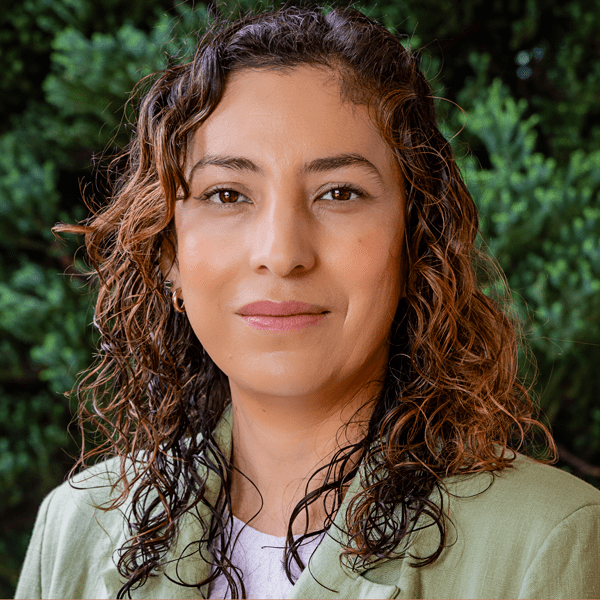
Isis Trujillo-Gonzalez, PhD
Associate Professor of Nutrition
Isis Trujillo-Gonzalez, PhD is a Research Assistant Professor at the University of North Carolina at Chapel Hill’s Nutrition Research Institute (NRI). She joined the NRI in 2015 to conduct her postdoctoral research under Steve Zeisel mentoring. She earned her PhD in Biomedical Sciences from the National Autonomous University of Mexico (UNAM).
Her lab employs molecular and neuroscience methodologies to investigate the impact of choline on brain function and health. A major area of focus is understanding how maternal choline intake affects brain development both in healthy conditions and in the presence of neurodevelopmental disorders. They are also exploring choline’s role in metabolic health and its potential connections to neurodegenerative diseases. Their research ranges from foundational studies in epigenetic regulation to translational projects aimed at clinical applications. Additionally, they are examining how genetic variations influence individual responses to choline intake and their broader systemic effects.
Isis Trujillo-Gonzalez, PhD is a Research Assistant Professor at the University of North Carolina at Chapel Hill’s Nutrition Research Institute (NRI). She joined the NRI in 2015 to conduct her postdoctoral research under Steve Zeisel mentoring. She earned her PhD in Biomedical Sciences from the National Autonomous University of Mexico (UNAM).
Show MoreTrujillo-Gonzalez Lab Team

In the News
VIP 2022: Students Shine in NRI Summer Program
The NRI’s third annual Virtual Internship Program (VIP) concluded on July 7 with 18 high school students from around the country presenting their research on the nutrients of their choice. VIP is a...

The NRI is Growing
The NRI is constantly growing. It takes a diverse team with a wide range of expertise and experience to conduct research in precision nutrition. Our scientists, lab technicians, students, and...
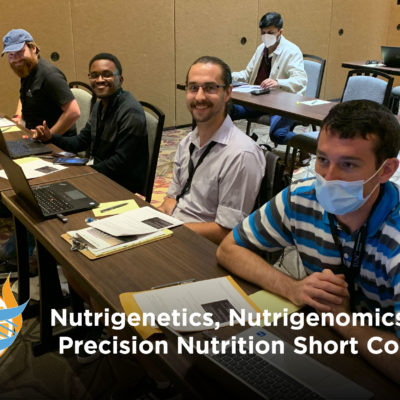
NGx: A short course in Nutrigenetics, Nutrigenomics and Precision Nutrition – Day Two
The NRI presented its annual NGx short course May 16-19, in Concord, NC, for graduate students, health professionals, and nutrition scientists. See recap of Day One. On Day Two of the short course,...
Paving New Paths to Choline
By Olivia Rivera June 15th, 2021 Health UNC Nutrition Research Institute assistant professor Isis Trujillo studies choline, an essential nutrient that is critical for brain development in the womb....