
John.Batsis@unc.edu
919-966-5945
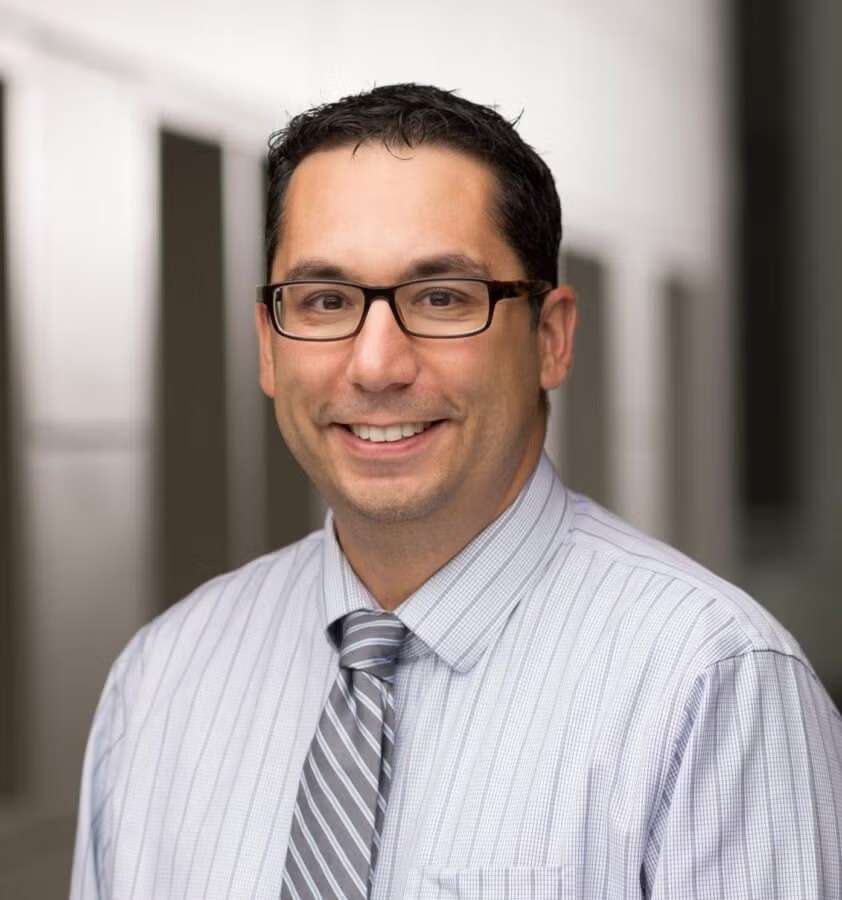
John A. Batsis, MD
CRC Medical Director, Associate Professor of Medicine
Dr. Batsis has dedicated his professional career to caring for older adults through clinical care, research and education. The privilege of helping older adults maximize their physical function and quality of life through patient-centered, compassionate care serves as a daily motivation in his work. His role as a clinician-researcher allows him to apply scientific principles of inquiry to enhance clinical care for an older adult population. Through learning and discovery, he aims to advance healthy aging by improving goal-directed care and healthcare delivery for older adults.
Dr. Batsis’s academic work focuses on three main areas: (a) understanding the relationships between obesity and sarcopenia (loss of muscle mass, strength and/or function with aging) and important outcomes for older adults; (b) developing multicomponent interventions (diet and exercise) to improve physical function in older adults; and (c) using novel technologies (telemedicine, remote monitoring, Internet-of-Things devices) and collaborating with transdisciplinary scientists (engineers and computer scientists) to improve the health and well-being of older adults.
Read: Dr. John Batsis Presents Keynote at AI Technology Center Consensus Guidelines Workshop
Read: Dr. Batsis Presents at American Diabetes Association Annual Meeting
Read: Dr. Batsis talks to Stat about new weight loss drugs
Watch: Dr Batsis – ‘Everyone has their own secret sauce’
Read: Doctors Assess Opportunities Gained, Lost through Medicare’s Annual Wellness Visits
Read: Batsis Discusses Five Common Medications That Can Cause Weight Gain
In the News
Add Healthy, Tasty Twists to Your Holiday Treats and Meals
November 21, 2016 • Holiday meals are one of the joys of the season that inevitably become the bane of each New Year, but it doesn’t have to be that way!
Seasonal delights are often packed with sugar, “bad” fat and holiday memories that make the temptation too much. This season, nutrition experts at the North Carolina Research Campus (NCRC) offer their tips, suggestions, and personal recipe favorites that will help you enjoy your favorite foods without carrying them with you into 2017.
Healthy Cooking for the Holidays: Recipes
November 16, 2016 • Appetite for Life is a series of community programs produced by the NRI brings the latest nutrition science research down to earth in educational and interactive lectures, demonstrations and events. NRI and JWU collaborated to bring the Cooking for Nourishment Demo, Healthy Cooking for the Holidays. See the recipes here.
Mom’s Diet Can Affect Development of Next Two Generations
November 17, 2016 • Nutritional deficiencies during pregnancy can have lasting effects across generations that impact development not only of children, but also of grandchildren. These heritable effects are linked to epigenetic changes that affect gene expression but not DNA sequence. At the NRI, we seek to understand how nutrition affects health and why different people respond differently to the same nutrients.
Nutrition Research Institute Shows Choline is Essential to a Normal Diet
November 1, 2016 • Though it’s present in a variety of foods and an essential part of a person’s diet, many people may not have heard of the nutrient choline.
Researchers from the University of North Carolina at Chapel Hill’s Nutrition Research Institute, located at the NC Research Campus in Kannapolis, have studied the impact that diets lacking in choline could have on everything from liver and muscle tissue to brain development.
Publications
2026
2025
The Relationship Between a Mediterranean Diet and Frailty in Older Adults: NHANES 2007-2017.
Changes in senescence markers after a weight loss intervention in older adults with obesity.
Editorial: Clinical uses and alternative approaches of frailty determination.
Tailoring Obesity Management to Support Physical Function in Older Adults.
Treating Sarcopenic Obesity in the Era of Incretin Therapies: Perspectives and Challenges.
New Drugs and Same Blind Spots-Rethinking Obesity Care in Later Life.