
Microbiome and Nutrition
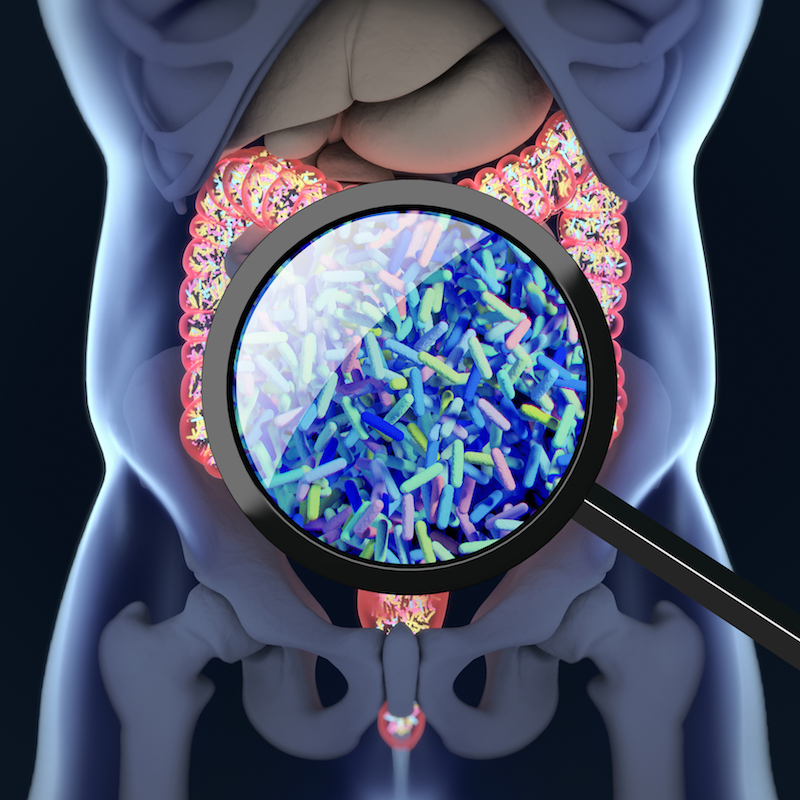
The complex community of bacteria, yeasts and viruses living in our intestines, collectively known as the gut microbiome, is shaped, in part, by what we eat. Genetics, environment, and other factors also influence an individual’s microbial community. Research at the NRI investigates these complex relationships and their impact on disease risk. We use animal models and bioinformatics to study the associations between nutritional metabolites, gut microbiome, and health. What happens in the gut doesn’t stay in the gut. Your microbiome can play a role in cardiovascular disease, obesity and diabetes, and even cancer. Our team envisions a future where analysis of your microbiome can determine disease risk, and medical foods can be prescribed to treat and prevent disease by regulating the microbiome.
Publications
Microbiome and Nutrition Publications
2020
Population studies of TMAO and its precursors may help elucidate mechanisms. Meyer K
2019
Association of dietary patterns with the gut microbiota in older, community-dwelling men. Meyer K
2018
Meta-analysis of human genome-microbiome association studies: the MiBioGen consortium initiative. Meyer K
Human microbiota, blood group antigens, and disease. Sumner S
2017
Trimethylamine N-Oxide, the Microbiome, and Heart and Kidney Disease. Zeisel S
2016
Diet and Gut Microbial Function in Metabolic and Cardiovascular Disease Risk. Meyer K
Antibiotic-mediated gut microbiome perturbation accelerates development of type 1 diabetes in mice. Sumner S
Related News
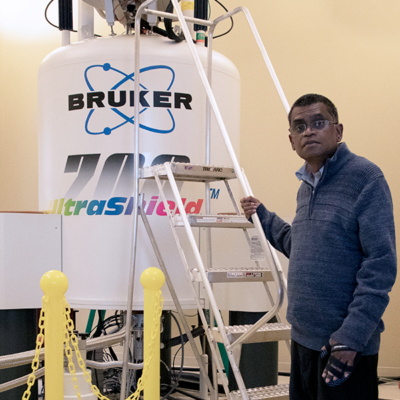
Faculty Focus: Wimal Pathmasiri, PhD
Metabotyping for Better Health For 12 years, Wimal Pathmasiri, PhD, has been conducting metabolomics research to understand the links between exposures, microbial metabolism, and human health. His specific field of study is biomarker identification by metabolic...
All Hands RSVP Form
From Bench to Better Health: Defining Precision Nutrition
We all know it’s best to eat fresh foods. But not everyone has the same dietary requirements. What if you could go to your doctor and get a prescription for the key nutrients you should — and shouldn’t — eat? Pioneering research at the UNC Nutrition Research Institute...
The influence of maternal weight and alcohol exposure on infant physical characteristics and neurodevelopmental outcomes
A new study from NRI scientists, Julie Hasken, PhD, MPH, and Philip May, PhD, published on ScienceDirect in May 2022 examines the influence of maternal weight and alcohol exposure in infant physical characteristics and neurodevelopment outcomes. Dr. Hasken was the...
VIP 2022: Students Shine in NRI Summer Program
The NRI’s third annual Virtual Internship Program (VIP) concluded on July 7 with 18 high school students from around the country presenting their research on the nutrients of their choice. VIP is a virtual summer program that provides high school students interested...

The NRI is Growing
The NRI is constantly growing. It takes a diverse team with a wide range of expertise and experience to conduct research in precision nutrition. Our scientists, lab technicians, students, and administrative staff work together every day to discover how differences in...